
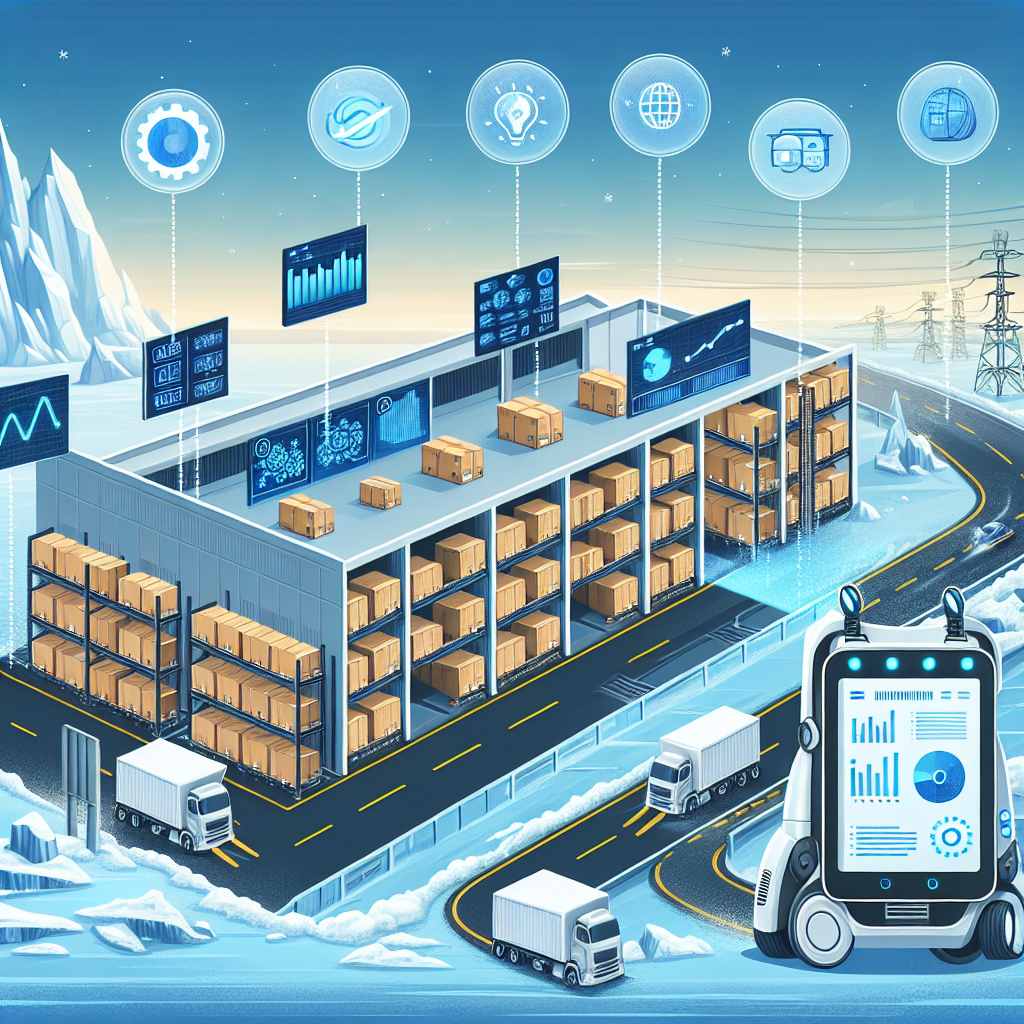
The Benefits of AI in Cold Chain Logistics
In recent years, Artificial Intelligence (AI) has been transforming various industries, and the logistics sector is no exception. The cold chain logistics industry, which involves the transportation and storage of temperature-sensitive goods such as food and pharmaceuticals, has greatly benefited from the integration of AI technology. From reducing costs to improving efficiency and ensuring product quality, AI has revolutionized the way cold chain logistics operates. In this article, we will explore the benefits of AI in cold chain logistics and how it is reshaping the industry.
1. Improved Efficiency
One of the key benefits of AI in cold chain logistics is the improved efficiency it brings to the supply chain. AI-powered systems can optimize route planning, warehouse management, and inventory control, leading to reduced transportation costs, faster delivery times, and better utilization of resources. For example, AI algorithms can analyze historical data to predict demand patterns and optimize inventory levels, ensuring that products are delivered on time and in the right quantities. This not only saves time and money but also enhances customer satisfaction.
2. Enhanced Product Quality and Safety
Maintaining the quality and safety of temperature-sensitive products is crucial in the cold chain logistics industry. AI technology can help monitor and control temperature, humidity, and other environmental factors in real-time, ensuring that products are stored and transported under the optimal conditions. AI-powered sensors and IoT devices can track the location and condition of goods throughout the supply chain, providing real-time visibility and alerts in case of any deviations from the required parameters. This proactive approach helps prevent product spoilage, reduce food waste, and ensure compliance with regulatory standards.
3. Cost Savings
AI can help cold chain logistics companies reduce costs by streamlining operations, improving decision-making, and minimizing wastage. By automating repetitive tasks such as data entry, inventory management, and order processing, AI frees up human resources to focus on more strategic activities. AI algorithms can also analyze complex data sets to identify cost-saving opportunities, such as optimizing delivery routes, reducing fuel consumption, and minimizing inventory holding costs. By leveraging AI technology, cold chain logistics companies can achieve significant cost savings and improve their bottom line.
4. Predictive Maintenance
AI-powered predictive maintenance systems can help cold chain logistics companies proactively identify and address potential equipment failures before they occur. By analyzing data from sensors and equipment monitoring systems, AI algorithms can detect early warning signs of malfunction and schedule maintenance activities accordingly. This proactive approach minimizes downtime, reduces repair costs, and prolongs the lifespan of critical assets. Predictive maintenance systems powered by AI can help cold chain logistics companies improve operational efficiency and ensure the reliability of their equipment.
5. Real-Time Decision-Making
AI technology enables cold chain logistics companies to make faster and more informed decisions based on real-time data. AI algorithms can analyze vast amounts of information from multiple sources, such as temperature sensors, GPS tracking devices, and inventory management systems, to provide actionable insights in real-time. This real-time visibility allows logistics managers to quickly respond to changing conditions, optimize resource allocation, and mitigate risks. By harnessing the power of AI, cold chain logistics companies can make better decisions that drive operational excellence and enhance customer satisfaction.
FAQs
Q: How does AI improve temperature monitoring in cold chain logistics?
A: AI-powered sensors and IoT devices can monitor temperature, humidity, and other environmental factors in real-time, providing accurate and timely data on the condition of temperature-sensitive products. AI algorithms can analyze this data to detect deviations from the required parameters and send alerts to relevant stakeholders, enabling them to take immediate corrective actions to prevent product spoilage.
Q: Can AI help reduce food waste in the cold chain logistics industry?
A: Yes, AI technology can help reduce food waste by optimizing inventory management, improving product traceability, and enhancing quality control measures. By analyzing data on demand patterns, supply chain dynamics, and product shelf life, AI algorithms can help cold chain logistics companies minimize overstocking, prevent product expiration, and ensure that products are delivered to customers in optimal condition.
Q: How does AI enable predictive maintenance in cold chain logistics?
A: AI-powered predictive maintenance systems use machine learning algorithms to analyze data from sensors and monitoring devices to predict equipment failures before they occur. By identifying patterns and anomalies in equipment performance, AI algorithms can schedule maintenance activities proactively, reducing downtime, and extending the lifespan of critical assets in the cold chain logistics industry.
Q: What are the key benefits of AI in cold chain logistics?
A: The key benefits of AI in cold chain logistics include improved efficiency, enhanced product quality and safety, cost savings, predictive maintenance, and real-time decision-making. By leveraging AI technology, cold chain logistics companies can optimize operations, reduce costs, ensure product integrity, and enhance customer satisfaction, ultimately driving business growth and competitive advantage.