
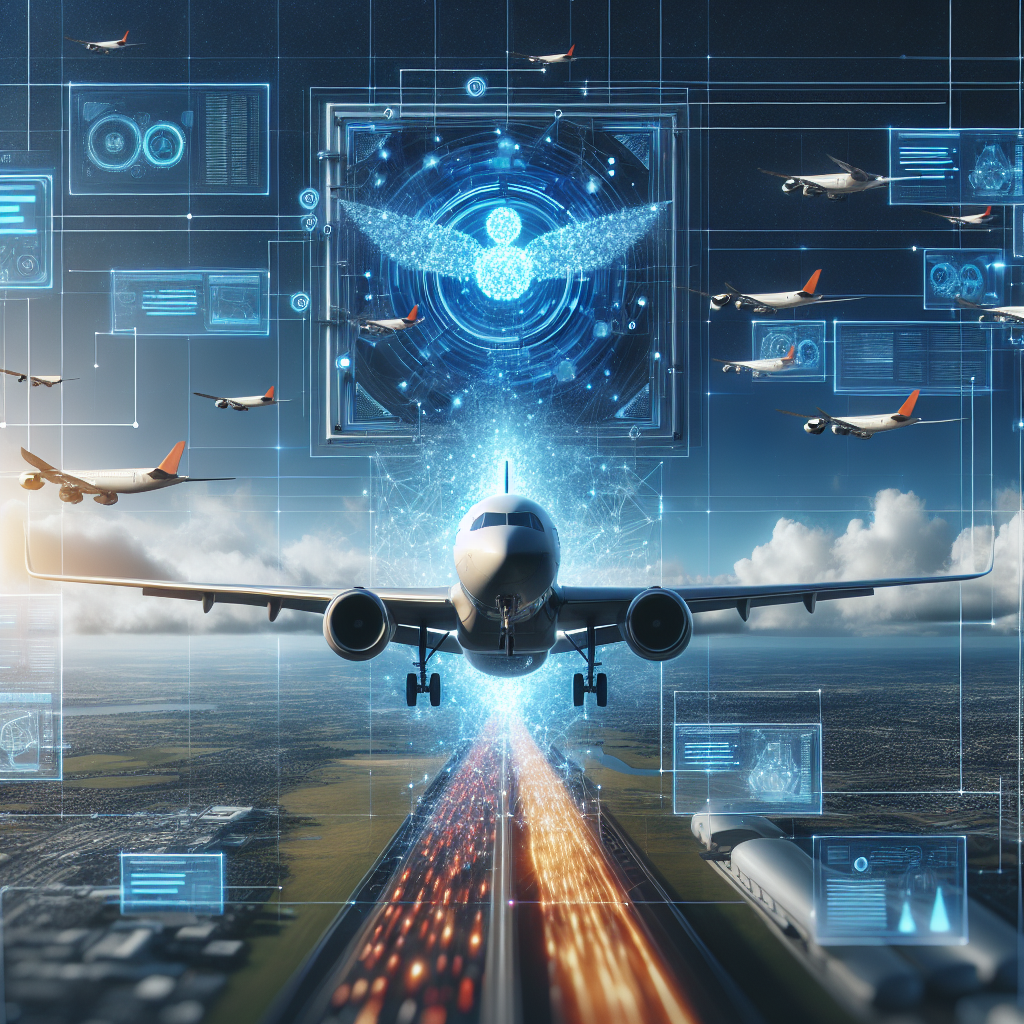
Artificial Intelligence (AI) is rapidly changing the landscape of various industries, and aviation is no exception. The deployment of AI in aviation is revolutionizing the way airlines operate, improve safety, and enhance efficiency. From predictive maintenance to flight route optimization, AI is transforming the aviation industry in ways that were once thought impossible. In this article, we will explore how AI is being deployed in aviation to improve safety and efficiency, as well as address some common questions about this emerging technology.
Improving Safety with AI in Aviation
Safety is paramount in the aviation industry, and AI is playing a crucial role in enhancing safety measures. One of the key areas where AI is being deployed is in predictive maintenance. By analyzing data from sensors and other sources, AI can predict when a part is likely to fail, allowing airlines to proactively replace the part before it causes any issues. This not only helps prevent costly delays and cancellations but also ensures the safety of passengers and crew.
Another way AI is improving safety in aviation is through the use of predictive analytics. By analyzing historical data on weather patterns, flight routes, and other variables, AI can help airlines predict potential safety hazards before they occur. This allows airlines to make informed decisions about flight routes and schedules, ultimately reducing the risk of accidents.
Furthermore, AI is being used to enhance pilot training and decision-making. By analyzing data from flight simulators and other sources, AI can help identify areas where pilots may need additional training or support. This can help reduce human error and improve overall safety in the aviation industry.
Enhancing Efficiency with AI in Aviation
In addition to improving safety, AI is also enhancing efficiency in the aviation industry. One of the key ways AI is improving efficiency is through flight route optimization. By analyzing data on weather patterns, air traffic, and other variables, AI can help airlines optimize flight routes to reduce fuel consumption and emissions. This not only helps airlines save money but also reduces their environmental impact.
AI is also being used to optimize crew scheduling and maintenance planning. By analyzing data on crew availability, flight schedules, and maintenance needs, AI can help airlines create more efficient schedules that minimize downtime and maximize productivity. This can help airlines reduce costs and improve overall efficiency.
Furthermore, AI is being used to improve customer service in the aviation industry. By analyzing data on customer preferences and behavior, AI can help airlines personalize the customer experience and provide more tailored services. This can help airlines attract and retain customers, ultimately improving their bottom line.
Common Questions about AI Deployment in Aviation
1. How is AI being used in air traffic control?
AI is being used in air traffic control to help optimize flight routes, reduce congestion, and improve safety. By analyzing data on air traffic patterns, weather conditions, and other variables, AI can help air traffic controllers make more informed decisions about flight paths and schedules. This can help reduce delays and improve overall efficiency in the aviation industry.
2. Is AI replacing human pilots in the aviation industry?
While AI is being used to enhance pilot training and decision-making, it is not replacing human pilots in the aviation industry. Pilots play a crucial role in ensuring the safety of flights, and AI is being used to support their efforts rather than replace them. AI can help reduce human error and improve safety, but human pilots will continue to be an essential part of the aviation industry.
3. How is AI improving predictive maintenance in aviation?
AI is improving predictive maintenance in aviation by analyzing data from sensors and other sources to predict when a part is likely to fail. By identifying potential issues before they occur, airlines can proactively replace parts and prevent costly delays and cancellations. This not only improves safety but also helps airlines save money and improve efficiency.
4. What are the potential risks of deploying AI in aviation?
While AI offers many benefits to the aviation industry, there are also potential risks to consider. One risk is the possibility of AI making incorrect decisions based on faulty data or algorithms. This could potentially lead to safety issues or other problems. Additionally, there are concerns about the privacy and security of data collected by AI systems in aviation. It is important for airlines to carefully consider these risks and take steps to mitigate them when deploying AI in aviation.
In conclusion, AI deployment in aviation is revolutionizing the industry by improving safety and efficiency. From predictive maintenance to flight route optimization, AI is helping airlines operate more effectively and provide a better experience for passengers. While there are risks to consider, the benefits of AI in aviation are clear. As technology continues to advance, we can expect to see even more innovations in the aviation industry thanks to AI.