
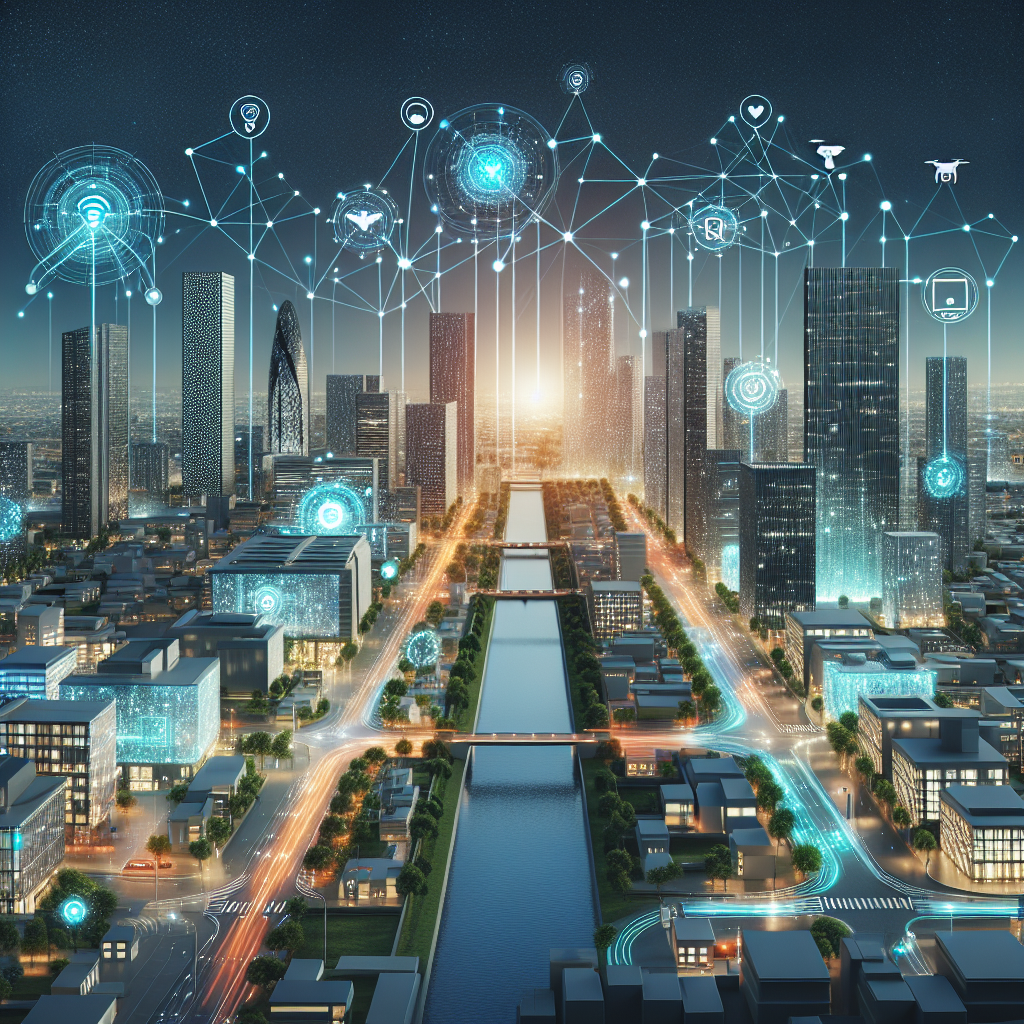
AI-Driven Innovations in Urban Design
Urban design is constantly evolving to meet the needs of growing cities and populations. With the rise of artificial intelligence (AI), new opportunities for innovation in urban design have emerged. AI-driven technologies are being used to streamline processes, improve efficiency, and create more sustainable and livable cities. In this article, we will explore some of the ways AI is revolutionizing urban design and the potential impact it could have on our cities.
AI in Urban Planning and Design
AI is being used in urban planning and design to analyze data, predict trends, and optimize processes. One of the key benefits of AI in urban design is its ability to process large amounts of data quickly and accurately. This can help designers and planners make more informed decisions about how to design and develop cities.
For example, AI can analyze data on traffic patterns, population growth, and environmental factors to help designers create more efficient transportation systems. AI can also be used to optimize building designs for energy efficiency, reduce waste, and create more sustainable urban environments.
AI is also being used to create more inclusive and accessible cities. By analyzing data on demographics, accessibility, and social equity, AI can help designers create spaces that are accessible to all residents. This can include designing parks and public spaces that are accessible to people with disabilities, creating affordable housing solutions, and improving transportation options for underserved communities.
AI in Smart Cities
AI is a key component of smart city initiatives, which aim to use technology to improve the quality of life for residents and make cities more efficient and sustainable. AI-driven technologies such as sensors, cameras, and data analytics are being used to collect and analyze data on everything from traffic patterns to air quality.
This data can then be used to optimize city services, improve public safety, and reduce energy consumption. For example, AI can be used to analyze traffic data in real-time and adjust traffic signals to reduce congestion. AI can also be used to monitor air quality and alert residents to potential health risks.
In addition to improving efficiency and sustainability, AI is also being used to create more personalized and responsive city services. For example, AI-powered chatbots can provide residents with information on city services, help them navigate public transportation, and even provide personalized recommendations for events and activities in their area.
Challenges and Considerations
While AI has the potential to revolutionize urban design, there are also challenges and considerations that need to be addressed. One of the key challenges is ensuring that AI is used ethically and responsibly. There are concerns about privacy, data security, and bias in AI algorithms that need to be carefully considered.
Another challenge is ensuring that AI is accessible to all residents. There are concerns about digital divides and disparities in access to technology that need to be addressed to ensure that all residents can benefit from AI-driven innovations in urban design.
Finally, there are concerns about the impact of AI on jobs and the workforce. As AI becomes more prevalent in urban design, there are concerns about the potential displacement of workers and the need for retraining and reskilling programs to ensure that workers can adapt to the changing landscape of urban design.
FAQs
Q: How is AI being used in urban design?
A: AI is being used in urban design to analyze data, predict trends, and optimize processes. It can help designers and planners make more informed decisions about how to design and develop cities, create more efficient transportation systems, optimize building designs for energy efficiency, and create more inclusive and accessible cities.
Q: What are some examples of AI-driven innovations in urban design?
A: Some examples of AI-driven innovations in urban design include using AI to analyze traffic patterns and optimize transportation systems, using AI to create more sustainable building designs, using AI to create more inclusive and accessible cities, and using AI to optimize city services and improve public safety.
Q: What are some of the challenges of using AI in urban design?
A: Some of the challenges of using AI in urban design include ensuring that AI is used ethically and responsibly, addressing concerns about privacy, data security, and bias in AI algorithms, ensuring that AI is accessible to all residents, and addressing concerns about the impact of AI on jobs and the workforce.