
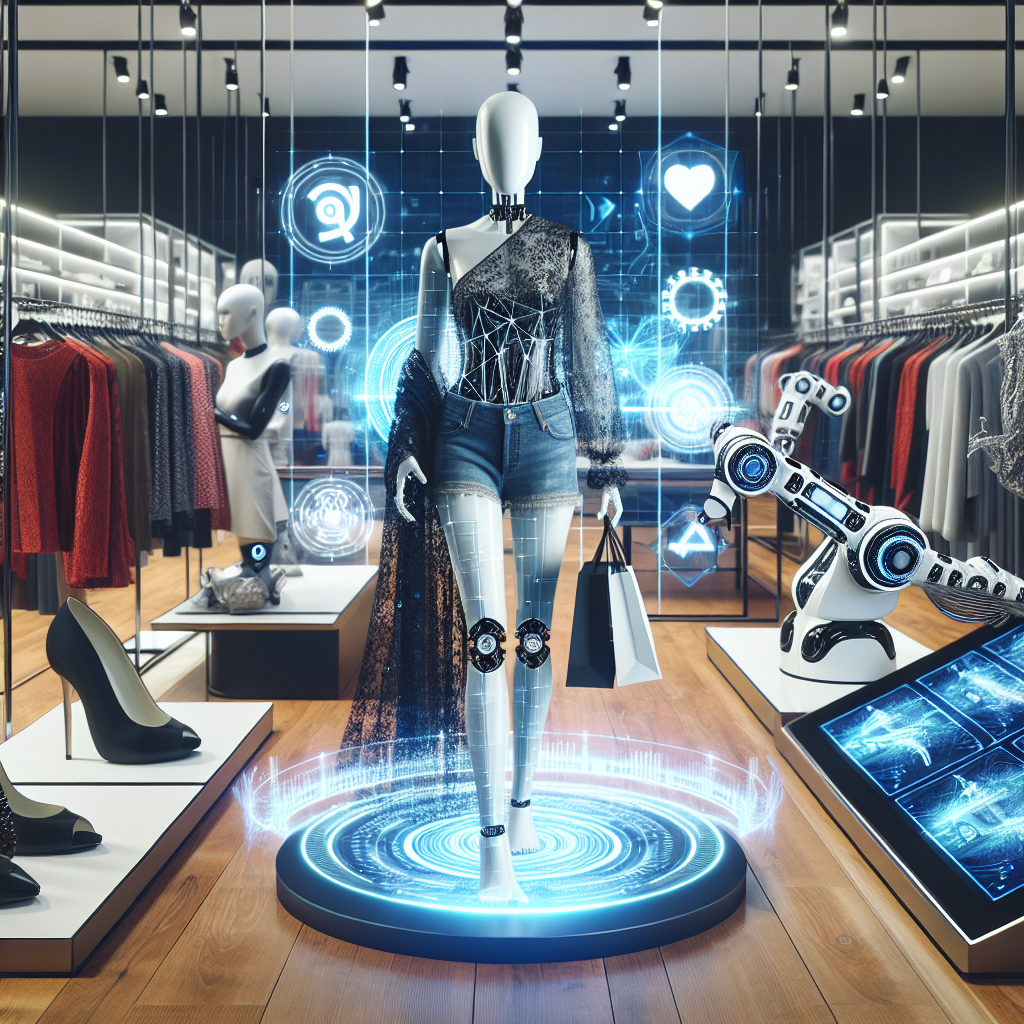
The Impact of AI on Fashion Retail: What’s Next for the Industry
Artificial Intelligence (AI) has been making waves in various industries, and the fashion retail sector is no exception. From personalized shopping experiences to improved inventory management, AI is revolutionizing the way fashion brands operate and engage with their customers. In this article, we will explore the impact of AI on fashion retail and discuss what’s next for the industry.
AI in Fashion Retail: Current Applications
AI technologies have already begun to transform the fashion retail sector in several ways. Some of the key applications of AI in the industry include:
1. Personalized Shopping Experiences: AI-powered algorithms analyze customer data, including browsing history, purchase behavior, and social media interactions, to provide personalized recommendations to shoppers. This not only enhances the shopping experience but also increases customer engagement and loyalty.
2. Visual Search: AI-powered visual search tools allow customers to search for products using images rather than text. This technology enables shoppers to find similar items to those they like, making the shopping process more efficient and convenient.
3. Inventory Management: AI algorithms can predict demand for specific products based on historical sales data, weather patterns, and other factors. This helps retailers optimize their inventory levels, reduce overstocking, and minimize stockouts.
4. Virtual Try-On: AI-powered virtual try-on tools enable customers to see how clothing items will look on them before making a purchase. This technology reduces the likelihood of returns and enhances the online shopping experience.
5. Chatbots: AI-powered chatbots provide customers with instant support and assistance, helping them find products, track orders, and resolve issues. Chatbots can handle a wide range of inquiries, freeing up human customer service agents to focus on more complex tasks.
The Future of AI in Fashion Retail
As AI technologies continue to advance, the impact on the fashion retail industry is expected to grow even further. Some of the key trends and developments to watch out for in the coming years include:
1. Enhanced Personalization: AI-powered algorithms will become even more sophisticated in analyzing customer data and predicting preferences. This will enable fashion retailers to offer hyper-personalized shopping experiences tailored to each individual customer.
2. Augmented Reality (AR) and Virtual Reality (VR): AR and VR technologies are poised to revolutionize the way customers interact with fashion products. Virtual fitting rooms, immersive shopping experiences, and interactive product displays will become more common, blurring the lines between online and offline shopping.
3. Sustainable Fashion: AI can help fashion retailers optimize their supply chains, reduce waste, and minimize environmental impact. By analyzing data on sourcing, production, and distribution, AI algorithms can help brands make more sustainable decisions and meet the growing demand for eco-friendly fashion.
4. Predictive Analytics: AI-powered predictive analytics will enable fashion retailers to forecast trends, anticipate customer preferences, and optimize pricing strategies. By leveraging real-time data and machine learning algorithms, brands can stay ahead of the competition and adapt quickly to changing market conditions.
5. Voice Commerce: Voice-controlled shopping assistants, such as Amazon’s Alexa and Google Assistant, are becoming increasingly popular. AI-powered voice commerce tools will enable customers to shop for fashion products using natural language commands, making the shopping process more seamless and intuitive.
FAQs
1. How can AI help fashion retailers improve customer engagement?
AI technologies, such as personalized recommendations, visual search, and chatbots, can enhance customer engagement by providing personalized experiences, simplifying the shopping process, and offering instant assistance and support.
2. What are some of the challenges of implementing AI in fashion retail?
Some of the challenges of implementing AI in fashion retail include data privacy concerns, integration with existing systems, and resistance to change from employees. It is important for fashion retailers to address these challenges proactively and invest in training and education to ensure a successful AI implementation.
3. How can AI help fashion retailers optimize their inventory management?
AI algorithms can analyze historical sales data, market trends, and other factors to predict demand for specific products and optimize inventory levels. This helps retailers reduce overstocking, minimize stockouts, and improve overall inventory management efficiency.
4. What are some of the ethical considerations of using AI in fashion retail?
Ethical considerations of using AI in fashion retail include data privacy, bias in algorithms, and the impact on jobs and employment. It is important for fashion retailers to prioritize ethical AI practices, transparent decision-making processes, and responsible use of customer data.
5. How can fashion retailers leverage AI to drive sustainability?
AI can help fashion retailers optimize their supply chains, reduce waste, and minimize environmental impact by analyzing data on sourcing, production, and distribution. By making more sustainable decisions, brands can meet the growing demand for eco-friendly fashion and contribute to a more sustainable future.
In conclusion, AI is poised to revolutionize the fashion retail industry in the coming years, with applications ranging from personalized shopping experiences to sustainable fashion practices. By leveraging AI technologies effectively, fashion retailers can enhance customer engagement, optimize inventory management, drive sustainability, and stay ahead of the competition in a rapidly evolving marketplace. The future of fashion retail is AI-powered, and brands that embrace this technology will be well-positioned to thrive in the digital age.