
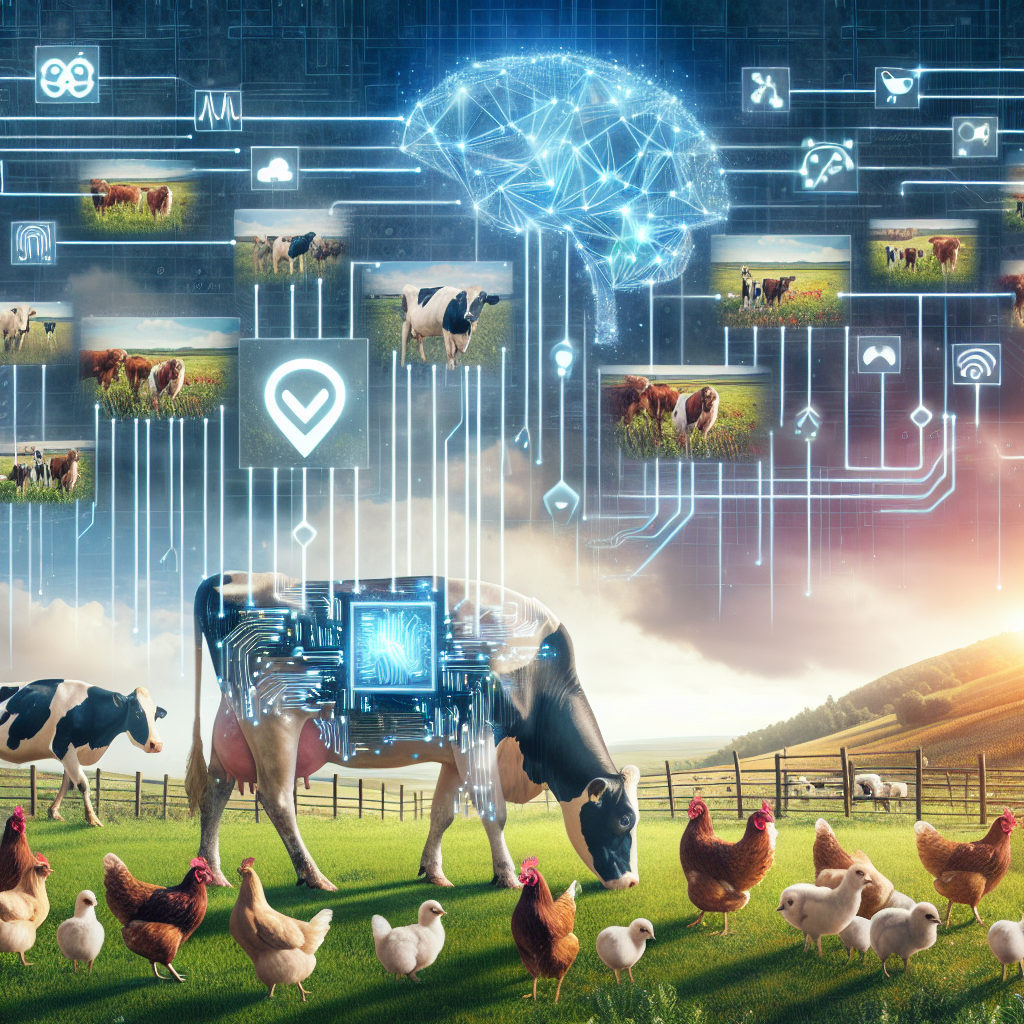
Livestock welfare is a critical aspect of animal agriculture, as the well-being of animals not only impacts their quality of life but also the quality of the products they provide. In recent years, there has been a growing interest in using artificial intelligence (AI) to enhance livestock welfare by monitoring, analyzing, and improving the conditions in which animals are raised. AI-driven solutions offer a range of benefits for both farmers and animals, from early detection of health issues to optimizing feeding and breeding practices. In this article, we will explore the various ways in which AI is being used to enhance livestock welfare and improve the overall sustainability of animal agriculture.
Monitoring and Surveillance
One of the key applications of AI in livestock welfare is monitoring and surveillance. By using sensors and cameras, AI systems can continuously monitor the health and behavior of animals in real-time. These systems can detect signs of distress, illness, or injury, allowing farmers to intervene quickly and provide the necessary care. For example, AI-powered cameras can analyze the behavior of pigs and detect signs of lameness, which is a common issue in pig farming. By identifying lameness early on, farmers can take steps to address the problem and prevent further complications.
AI systems can also monitor environmental conditions in livestock facilities, such as temperature, humidity, and air quality. By analyzing this data, farmers can make adjustments to improve the overall comfort and well-being of their animals. For example, AI can help optimize ventilation systems to ensure proper air circulation and reduce the risk of respiratory issues in livestock.
Disease Detection and Prevention
AI has the potential to revolutionize disease detection and prevention in livestock farming. By analyzing data from sensors, cameras, and other sources, AI systems can identify patterns and trends that indicate the presence of diseases or health issues in animals. This early detection is crucial for preventing the spread of diseases and minimizing the impact on animal welfare.
For example, AI-powered systems can analyze the vocalizations of pigs to detect signs of respiratory infections, which are common in intensive pig farming. By monitoring changes in the pigs’ vocal patterns, farmers can identify sick animals and isolate them from the rest of the herd to prevent the spread of the infection.
AI can also help farmers optimize their vaccination and treatment strategies by analyzing data on disease prevalence, environmental conditions, and animal health status. By using this information to tailor their interventions, farmers can reduce the incidence of diseases and improve the overall health and welfare of their livestock.
Feeding and Nutrition
AI-driven solutions can also be used to optimize feeding and nutrition practices in livestock farming. By analyzing data on the nutritional needs of animals, as well as the quality and availability of feed resources, AI systems can help farmers develop personalized feeding plans that meet the specific requirements of each animal.
For example, AI can analyze the body condition score of dairy cows and adjust their feed rations accordingly to ensure optimal milk production and overall health. By monitoring the cows’ weight, body condition, and milk production, AI systems can recommend changes to the feeding regimen to maximize efficiency and minimize waste.
AI can also help farmers reduce the environmental impact of livestock farming by optimizing feed composition and reducing food waste. By analyzing data on feed ingredients, nutritional content, and animal metabolism, AI systems can develop feed formulations that are more efficient and sustainable, reducing the need for antibiotics and other additives.
Breeding and Genetics
AI is also being used to improve breeding and genetics in livestock farming. By analyzing genetic data and performance records, AI systems can identify animals with desirable traits and recommend breeding strategies to enhance the overall quality of the herd. This can lead to improved productivity, disease resistance, and overall welfare of the animals.
For example, AI can analyze the genetic profiles of pigs and identify individuals with superior growth rates, feed efficiency, and disease resistance. By selectively breeding these animals, farmers can improve the genetic diversity and resilience of their herd, leading to healthier and more productive animals.
AI can also help farmers implement precision breeding programs that target specific traits, such as meat quality, milk production, or reproductive performance. By using AI to analyze genetic data and predict the outcomes of different breeding strategies, farmers can make informed decisions that maximize the genetic potential of their animals and improve overall welfare.
FAQs
Q: How does AI help improve livestock welfare?
A: AI helps improve livestock welfare by monitoring and analyzing the health, behavior, and environmental conditions of animals in real-time. By detecting signs of distress, illness, or injury early on, AI systems can help farmers intervene quickly and provide the necessary care. AI can also optimize feeding and nutrition practices, disease detection and prevention, breeding and genetics, and overall management of livestock facilities to enhance the well-being of the animals.
Q: What are some examples of AI-driven solutions for enhancing livestock welfare?
A: Some examples of AI-driven solutions for enhancing livestock welfare include monitoring systems that analyze the behavior of animals to detect signs of distress or illness, disease detection systems that use data from sensors and cameras to identify patterns and trends indicating the presence of diseases, feeding and nutrition optimization tools that develop personalized feeding plans for animals based on their specific needs, and breeding and genetics programs that use genetic data to improve the overall quality of the herd.
Q: How can AI help reduce the environmental impact of livestock farming?
A: AI can help reduce the environmental impact of livestock farming by optimizing feed composition, reducing food waste, and improving the efficiency of feed production. By analyzing data on feed ingredients, nutritional content, and animal metabolism, AI systems can develop feed formulations that are more sustainable and efficient, reducing the need for antibiotics and other additives. AI can also help farmers implement precision breeding programs that target specific traits, such as disease resistance or feed efficiency, to reduce the environmental footprint of livestock farming.
In conclusion, AI-driven solutions have the potential to revolutionize livestock welfare by monitoring and analyzing the health, behavior, and environmental conditions of animals, optimizing feeding and nutrition practices, detecting and preventing diseases, improving breeding and genetics, and reducing the environmental impact of livestock farming. By leveraging the power of AI, farmers can enhance the well-being of their animals, improve the efficiency and sustainability of their operations, and ultimately create a more ethical and resilient food system.