
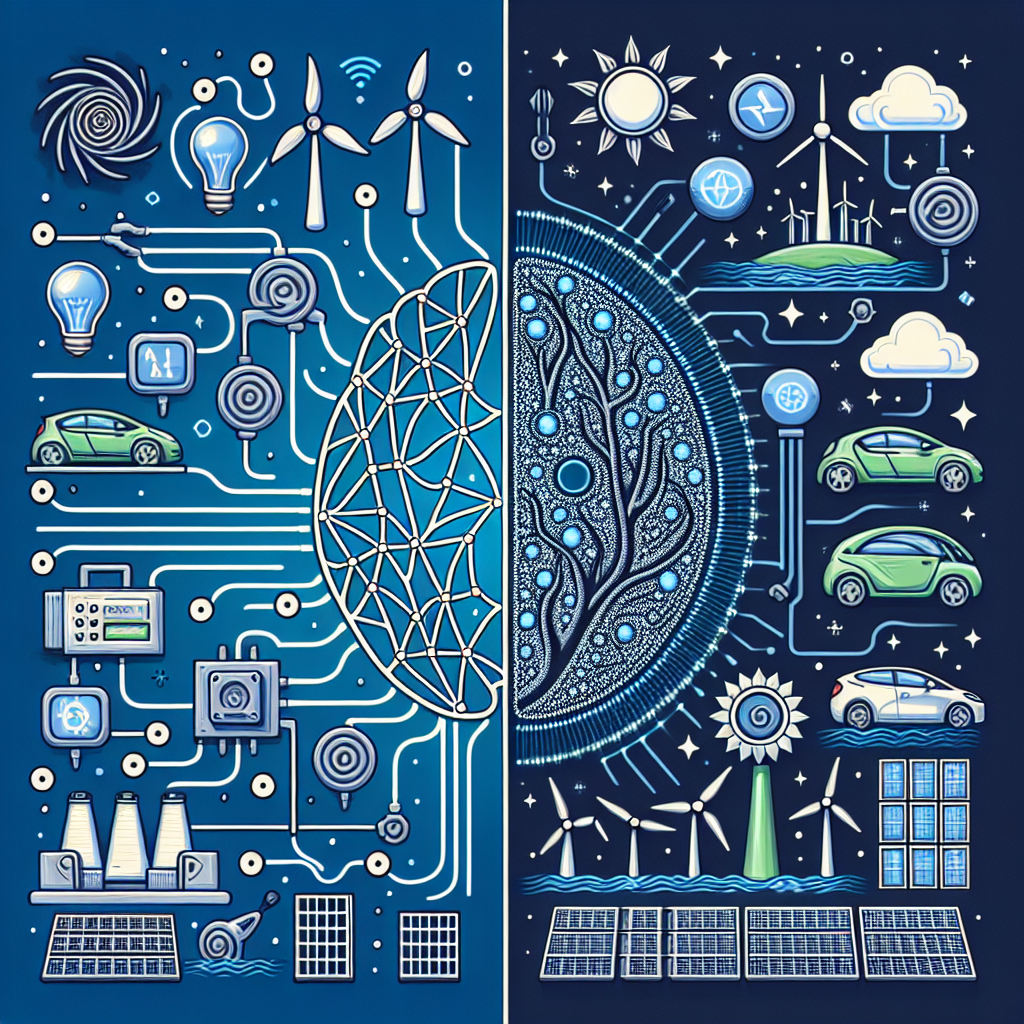
Enhancing Renewable Energy Market Agility with AI
The renewable energy market is rapidly growing as governments and organizations around the world are increasingly prioritizing the transition to cleaner and more sustainable sources of energy. However, this transition comes with its own set of challenges, including the need for greater agility and flexibility in the market. This is where artificial intelligence (AI) can play a crucial role in enhancing the renewable energy market’s agility and enabling a smoother transition to a sustainable energy future.
AI technologies have the potential to revolutionize the renewable energy sector by providing real-time insights, optimizing energy production and consumption, and improving overall market efficiency. In this article, we will explore how AI can enhance renewable energy market agility and discuss the benefits of integrating AI technologies into the renewable energy sector.
Real-Time Insights
One of the key benefits of AI in the renewable energy market is its ability to provide real-time insights and analysis. AI algorithms can process vast amounts of data from various sources, such as weather forecasts, energy production data, and market prices, to generate valuable insights that can help energy producers and consumers make more informed decisions.
For example, AI algorithms can analyze weather data to predict wind and solar energy production, enabling energy producers to optimize their energy generation schedules and maximize output. This real-time analysis can also help energy consumers better manage their energy consumption and reduce costs by adjusting their usage based on market conditions.
Optimizing Energy Production and Consumption
AI technologies can also optimize energy production and consumption in the renewable energy market. AI algorithms can analyze data from energy production facilities, grid infrastructure, and energy consumption patterns to identify opportunities for optimization and efficiency improvements.
For instance, AI can optimize the scheduling of energy production to match peak demand periods, reducing the need for costly energy storage solutions and minimizing waste. AI can also help energy consumers better manage their energy usage by providing personalized recommendations for reducing consumption during peak hours or shifting usage to times when renewable energy production is highest.
Improving Market Efficiency
AI technologies can improve overall market efficiency in the renewable energy sector by enabling better forecasting, pricing, and trading strategies. AI algorithms can analyze market data and trends to predict future energy prices, identify potential market fluctuations, and optimize trading strategies for energy producers and consumers.
By leveraging AI technologies, energy market participants can make more informed decisions, reduce risks, and maximize profits in the increasingly complex and volatile renewable energy market. AI can also help facilitate the integration of renewable energy sources into existing energy grids by providing real-time monitoring and control capabilities to balance supply and demand.
Benefits of AI in the Renewable Energy Market
There are several key benefits of integrating AI technologies into the renewable energy market, including:
1. Increased Efficiency: AI can optimize energy production and consumption, reduce waste, and improve overall market efficiency.
2. Enhanced Flexibility: AI can provide real-time insights and analysis to enable better decision-making and flexibility in the renewable energy market.
3. Improved Forecasting: AI algorithms can improve forecasting accuracy for energy production and consumption, enabling better planning and resource allocation.
4. Lower Costs: By optimizing energy production and consumption, AI can help reduce costs for energy producers and consumers in the renewable energy market.
5. Environmental Benefits: AI can help reduce greenhouse gas emissions and promote the transition to cleaner and more sustainable sources of energy in the renewable energy market.
FAQs
Q: How can AI technologies improve energy production in the renewable energy market?
A: AI technologies can improve energy production in the renewable energy market by optimizing scheduling, predicting energy production, and identifying opportunities for efficiency improvements.
Q: What are some examples of AI applications in the renewable energy sector?
A: Some examples of AI applications in the renewable energy sector include predictive maintenance for wind turbines, energy demand forecasting, grid optimization, and energy trading strategies.
Q: How can AI technologies help reduce costs for energy producers and consumers in the renewable energy market?
A: AI technologies can help reduce costs for energy producers and consumers in the renewable energy market by optimizing energy production and consumption, improving market efficiency, and providing real-time insights and analysis.
Q: What are the environmental benefits of integrating AI technologies into the renewable energy market?
A: By promoting the transition to cleaner and more sustainable sources of energy, AI technologies can help reduce greenhouse gas emissions, mitigate climate change, and promote a more environmentally friendly energy market.
In conclusion, AI technologies have the potential to revolutionize the renewable energy market by enhancing agility, flexibility, and efficiency. By providing real-time insights, optimizing energy production and consumption, and improving market efficiency, AI can help accelerate the transition to a sustainable energy future. As governments and organizations continue to prioritize renewable energy sources, integrating AI technologies into the renewable energy sector will be crucial in achieving a more sustainable and environmentally friendly energy market.