
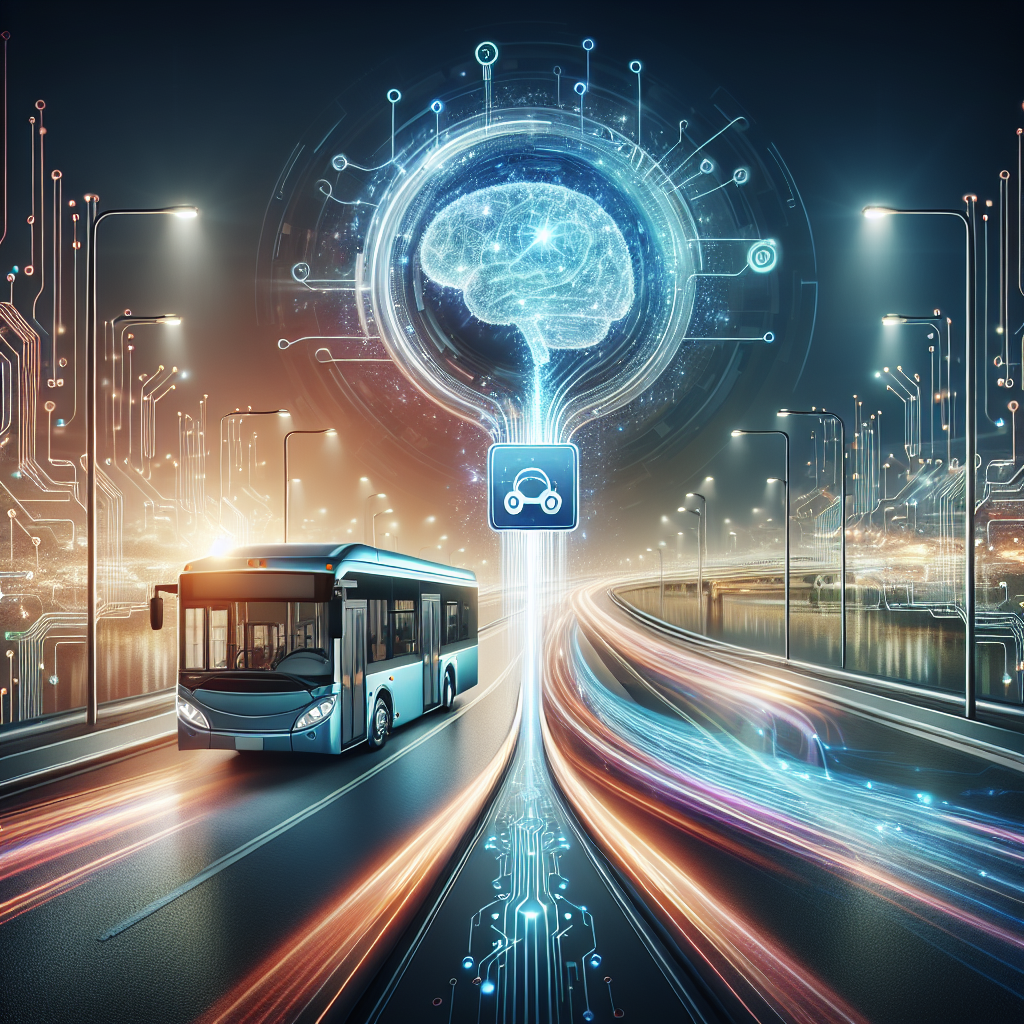
Public transportation is a critical component of modern urban infrastructure, providing millions of people with a convenient and cost-effective way to travel within cities. However, traditional public transportation systems often face challenges such as congestion, delays, and inefficiencies. In recent years, advances in artificial intelligence (AI) have opened up new possibilities for transforming public transportation and addressing these challenges.
AI technologies, such as machine learning and data analytics, have the potential to revolutionize public transportation systems by optimizing operations, improving passenger experience, and reducing environmental impact. From predictive maintenance of vehicles to real-time route optimization, AI can help make public transportation more efficient, reliable, and sustainable.
Optimizing Operations
One of the key benefits of AI in public transportation is its ability to optimize operations and improve efficiency. By analyzing vast amounts of data in real-time, AI systems can identify patterns, predict demand, and optimize routes and schedules to minimize congestion and delays.
For example, AI-powered predictive maintenance systems can analyze data from sensors on buses and trains to identify potential issues before they occur, allowing transportation agencies to schedule maintenance proactively and avoid breakdowns. This not only reduces downtime and improves reliability but also extends the lifespan of vehicles, saving money in the long run.
AI can also help optimize route planning by analyzing historical data on passenger demand, traffic patterns, and weather conditions to determine the most efficient routes and schedules. By adjusting routes in real-time based on current conditions, transportation agencies can reduce wait times, overcrowding, and congestion, leading to a more pleasant experience for passengers.
Improving Passenger Experience
AI technologies can also enhance the passenger experience by providing real-time information, personalized recommendations, and seamless payment options. For example, AI-powered chatbots and mobile apps can provide passengers with up-to-date information on bus and train schedules, delays, and alternative routes, helping them plan their journeys more efficiently.
AI can also offer personalized recommendations to passengers based on their preferences, such as suggesting the fastest route or the least crowded train car. By analyzing data on passenger behavior and preferences, AI systems can tailor recommendations to individual needs, making public transportation more convenient and user-friendly.
In addition, AI-powered payment systems can streamline the ticketing process by enabling contactless payments, mobile ticketing, and automatic fare calculation. This not only reduces the time and hassle of purchasing tickets but also improves fare collection and enforcement, leading to increased revenue for transportation agencies.
Reducing Environmental Impact
Another important benefit of AI in public transportation is its potential to reduce environmental impact by optimizing energy usage, reducing emissions, and promoting sustainable practices. By analyzing data on vehicle performance, traffic patterns, and weather conditions, AI systems can optimize energy consumption and reduce greenhouse gas emissions.
For example, AI-powered traffic management systems can adjust traffic signals in real-time to reduce congestion and improve traffic flow, leading to fewer idling vehicles and lower emissions. AI can also optimize the use of electric vehicles by analyzing data on battery performance, charging infrastructure, and energy usage to maximize efficiency and reduce reliance on fossil fuels.
Furthermore, AI can promote sustainable practices by encouraging modal shifts, such as promoting the use of public transportation over private vehicles. By providing real-time information on the environmental impact of different transportation options, AI systems can incentivize passengers to choose more sustainable modes of travel, leading to a reduction in carbon emissions and air pollution.
FAQs
Q: How does AI improve safety in public transportation?
A: AI technologies can enhance safety in public transportation by analyzing data on vehicle performance, traffic conditions, and passenger behavior to identify potential risks and prevent accidents. For example, AI-powered predictive maintenance systems can detect mechanical issues before they occur, reducing the likelihood of breakdowns and accidents. AI can also analyze video footage from onboard cameras to detect unsafe behavior, such as unauthorized entry or suspicious activity, and alert authorities in real-time.
Q: What are the challenges of implementing AI in public transportation?
A: While AI offers many benefits for public transportation, there are also challenges to consider, such as data privacy, cybersecurity, and infrastructure compatibility. Transportation agencies must ensure that data collected by AI systems is secure and compliant with privacy regulations to protect passenger information. They must also invest in cybersecurity measures to prevent hacking and data breaches that could compromise the safety and reliability of public transportation systems. Additionally, integrating AI technologies with existing infrastructure and systems can be complex and require careful planning and coordination to ensure compatibility and seamless operation.
Q: How can AI help reduce costs for public transportation agencies?
A: AI can help reduce costs for public transportation agencies by optimizing operations, improving efficiency, and increasing revenue. By analyzing data on vehicle performance, passenger demand, and traffic patterns, AI systems can identify opportunities to reduce fuel consumption, maintenance costs, and labor expenses. AI can also improve fare collection and enforcement by streamlining ticketing processes, reducing fraud, and increasing revenue. Overall, AI can help public transportation agencies operate more efficiently and cost-effectively, leading to financial savings and improved service for passengers.
In conclusion, AI has the potential to transform public transportation by optimizing operations, improving passenger experience, and reducing environmental impact. By leveraging AI technologies such as machine learning and data analytics, transportation agencies can make public transportation more efficient, reliable, and sustainable. While there are challenges to consider, such as data privacy and infrastructure compatibility, the benefits of AI in public transportation are clear, and the potential for innovation and improvement is vast. As AI continues to evolve and advance, the future of public transportation looks brighter than ever.