
The Future of AI in Food Manufacturing
In recent years, artificial intelligence (AI) has been making significant strides in various industries, and the food manufacturing sector is no exception. AI technologies are revolutionizing the way food is produced, processed, and distributed, leading to increased efficiency, improved quality control, and reduced costs. As the food industry continues to evolve, AI is poised to play an even more prominent role in shaping its future.
AI in food manufacturing has the potential to transform the way companies operate, from the farm to the table. By leveraging AI technologies such as machine learning, robotics, and data analytics, food manufacturers can optimize their processes, increase productivity, and deliver products that meet consumer demand.
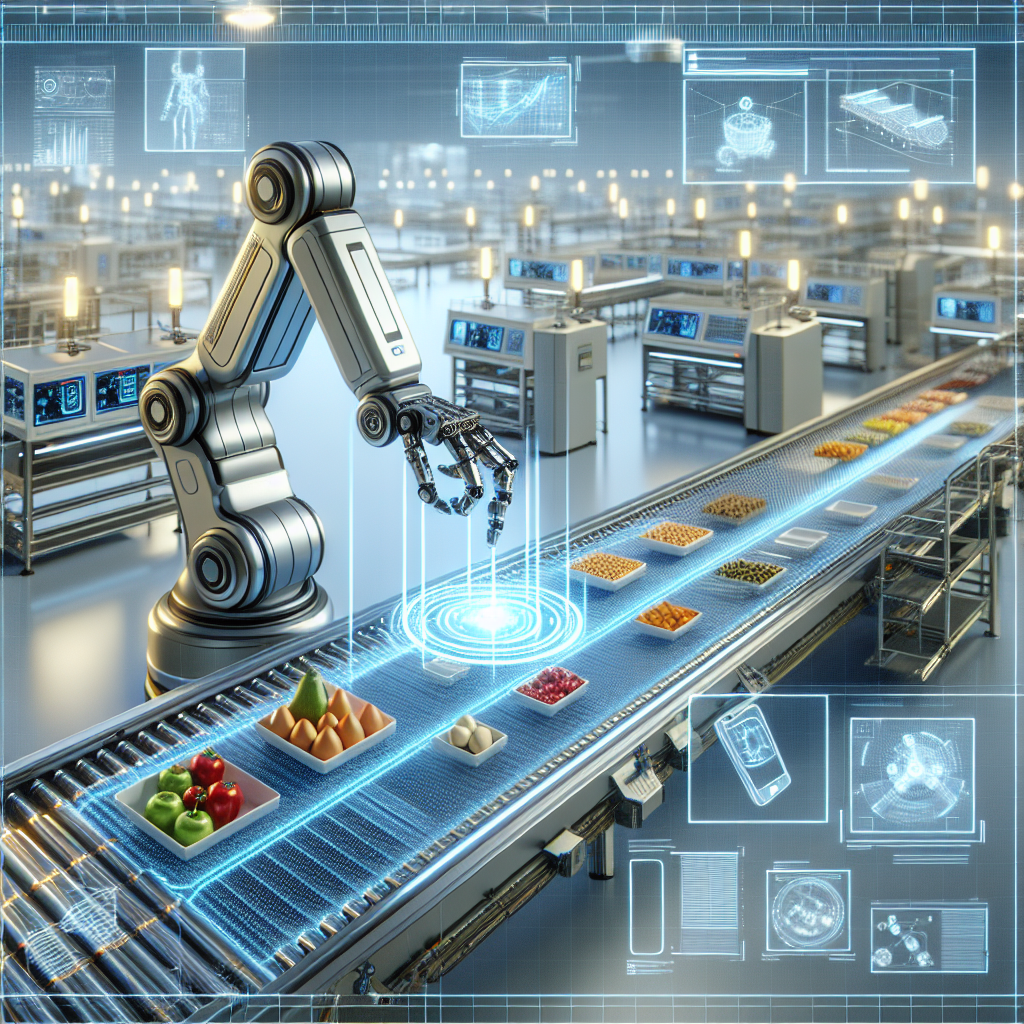
One of the key areas where AI is making a significant impact in food manufacturing is in quality control. Traditionally, quality control in food production has been a labor-intensive process, with human workers inspecting products for defects. AI technologies can automate this process, using computer vision to analyze images of food products and identify any abnormalities or defects. This not only speeds up the inspection process but also improves the accuracy of detecting defects, leading to higher-quality products for consumers.
AI is also being used to optimize production processes in food manufacturing. By analyzing data from sensors and devices on the production line, AI algorithms can identify inefficiencies, predict equipment failures, and suggest ways to improve productivity. This can lead to reduced downtime, lower maintenance costs, and increased output for food manufacturers.
In addition to quality control and production optimization, AI is also being used to enhance product development in the food industry. By analyzing consumer preferences, market trends, and ingredient combinations, AI can help food manufacturers create new products that meet the changing tastes and preferences of consumers. This can lead to more innovative and personalized products that appeal to a wider audience.
Furthermore, AI is also being used to improve supply chain management in the food industry. By analyzing data from suppliers, distributors, and retailers, AI algorithms can optimize inventory levels, reduce waste, and ensure timely delivery of products. This can lead to cost savings for food manufacturers and improved customer satisfaction.
Overall, the future of AI in food manufacturing looks promising, with continued advancements in technology and increased adoption by food companies. As AI technologies become more sophisticated and affordable, we can expect to see even greater improvements in efficiency, quality, and innovation in the food industry.
FAQs
Q: What are some of the benefits of using AI in food manufacturing?
A: Some of the benefits of using AI in food manufacturing include improved quality control, increased productivity, reduced costs, and enhanced product development. AI technologies can help food manufacturers automate processes, optimize production, and create new products that meet consumer demand.
Q: How does AI improve quality control in food manufacturing?
A: AI technologies such as computer vision can analyze images of food products to identify defects or abnormalities. This can lead to faster and more accurate quality control processes, resulting in higher-quality products for consumers.
Q: How can AI optimize production processes in food manufacturing?
A: AI algorithms can analyze data from sensors and devices on the production line to identify inefficiencies, predict equipment failures, and suggest ways to improve productivity. This can lead to reduced downtime, lower maintenance costs, and increased output for food manufacturers.
Q: How does AI enhance product development in the food industry?
A: By analyzing consumer preferences, market trends, and ingredient combinations, AI can help food manufacturers create new products that meet the changing tastes and preferences of consumers. This can lead to more innovative and personalized products that appeal to a wider audience.
Q: What role does AI play in supply chain management in the food industry?
A: AI algorithms can analyze data from suppliers, distributors, and retailers to optimize inventory levels, reduce waste, and ensure timely delivery of products. This can lead to cost savings for food manufacturers and improved customer satisfaction.