
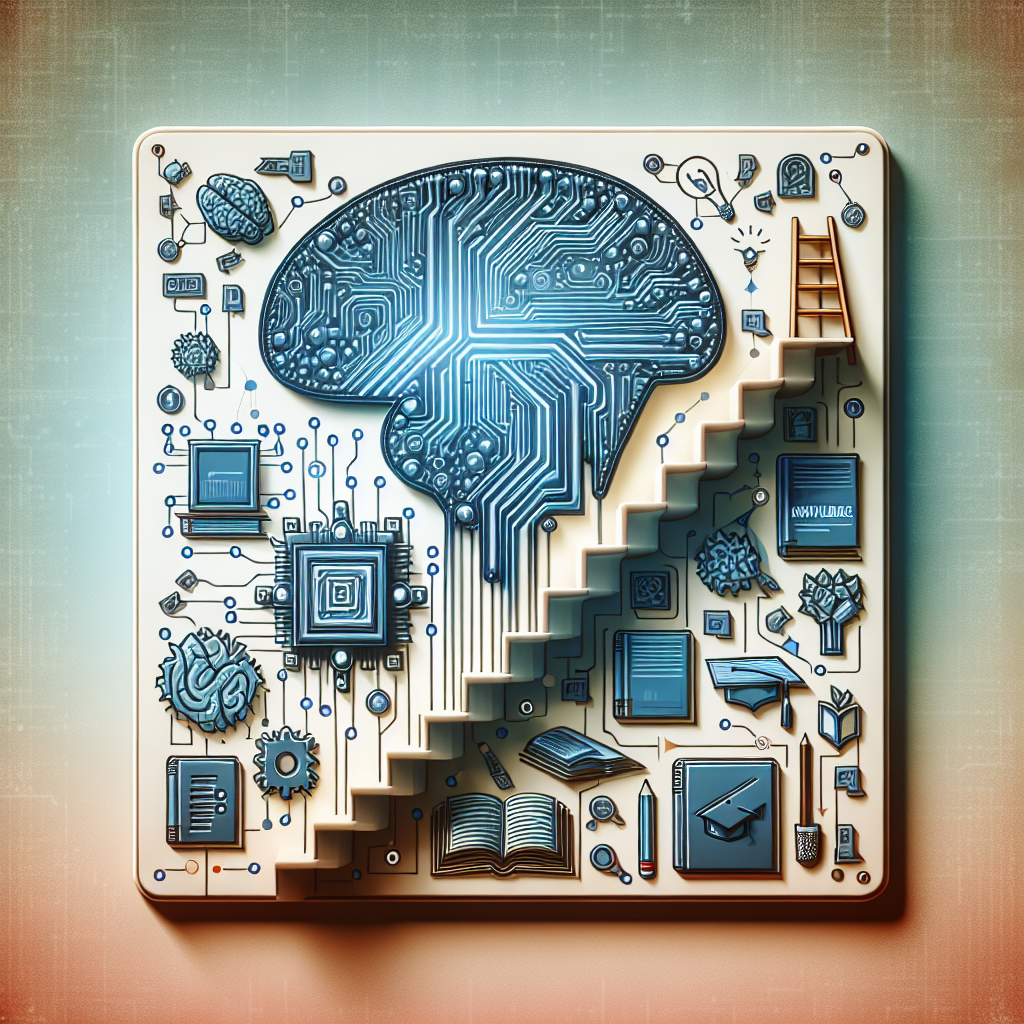
Artificial Intelligence (AI) is revolutionizing the field of education, particularly in the realm of competency-based education. Competency-based education focuses on mastering specific skills or competencies rather than completing a predetermined set of courses. AI is being used to personalize learning experiences, track student progress, and provide targeted feedback to help students achieve mastery of competencies. In this article, we will explore how AI is transforming competency-based education and address some frequently asked questions about this exciting intersection of technology and learning.
AI in Competency-Based Education
AI is being used in competency-based education to create personalized learning experiences for students. By analyzing data on student performance, AI algorithms can identify areas where a student is struggling and provide additional support or resources to help them master a particular competency. This personalized approach to learning can help students progress at their own pace and focus on areas where they need the most help.
One of the key benefits of using AI in competency-based education is the ability to track student progress in real-time. AI algorithms can analyze data on student performance and provide insights into how well a student is mastering competencies. This real-time feedback can help educators identify areas where students are struggling and intervene to provide additional support.
AI can also be used to create adaptive learning experiences that adjust to the individual needs of each student. By analyzing data on student performance, AI algorithms can determine the most effective learning pathways for each student and provide personalized recommendations on how to best master competencies. This adaptive approach to learning can help students stay engaged and motivated as they work towards mastering specific skills.
Another way AI is being used in competency-based education is to automate the assessment process. AI algorithms can analyze student work and provide instant feedback on their performance. This can help students identify areas where they need to improve and make adjustments to their learning strategies. By automating assessments, educators can spend more time providing targeted support to students rather than grading assignments.
FAQs
Q: How does AI personalize learning experiences in competency-based education?
A: AI personalizes learning experiences by analyzing data on student performance and identifying areas where a student is struggling. AI algorithms can provide additional support or resources to help students master competencies at their own pace.
Q: How does AI track student progress in competency-based education?
A: AI algorithms analyze data on student performance to provide real-time insights into how well a student is mastering competencies. This feedback can help educators identify areas where students are struggling and intervene to provide additional support.
Q: How does AI create adaptive learning experiences in competency-based education?
A: AI analyzes data on student performance to determine the most effective learning pathways for each student. By providing personalized recommendations on how to best master competencies, AI can help students stay engaged and motivated as they work towards mastering specific skills.
Q: How does AI automate assessments in competency-based education?
A: AI algorithms can analyze student work and provide instant feedback on their performance. This automation of assessments helps students identify areas where they need to improve and make adjustments to their learning strategies.
In conclusion, AI is transforming competency-based education by personalizing learning experiences, tracking student progress, providing adaptive learning experiences, and automating assessments. This technology has the potential to revolutionize the way we teach and learn, making education more personalized, engaging, and effective. As AI continues to evolve, the possibilities for its application in competency-based education are endless, and the benefits for students are immense.