
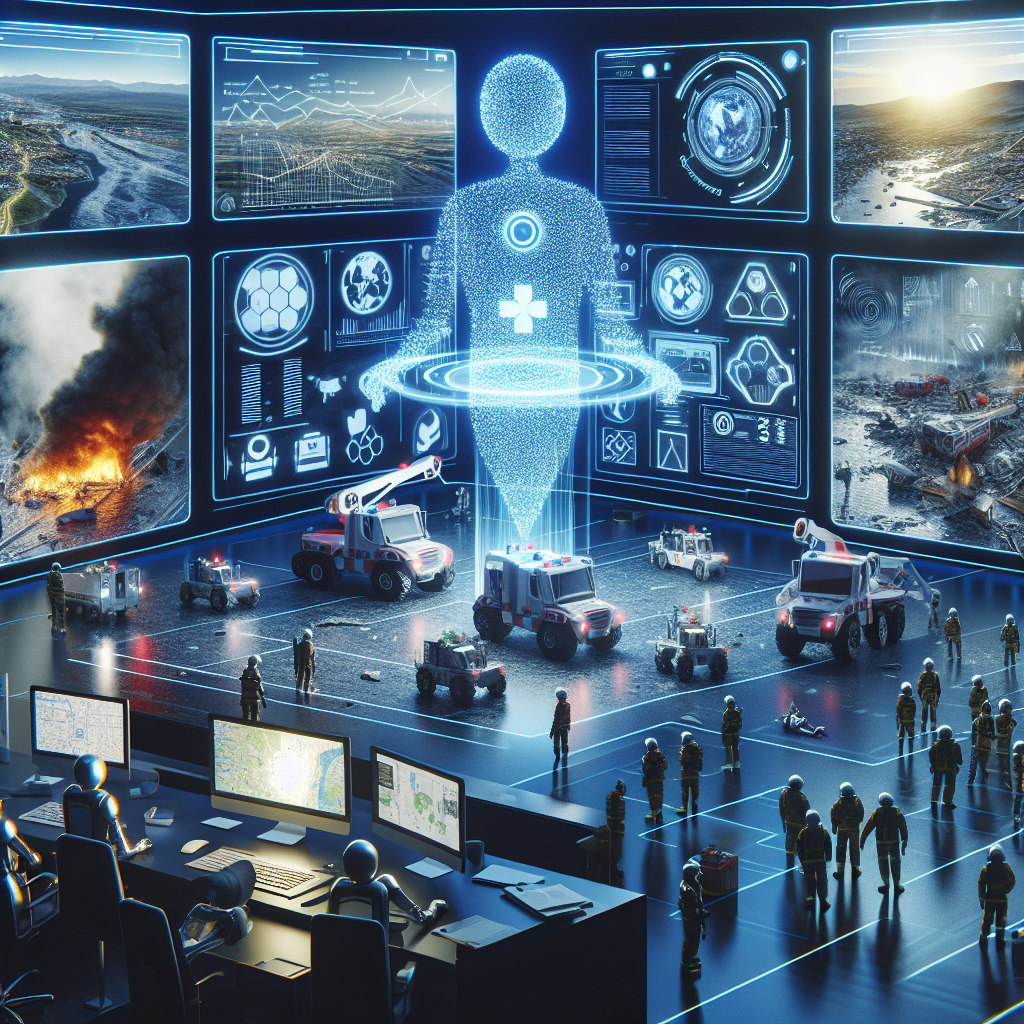
In recent years, the world has seen an increase in natural disasters such as hurricanes, earthquakes, and wildfires. These events can have devastating effects on communities, causing loss of life, destruction of infrastructure, and disruption of services. In the face of such disasters, it is vital for emergency responders to have access to the latest technology to aid in their response and recovery efforts. One such technology that is playing an increasingly important role in disaster response and recovery is artificial intelligence (AI) software.
AI software has the potential to revolutionize disaster response and recovery efforts in several ways. From predicting the impact of disasters to coordinating rescue efforts and managing resources, AI software can help emergency responders make faster, more informed decisions that can ultimately save lives and minimize damage. In this article, we will explore the role of AI software in disaster response and recovery and discuss some of the ways in which this technology is being used to improve outcomes in the face of natural disasters.
Predicting and Monitoring Disasters
One of the key ways in which AI software is being used in disaster response and recovery is in predicting and monitoring disasters. AI algorithms can analyze vast amounts of data from sources such as satellite imagery, weather reports, and social media to identify patterns and trends that may indicate an impending disaster. For example, AI software can analyze changes in weather patterns and sea levels to predict the likelihood of a hurricane or flood occurring in a particular area.
In addition to predicting disasters, AI software can also be used to monitor ongoing disasters in real time. For example, AI-powered drones can be deployed to survey affected areas, assess damage, and identify areas where rescue efforts are needed. This real-time monitoring can help emergency responders make faster, more informed decisions about where to allocate resources and how to prioritize their response efforts.
Coordinating Rescue Efforts
Another important role of AI software in disaster response and recovery is in coordinating rescue efforts. During a disaster, time is of the essence, and effective coordination of rescue teams is crucial to saving lives. AI software can help emergency responders coordinate their efforts by analyzing data on the location of victims, the availability of resources, and the status of rescue teams.
For example, AI algorithms can be used to optimize the routing of rescue teams to minimize response times and maximize the number of lives saved. AI software can also be used to coordinate the deployment of resources such as medical supplies, food, and water to areas that are most in need. By streamlining these coordination efforts, AI software can help emergency responders work more efficiently and effectively in the face of a disaster.
Managing Resources
In addition to predicting disasters and coordinating rescue efforts, AI software can also help emergency responders manage resources more effectively during a disaster. In the aftermath of a natural disaster, resources such as food, water, medical supplies, and shelter are often in short supply, and it is essential to allocate these resources efficiently to those who need them most.
AI software can help emergency responders manage resources by analyzing data on the needs of affected populations, the availability of resources, and the capacity of distribution networks. For example, AI algorithms can be used to predict the demand for medical supplies in different areas and optimize the distribution of these supplies to ensure that they reach those who need them most urgently.
Furthermore, AI software can help emergency responders track the movement of resources in real time, enabling them to quickly identify bottlenecks in the distribution network and make adjustments as needed. By managing resources more effectively, AI software can help emergency responders ensure that critical supplies reach those who need them most during a disaster.
Challenges and Limitations
While AI software holds great promise for improving disaster response and recovery efforts, there are also challenges and limitations that must be taken into account. One of the main challenges is the need for accurate and up-to-date data to train AI algorithms. In many cases, data on disasters can be incomplete, inaccurate, or difficult to obtain, which can limit the effectiveness of AI software in predicting and responding to disasters.
Another challenge is the potential for bias in AI algorithms. AI algorithms are only as good as the data they are trained on, and if this data is biased or incomplete, it can lead to inaccurate predictions and decisions. It is essential for developers to carefully consider the potential biases in their data and take steps to mitigate them to ensure that AI software is fair and effective in disaster response and recovery efforts.
Furthermore, there are also ethical considerations to take into account when using AI software in disaster response and recovery. For example, there may be concerns about the privacy of individuals affected by disasters, as well as the potential for AI algorithms to make decisions that have a negative impact on certain populations. It is important for developers to consider these ethical implications and take steps to ensure that AI software is used responsibly and ethically in disaster response and recovery efforts.
FAQs
Q: How can AI software help predict natural disasters?
A: AI software can analyze data from sources such as satellite imagery, weather reports, and social media to identify patterns and trends that may indicate an impending disaster. By analyzing this data, AI algorithms can make predictions about the likelihood of a disaster occurring in a particular area, allowing emergency responders to prepare and respond more effectively.
Q: How can AI software help coordinate rescue efforts during a disaster?
A: AI software can help emergency responders coordinate rescue efforts by analyzing data on the location of victims, the availability of resources, and the status of rescue teams. By optimizing the routing of rescue teams and coordinating the deployment of resources, AI software can help emergency responders work more efficiently and effectively in the face of a disaster.
Q: What are some of the limitations of using AI software in disaster response and recovery efforts?
A: Some of the limitations of using AI software in disaster response and recovery efforts include the need for accurate and up-to-date data to train AI algorithms, the potential for bias in AI algorithms, and ethical considerations related to privacy and fairness. It is essential for developers to carefully consider these limitations and take steps to mitigate them to ensure that AI software is effective and responsible in disaster response and recovery efforts.
In conclusion, AI software is playing an increasingly important role in disaster response and recovery efforts, helping emergency responders predict disasters, coordinate rescue efforts, and manage resources more effectively. While there are challenges and limitations to consider, the potential benefits of using AI software in disaster response and recovery are significant, and this technology has the potential to save lives and minimize damage in the face of natural disasters. By continuing to develop and implement AI software in disaster response and recovery efforts, we can improve outcomes for affected communities and enhance the resilience of our society in the face of future disasters.