
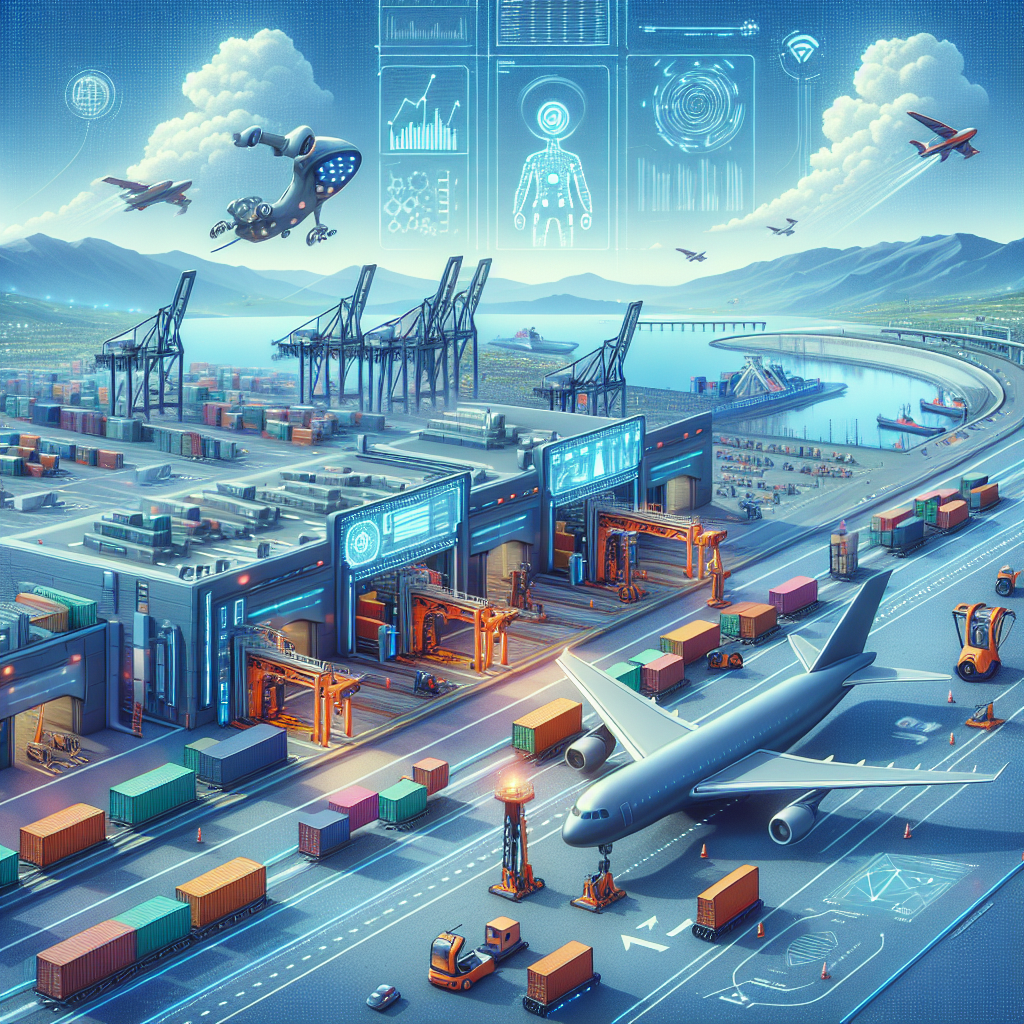
The Future of AI in Air Cargo Logistics
In recent years, the use of artificial intelligence (AI) in air cargo logistics has been on the rise. AI has the potential to revolutionize the way goods are transported by air, making the process more efficient, reliable, and cost-effective. In this article, we will explore the current state of AI in air cargo logistics and discuss its future potential.
Current State of AI in Air Cargo Logistics
AI is already being used in various aspects of air cargo logistics, from route planning and scheduling to inventory management and tracking. One of the key areas where AI is making a significant impact is in predictive analytics. By analyzing historical data and real-time information, AI algorithms can predict demand patterns, optimize routing, and minimize delays. This helps airlines and logistics companies to make better decisions and improve overall efficiency.
Another important application of AI in air cargo logistics is in autonomous vehicles. Drones and self-driving trucks are already being tested for last-mile delivery and are expected to play a bigger role in the future. These autonomous vehicles can operate 24/7, reduce labor costs, and improve delivery speed, making them an attractive option for air cargo logistics companies.
AI is also being used to improve security and reduce the risk of theft or damage to cargo. By analyzing data from sensors and cameras, AI algorithms can detect anomalies and alert security personnel in real-time. This helps to prevent loss or damage to valuable cargo and ensures that shipments arrive safely at their destination.
Future Potential of AI in Air Cargo Logistics
The future of AI in air cargo logistics looks promising, with new technologies and applications emerging that could further revolutionize the industry. One area where AI is expected to have a big impact is in predictive maintenance. By analyzing sensor data and historical maintenance records, AI algorithms can predict when an aircraft or cargo handling equipment is likely to fail and schedule maintenance proactively. This can help to reduce downtime, improve safety, and lower maintenance costs.
Another exciting development is the use of AI-powered robots in air cargo handling. These robots can autonomously load and unload cargo from aircraft, sort packages, and transport goods within warehouses. By automating these repetitive tasks, AI-powered robots can increase efficiency, reduce errors, and free up human workers to focus on more complex and strategic tasks.
AI is also expected to play a bigger role in supply chain optimization. By analyzing data from multiple sources, including weather forecasts, traffic patterns, and demand trends, AI algorithms can optimize routing, minimize delays, and reduce fuel consumption. This can help airlines and logistics companies to lower costs, improve customer satisfaction, and reduce their environmental footprint.
FAQs
Q: Will AI replace human workers in air cargo logistics?
A: While AI has the potential to automate many tasks in air cargo logistics, it is unlikely to replace human workers entirely. Human workers will still be needed to oversee operations, handle exceptions, and make strategic decisions.
Q: How can AI improve safety in air cargo logistics?
A: AI can improve safety in air cargo logistics by analyzing data from sensors and cameras to detect anomalies and alert security personnel in real-time. This helps to prevent theft, damage, and other security risks.
Q: What are the benefits of using AI in air cargo logistics?
A: The benefits of using AI in air cargo logistics include increased efficiency, reduced costs, improved reliability, and enhanced security. AI can help airlines and logistics companies to optimize their operations, deliver goods faster, and provide better service to customers.
Q: What are the challenges of implementing AI in air cargo logistics?
A: Some of the challenges of implementing AI in air cargo logistics include high upfront costs, data privacy concerns, and resistance from workers who fear job displacement. Companies will need to invest in training, infrastructure, and cybersecurity to successfully implement AI in their operations.
Q: What is the role of governments in promoting the use of AI in air cargo logistics?
A: Governments can play a role in promoting the use of AI in air cargo logistics by providing funding for research and development, setting standards and regulations, and promoting collaboration between industry stakeholders. By creating a supportive environment for AI innovation, governments can help to accelerate the adoption of AI in air cargo logistics.
In conclusion, the future of AI in air cargo logistics looks bright, with new technologies and applications emerging that could revolutionize the industry. By leveraging the power of AI, airlines and logistics companies can improve efficiency, reduce costs, and provide better service to customers. While there are challenges to overcome, the potential benefits of using AI in air cargo logistics are too great to ignore. It is clear that AI will play a key role in shaping the future of air cargo logistics and will continue to drive innovation in the industry for years to come.