
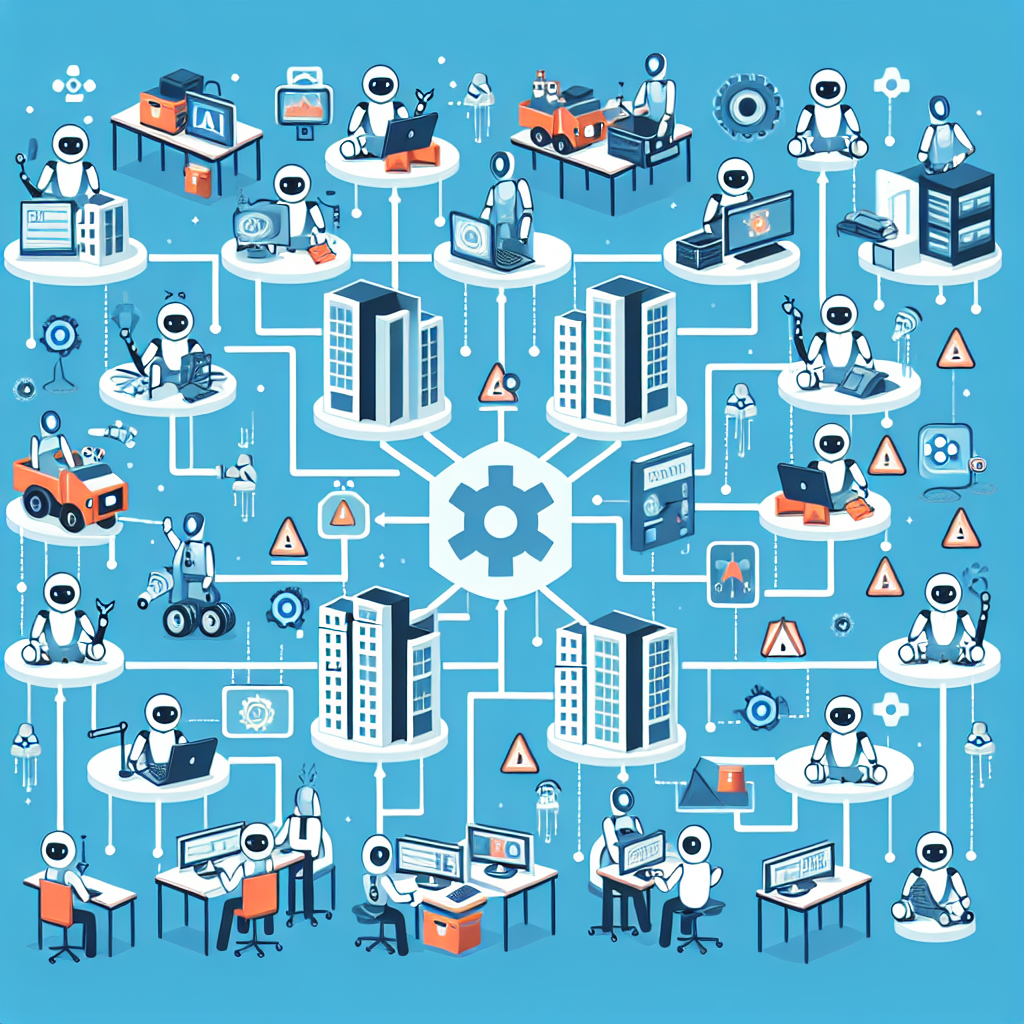
In recent years, the world has seen an increase in natural disasters and emergencies that have caused immense devastation and loss of life. From hurricanes and earthquakes to wildfires and pandemics, the need for effective disaster recovery and resilience efforts has never been more crucial. Thankfully, advances in technology, particularly the deployment of artificial intelligence (AI), have played a significant role in improving disaster response and recovery efforts.
AI technologies have the potential to revolutionize the way disaster recovery and resilience efforts are carried out. By leveraging AI algorithms and machine learning capabilities, organizations and government agencies can better predict, prepare for, and respond to disasters in a more efficient and effective manner. From early warning systems to post-disaster recovery and reconstruction, AI deployment can help save lives, minimize damage, and accelerate recovery efforts.
One of the key benefits of AI deployment in disaster recovery and resilience is its ability to analyze vast amounts of data in real-time. By processing information from various sources such as satellite imagery, social media, and weather sensors, AI algorithms can quickly identify patterns and trends that may indicate an impending disaster. This early warning system can help authorities and emergency responders take proactive measures to evacuate residents, secure critical infrastructure, and deploy resources to areas at risk.
Moreover, AI technologies can also be used to improve communication and coordination during a disaster. By analyzing data from multiple sources, AI systems can provide real-time updates and alerts to emergency responders, government agencies, and the public. This enhanced communication network can help ensure that resources are deployed efficiently, and accurate information is disseminated to those in need.
In addition to early warning systems and communication networks, AI deployment can also assist in post-disaster recovery efforts. By analyzing data on infrastructure damage, population displacement, and resource availability, AI algorithms can help prioritize recovery efforts and allocate resources more effectively. For example, AI-powered drones can be used to assess damage to buildings and infrastructure, while machine learning algorithms can optimize the distribution of supplies and aid to affected areas.
Furthermore, AI technologies can also be used to enhance predictive modeling and risk assessment in disaster-prone areas. By analyzing historical data and environmental factors, AI systems can identify vulnerabilities and potential hazards that may increase the risk of a disaster. This information can help urban planners, policymakers, and emergency responders develop more resilient infrastructure and mitigation strategies to reduce the impact of future disasters.
While the deployment of AI in disaster recovery and resilience efforts offers numerous benefits, it also raises ethical and privacy concerns. For instance, the use of AI algorithms to make decisions about resource allocation or evacuation orders may raise questions about transparency and accountability. Additionally, the collection and analysis of vast amounts of data may raise privacy concerns, particularly regarding the use of personal information in disaster response efforts.
To address these concerns, organizations and government agencies must establish clear guidelines and protocols for the ethical use of AI in disaster recovery and resilience efforts. This includes ensuring that AI algorithms are transparent, accountable, and free from bias in their decision-making processes. Moreover, measures must be put in place to safeguard the privacy of individuals and ensure that data is used responsibly and in accordance with legal and ethical standards.
In conclusion, the role of AI deployment in disaster recovery and resilience is becoming increasingly important in our rapidly changing world. By leveraging AI technologies, organizations and government agencies can improve their ability to predict, prepare for, and respond to disasters in a more efficient and effective manner. From early warning systems to post-disaster recovery efforts, AI can help save lives, minimize damage, and build more resilient communities. However, it is essential that ethical guidelines and privacy protections are put in place to ensure that AI is used responsibly and in accordance with legal and ethical standards.
FAQs:
Q: How can AI be used in early warning systems for natural disasters?
A: AI algorithms can analyze data from various sources such as satellite imagery, weather sensors, and social media to identify patterns and trends that may indicate an impending disaster. This information can help authorities and emergency responders take proactive measures to evacuate residents, secure critical infrastructure, and deploy resources to areas at risk.
Q: What are some examples of AI technologies used in disaster recovery efforts?
A: AI-powered drones can be used to assess damage to buildings and infrastructure, while machine learning algorithms can optimize the distribution of supplies and aid to affected areas. Additionally, AI can be used to enhance communication networks, predictive modeling, and risk assessment in disaster-prone areas.
Q: What are some ethical concerns related to the deployment of AI in disaster recovery and resilience efforts?
A: Ethical concerns include transparency, accountability, and bias in AI algorithms used for decision-making. Additionally, the collection and analysis of vast amounts of data may raise privacy concerns, particularly regarding the use of personal information in disaster response efforts.
Q: How can organizations and government agencies address ethical and privacy concerns related to AI deployment in disaster recovery efforts?
A: Organizations and government agencies must establish clear guidelines and protocols for the ethical use of AI, ensuring that algorithms are transparent, accountable, and free from bias. Additionally, measures must be put in place to safeguard the privacy of individuals and ensure that data is used responsibly and in accordance with legal and ethical standards.