
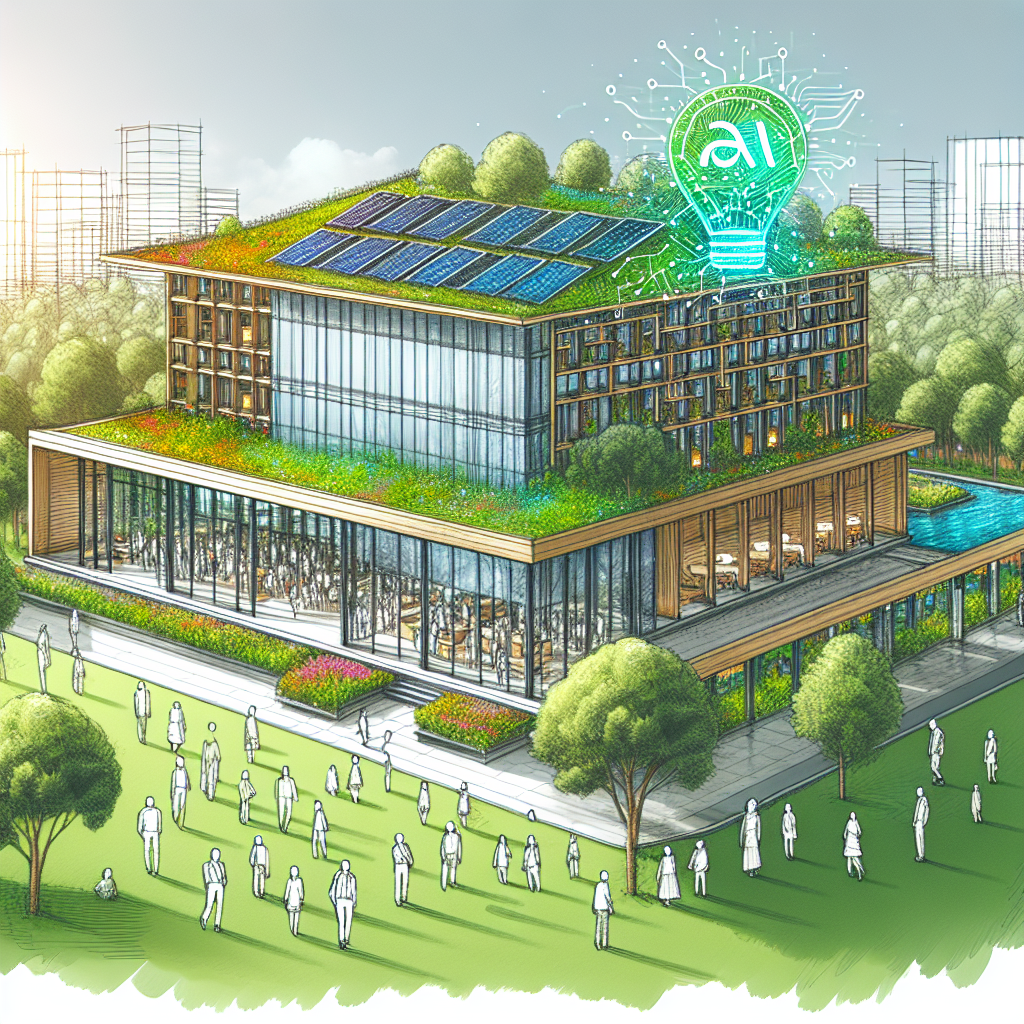
Implementing AI-driven Sustainability Practices in Hotels
Introduction
Sustainability has become a top priority for businesses across all industries, including the hospitality sector. As the world faces pressing environmental challenges, such as climate change and resource depletion, hotels are increasingly looking for ways to reduce their environmental footprint and operate more sustainably. One way hotels can achieve this is by implementing AI-driven sustainability practices.
Artificial intelligence (AI) has the potential to revolutionize the way hotels operate, enabling them to make data-driven decisions that can lead to significant reductions in energy consumption, waste production, and overall environmental impact. By leveraging AI technology, hotels can automate processes, optimize operations, and improve overall efficiency, all while reducing their carbon footprint.
In this article, we will explore the benefits of implementing AI-driven sustainability practices in hotels, as well as some common challenges and solutions. We will also provide some examples of how hotels can use AI to improve their sustainability efforts and answer some frequently asked questions about this topic.
Benefits of Implementing AI-driven Sustainability Practices
There are numerous benefits to implementing AI-driven sustainability practices in hotels. Some of the key advantages include:
1. Energy Efficiency: AI technology can help hotels optimize their energy usage by analyzing data from sensors and other devices to identify patterns and trends. By using AI to control heating, cooling, lighting, and other systems, hotels can reduce energy waste and lower their utility bills.
2. Waste Reduction: AI can also help hotels reduce waste by monitoring consumption and identifying areas where waste can be minimized. For example, AI can analyze data from inventory systems to determine when to order supplies and how much to order, helping hotels avoid overstocking and reduce food waste.
3. Water Conservation: AI technology can be used to monitor water usage in hotels and identify opportunities for conservation. By analyzing data from sensors and devices, hotels can detect leaks, optimize irrigation systems, and implement water-saving measures to reduce their water consumption.
4. Carbon Footprint Reduction: By optimizing energy, water, and waste management, hotels can significantly reduce their carbon footprint. AI-driven sustainability practices can help hotels track their emissions, set reduction targets, and implement strategies to achieve their sustainability goals.
5. Cost Savings: In addition to environmental benefits, implementing AI-driven sustainability practices can also lead to cost savings for hotels. By reducing energy, water, and waste expenses, hotels can improve their bottom line and reinvest the savings into other sustainable initiatives.
Challenges and Solutions
While the benefits of implementing AI-driven sustainability practices in hotels are clear, there are also some challenges that hotels may face when adopting this technology. Some common challenges include:
1. Data Integration: Hotels may struggle to integrate data from various sources, such as energy meters, HVAC systems, and waste management systems, into a single platform for analysis. To overcome this challenge, hotels can invest in AI-powered software that can aggregate and analyze data from multiple sources in real-time.
2. Staff Training: Another challenge is ensuring that hotel staff are properly trained to use AI technology and interpret the data it generates. To address this issue, hotels can provide training sessions, workshops, and resources to help staff understand how AI can be used to improve sustainability practices.
3. Initial Investment: Implementing AI-driven sustainability practices requires an initial investment in technology, software, and equipment. While this may be a barrier for some hotels, the long-term cost savings and environmental benefits can outweigh the upfront costs.
4. Change Management: Implementing AI technology and changing existing processes can be disruptive for hotel staff and guests. To minimize resistance to change, hotels can communicate the benefits of AI-driven sustainability practices and involve staff in the implementation process.
Examples of AI-driven Sustainability Practices in Hotels
There are several ways that hotels can use AI technology to improve their sustainability efforts. Some examples include:
1. Smart Energy Management: Hotels can use AI-powered energy management systems to monitor and control energy usage in real-time. These systems can adjust heating, cooling, and lighting settings based on occupancy levels, weather conditions, and other factors to optimize energy efficiency.
2. Waste Monitoring: AI technology can be used to track waste generation, disposal, and recycling in hotels. By analyzing data from waste management systems, hotels can identify areas where waste can be reduced and implement strategies to minimize landfill waste.
3. Water Conservation: Hotels can implement AI-powered water management systems to monitor water usage and identify leaks, inefficiencies, and opportunities for conservation. By optimizing irrigation, plumbing, and other water systems, hotels can reduce their water consumption and save money.
4. Carbon Footprint Tracking: AI can help hotels track their carbon emissions and set reduction targets to achieve their sustainability goals. By analyzing data from energy meters, transportation systems, and other sources, hotels can identify opportunities to reduce their carbon footprint and implement strategies to offset emissions.
Frequently Asked Questions
Q: How can AI technology help hotels reduce their energy consumption?
A: AI technology can help hotels reduce their energy consumption by analyzing data from sensors and devices to identify patterns and trends. By optimizing heating, cooling, lighting, and other systems, hotels can lower their energy usage and reduce their utility bills.
Q: What are some examples of AI-driven sustainability practices that hotels can implement?
A: Some examples of AI-driven sustainability practices that hotels can implement include smart energy management, waste monitoring, water conservation, and carbon footprint tracking. These practices can help hotels reduce their environmental impact and improve their sustainability efforts.
Q: Is implementing AI-driven sustainability practices expensive for hotels?
A: While there may be an initial investment required to implement AI-driven sustainability practices, the long-term cost savings and environmental benefits can outweigh the upfront costs. By reducing energy, water, and waste expenses, hotels can improve their bottom line and contribute to a more sustainable future.
Conclusion
Implementing AI-driven sustainability practices in hotels is a smart and strategic way to reduce environmental impact, improve operational efficiency, and enhance guest experience. By leveraging AI technology to optimize energy, water, waste management, and other sustainability practices, hotels can achieve cost savings, reduce their carbon footprint, and contribute to a more sustainable future for the hospitality industry.
While there are challenges to adopting AI technology, such as data integration, staff training, and initial investment, the benefits of AI-driven sustainability practices far outweigh the drawbacks. By overcoming these challenges and implementing AI technology effectively, hotels can position themselves as leaders in sustainability and set an example for others in the industry to follow.