
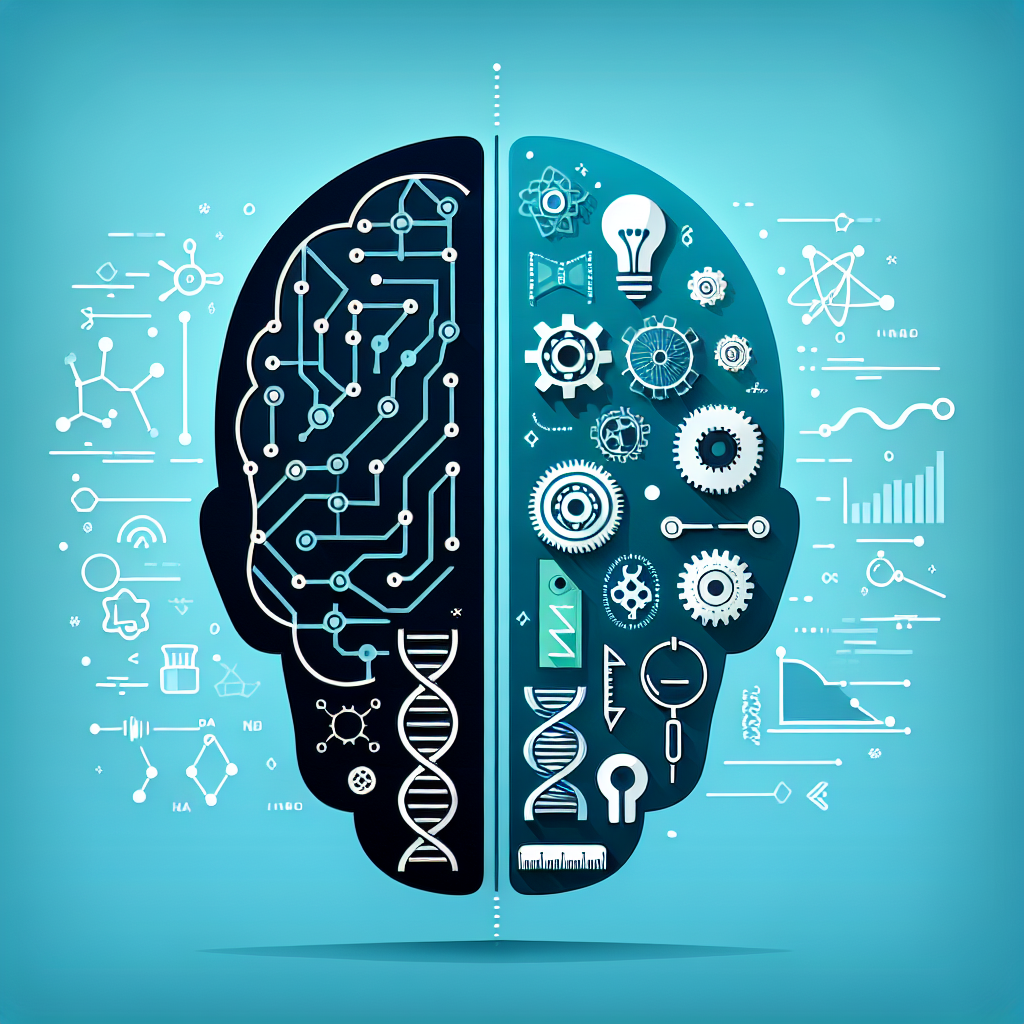
The Role of AI in STEM Education
In recent years, there has been a growing interest in the integration of Artificial Intelligence (AI) in education, particularly in the fields of Science, Technology, Engineering, and Mathematics (STEM). AI has the potential to revolutionize the way students learn and engage with these subjects, making education more personalized, interactive, and effective. In this article, we will explore the role of AI in STEM education, its benefits, challenges, and potential impact on the future of learning.
Benefits of AI in STEM Education
1. Personalized Learning: One of the key benefits of AI in education is its ability to provide personalized learning experiences for students. AI algorithms can analyze a student’s learning style, strengths, and weaknesses, and tailor educational content to meet their individual needs. This can help students learn at their own pace, focus on areas where they need more help, and ultimately achieve better academic outcomes.
2. Interactive Learning: AI-powered educational tools can make learning more engaging and interactive for students. Virtual reality simulations, interactive games, and other AI-based platforms can help students visualize complex concepts, conduct experiments, and solve problems in a hands-on way. This not only makes learning more fun and engaging but also helps students better understand and retain information.
3. Real-Time Feedback: AI can provide students with instant feedback on their performance, helping them identify and correct mistakes in real-time. This immediate feedback can help students stay motivated, track their progress, and make adjustments to their learning strategies as needed. This can lead to faster learning and better academic outcomes.
4. Teacher Support: AI can also support teachers in the classroom by automating routine tasks, such as grading assignments, creating lesson plans, and tracking student progress. This can free up teachers’ time to focus on more personalized instruction, mentorship, and support for students. AI can also help teachers identify struggling students early on and provide targeted interventions to help them succeed.
Challenges of AI in STEM Education
While the potential benefits of AI in STEM education are significant, there are also challenges and concerns that need to be addressed:
1. Equity and Access: One of the main concerns about AI in education is the potential for exacerbating existing inequalities in access to quality education. Not all schools have the resources or expertise to implement AI-powered tools effectively, which could widen the achievement gap between students from different socioeconomic backgrounds. It is important to ensure that AI in education is accessible to all students and does not further disadvantage marginalized groups.
2. Privacy and Data Security: Another concern is the privacy and security of student data when using AI-powered educational tools. AI algorithms collect and analyze a large amount of data about students’ learning behaviors, which raises concerns about data privacy, consent, and security. It is essential to have robust data protection measures in place to safeguard students’ sensitive information and ensure compliance with privacy regulations.
3. Bias and Fairness: AI algorithms are only as good as the data they are trained on, and there is a risk of bias and discrimination in AI-driven educational systems. If the training data is not diverse or representative enough, AI algorithms may perpetuate existing biases and stereotypes, leading to unfair outcomes for certain groups of students. It is crucial to address bias and fairness issues in AI education to ensure that all students have equal opportunities to learn and succeed.
4. Overreliance on Technology: While AI can enhance the learning experience, there is also a risk of overreliance on technology in education. It is essential to strike a balance between using AI as a tool to support teaching and learning and maintaining the human touch and critical thinking skills that are essential for students’ holistic development. Teachers play a crucial role in guiding and mentoring students, and AI should be seen as a complement to, rather than a replacement for, human instruction.
Impact of AI on the Future of Learning
Despite the challenges and concerns, the integration of AI in STEM education has the potential to transform the future of learning in profound ways. AI-powered educational tools can help students develop critical thinking, problem-solving, and computational skills that are essential for success in the 21st century. By providing personalized, interactive, and engaging learning experiences, AI can help students learn more effectively and efficiently, prepare them for future careers in STEM fields, and foster a lifelong love of learning.
FAQs about AI in STEM Education
1. How can AI be used in STEM education?
AI can be used in STEM education in various ways, such as providing personalized learning experiences, interactive simulations and games, real-time feedback on student performance, and teacher support. AI-powered tools can help students learn at their own pace, visualize complex concepts, conduct experiments, solve problems, and track their progress in STEM subjects.
2. What are some examples of AI-powered educational tools in STEM?
There are many AI-powered educational tools available for STEM education, such as adaptive learning platforms, virtual reality simulations, coding games, and intelligent tutoring systems. These tools can help students learn math, science, engineering, and technology concepts in a fun, engaging, and interactive way.
3. How can AI help teachers in the classroom?
AI can help teachers in the classroom by automating routine tasks, such as grading assignments, creating lesson plans, and tracking student progress. AI algorithms can analyze student data, identify learning gaps, and provide targeted interventions to help struggling students. This can free up teachers’ time to focus on personalized instruction, mentorship, and support for students.
4. What are the challenges of implementing AI in STEM education?
Some of the challenges of implementing AI in STEM education include equity and access issues, privacy and data security concerns, bias and fairness issues, and the risk of overreliance on technology. It is important to address these challenges to ensure that AI in education is accessible, inclusive, ethical, and effective for all students.
In conclusion, AI has the potential to revolutionize STEM education by providing personalized, interactive, and engaging learning experiences for students. While there are challenges and concerns that need to be addressed, the integration of AI in education can help students develop critical skills, prepare for future careers in STEM fields, and foster a lifelong love of learning. By leveraging the power of AI, we can create a more equitable, inclusive, and effective educational system that empowers students to succeed in the 21st century and beyond.