
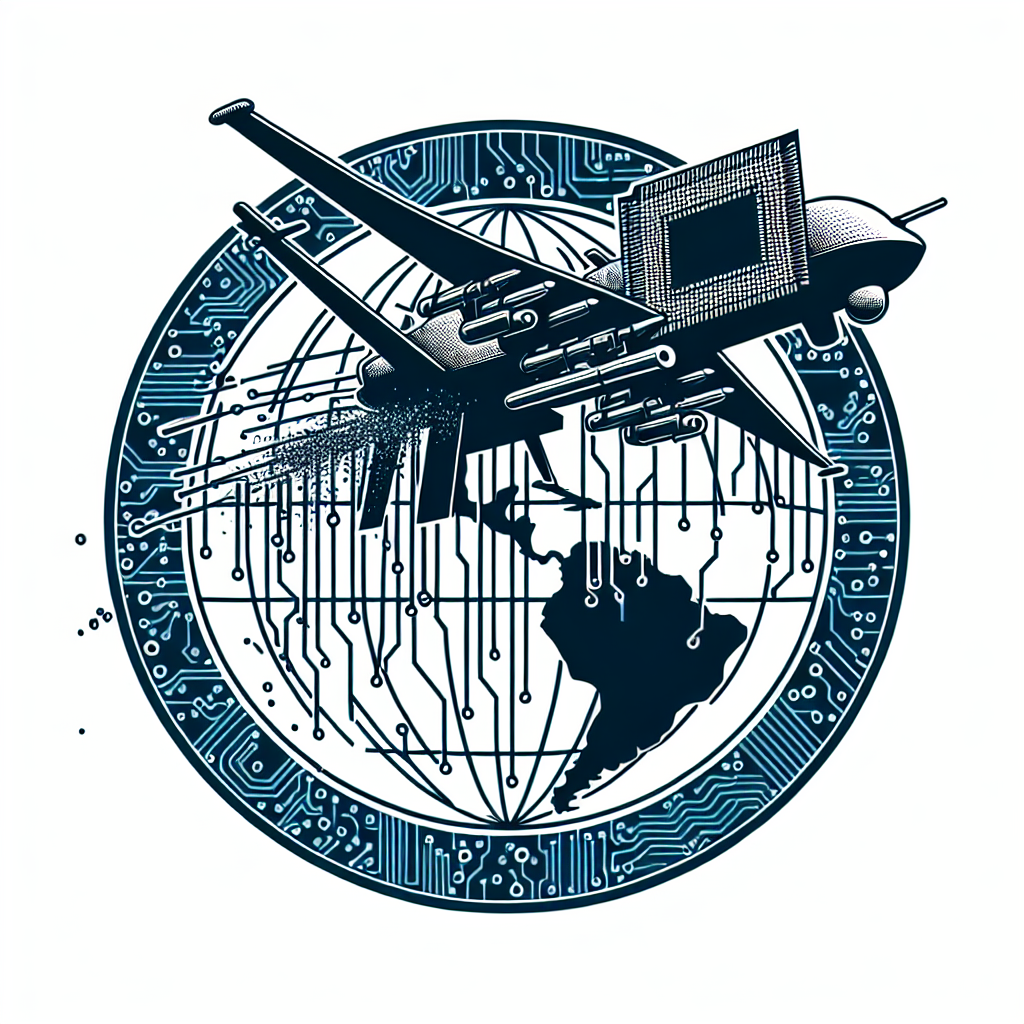
The Risks of AI in Autonomous Weapon Systems
Artificial Intelligence (AI) has made significant advancements in recent years, with applications ranging from self-driving cars to medical diagnosis. However, one area where the use of AI is particularly controversial is in autonomous weapon systems. These systems, also known as killer robots, are capable of selecting and engaging targets without human intervention. While proponents argue that autonomous weapons can reduce human error and make combat more efficient, critics warn of the myriad risks associated with AI in warfare. In this article, we will explore some of the key risks of AI in autonomous weapon systems.
1. Lack of Human Control
One of the primary concerns with autonomous weapon systems is the lack of human control over the decision-making process. Unlike traditional weapons, which require a human operator to pull the trigger, autonomous weapons can make decisions independently. This raises ethical questions about who is responsible for the actions of these systems and how they can be held accountable for their actions. Without human oversight, there is also a risk that autonomous weapons could target civilians or engage in indiscriminate attacks, leading to unnecessary loss of life.
2. Lack of Contextual Understanding
AI systems rely on data to make decisions, but they may lack the ability to understand complex human contexts. In a combat situation, there are often nuances and unpredictable factors that can influence a target’s status or the appropriateness of engaging with them. Autonomous weapons may struggle to differentiate between combatants and civilians, potentially leading to deadly mistakes. Additionally, AI systems may not be able to interpret non-verbal cues or understand cultural norms, making it difficult for them to accurately assess a situation and respond appropriately.
3. Vulnerability to Hacking
Another significant risk of AI in autonomous weapon systems is the potential for hacking. Like any technology connected to the internet, autonomous weapons are vulnerable to cyberattacks that could compromise their functionality or hijack their decision-making processes. A malicious actor could potentially hack into an autonomous weapon system and redirect its targeting capabilities, leading to unintended consequences or attacks on friendly forces. This poses a serious threat to national security and the safety of military personnel on the battlefield.
4. Escalation of Conflict
The use of autonomous weapon systems has the potential to escalate conflicts by removing the human element from decision-making. Without a human operator to assess the situation and exercise judgment, there is a risk that autonomous weapons could respond aggressively to perceived threats, leading to a chain reaction of violence. This could result in unintended casualties and further destabilize already volatile regions. Additionally, the deployment of autonomous weapons could lower the threshold for using force, making it easier for states to engage in military action without fully considering the consequences.
5. Lack of Accountability
One of the biggest challenges with AI in autonomous weapon systems is establishing accountability for their actions. In the event of a malfunction or a civilian casualty, it may be difficult to determine who is responsible and how they can be held accountable. This raises legal and ethical questions about the use of autonomous weapons and the implications for international humanitarian law. Without clear guidelines and mechanisms for accountability, there is a risk that autonomous weapons could be used in ways that violate human rights and international norms.
FAQs
Q: Are autonomous weapon systems already in use?
A: While fully autonomous weapon systems are not currently deployed in combat, there are concerns that they could be developed in the future. Several countries, including the United States, Russia, and China, are investing in AI technology for military applications, raising fears about the proliferation of autonomous weapons.
Q: What are some proposed solutions to address the risks of AI in autonomous weapon systems?
A: One proposed solution is to ban the development and use of fully autonomous weapon systems through an international treaty. This would help prevent the proliferation of these weapons and establish clear guidelines for their use. Additionally, some experts advocate for greater transparency and accountability in the development and deployment of autonomous weapons to ensure that they are used in a responsible manner.
Q: How can we ensure that autonomous weapon systems are used ethically and responsibly?
A: To ensure the ethical and responsible use of autonomous weapon systems, it is essential to establish clear guidelines and regulations governing their development and deployment. This includes setting limits on their autonomy, ensuring human oversight and control, and implementing mechanisms for accountability in the event of malfunctions or unintended consequences. It is also important to engage in dialogue with stakeholders, including governments, the military, and civil society, to address concerns and foster transparency in the use of AI in warfare.
In conclusion, the risks of AI in autonomous weapon systems are significant and raise important ethical, legal, and security concerns. While AI has the potential to revolutionize warfare and make combat more efficient, it is essential to carefully consider the implications of deploying autonomous weapons. By addressing these risks and implementing safeguards to ensure the responsible use of AI in warfare, we can harness the benefits of technology while minimizing the potential harms.