
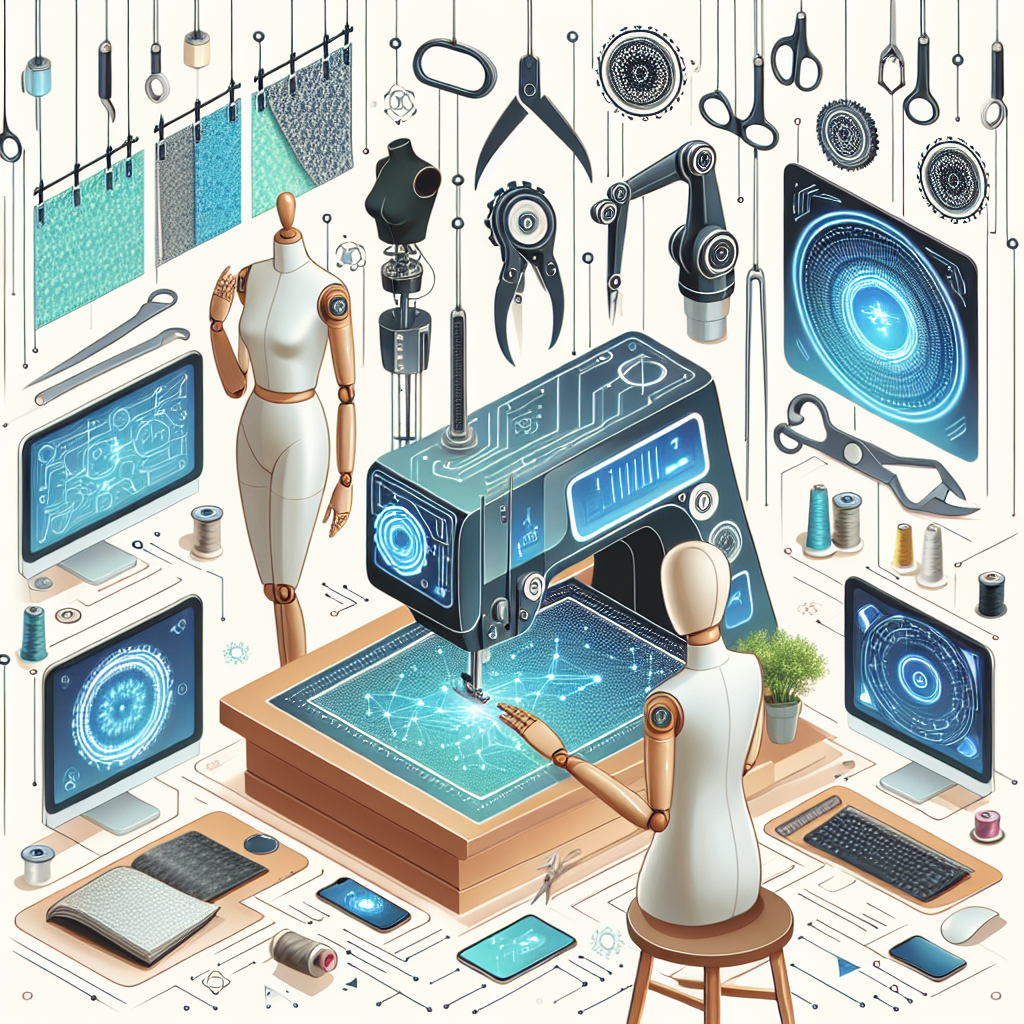
Artificial Intelligence (AI) automation is revolutionizing industries across the board, and the fashion industry is no exception. From design and manufacturing to marketing and customer service, AI technology is playing a crucial role in reshaping the way fashion businesses operate. In this article, we will explore the various ways in which AI automation is transforming the fashion industry and the implications of this transformation.
Design and Product Development
One of the most significant ways in which AI automation is reshaping the fashion industry is in the area of design and product development. AI algorithms are being used to analyze trends, predict consumer preferences, and create designs that are tailored to meet the demands of the market. Designers can use AI-powered tools to generate new design ideas, experiment with different patterns and colors, and even create virtual prototypes of their designs.
AI technology is also being used to optimize the manufacturing process by automating tasks such as pattern cutting, fabric cutting, and quality control. This not only reduces the time and cost associated with production but also improves the overall quality of the products.
Personalized Shopping Experience
AI automation is also transforming the way customers shop for fashion items. By analyzing customer data and preferences, AI algorithms can provide personalized recommendations, styling tips, and product suggestions. This not only helps customers find the right products but also enhances their shopping experience by making it more convenient and enjoyable.
AI-powered chatbots are also being used to provide customer support and assistance. These virtual assistants can answer customer queries, provide product information, and even process orders. This not only improves customer service but also helps businesses reduce their operational costs.
Marketing and Advertising
AI automation is revolutionizing the way fashion brands market and advertise their products. By analyzing customer data and behavior, AI algorithms can create targeted marketing campaigns that are tailored to the preferences and interests of individual customers. This not only improves the effectiveness of marketing efforts but also helps businesses reach a wider audience and generate more sales.
AI technology is also being used to create personalized ads, product recommendations, and promotional offers. By analyzing customer data in real-time, AI algorithms can deliver the right message to the right customer at the right time, increasing the likelihood of conversion and engagement.
Supply Chain Management
AI automation is also transforming the way fashion businesses manage their supply chains. By analyzing data from suppliers, manufacturers, and distributors, AI algorithms can optimize the flow of products, reduce lead times, and minimize costs. This not only improves efficiency but also enhances transparency and accountability throughout the supply chain.
AI technology is also being used to track inventory levels, predict demand, and automate ordering processes. This helps businesses avoid stockouts, reduce excess inventory, and ensure that customers always have access to the products they want.
Challenges and Opportunities
While AI automation presents numerous opportunities for the fashion industry, it also poses several challenges. One of the main concerns is the potential impact on jobs. As AI technology becomes more prevalent, there is a risk that it could replace human workers in certain roles, leading to job losses and economic disruption.
Another challenge is the ethical implications of AI automation. As AI algorithms become more sophisticated, there is a risk that they could perpetuate bias, discrimination, and inequality. It is essential for fashion businesses to be aware of these risks and take proactive steps to mitigate them.
Despite these challenges, AI automation also presents significant opportunities for the fashion industry. By embracing AI technology, businesses can improve efficiency, reduce costs, and enhance the overall customer experience. AI-powered tools can help designers create innovative designs, marketers reach their target audience, and supply chain managers optimize their operations.
FAQs
Q: Will AI automation replace human workers in the fashion industry?
A: While AI technology has the potential to automate certain tasks, it is unlikely to replace human workers entirely. Instead, AI automation is more likely to complement human skills and enhance the capabilities of fashion businesses.
Q: How can fashion businesses leverage AI automation to improve their operations?
A: Fashion businesses can leverage AI automation to optimize design and product development, personalize the shopping experience, streamline marketing and advertising efforts, and enhance supply chain management.
Q: What are the ethical implications of AI automation in the fashion industry?
A: The ethical implications of AI automation in the fashion industry include concerns about bias, discrimination, and inequality. It is essential for businesses to be aware of these risks and take proactive steps to mitigate them.
In conclusion, AI automation is reshaping the fashion industry in profound ways. From design and manufacturing to marketing and customer service, AI technology is revolutionizing the way fashion businesses operate. By embracing AI technology, fashion businesses can improve efficiency, reduce costs, and enhance the overall customer experience. Despite the challenges and risks associated with AI automation, the opportunities it presents for the fashion industry are too significant to ignore. It is essential for fashion businesses to adapt to this new reality and harness the power of AI technology to stay competitive in an increasingly digital world.