
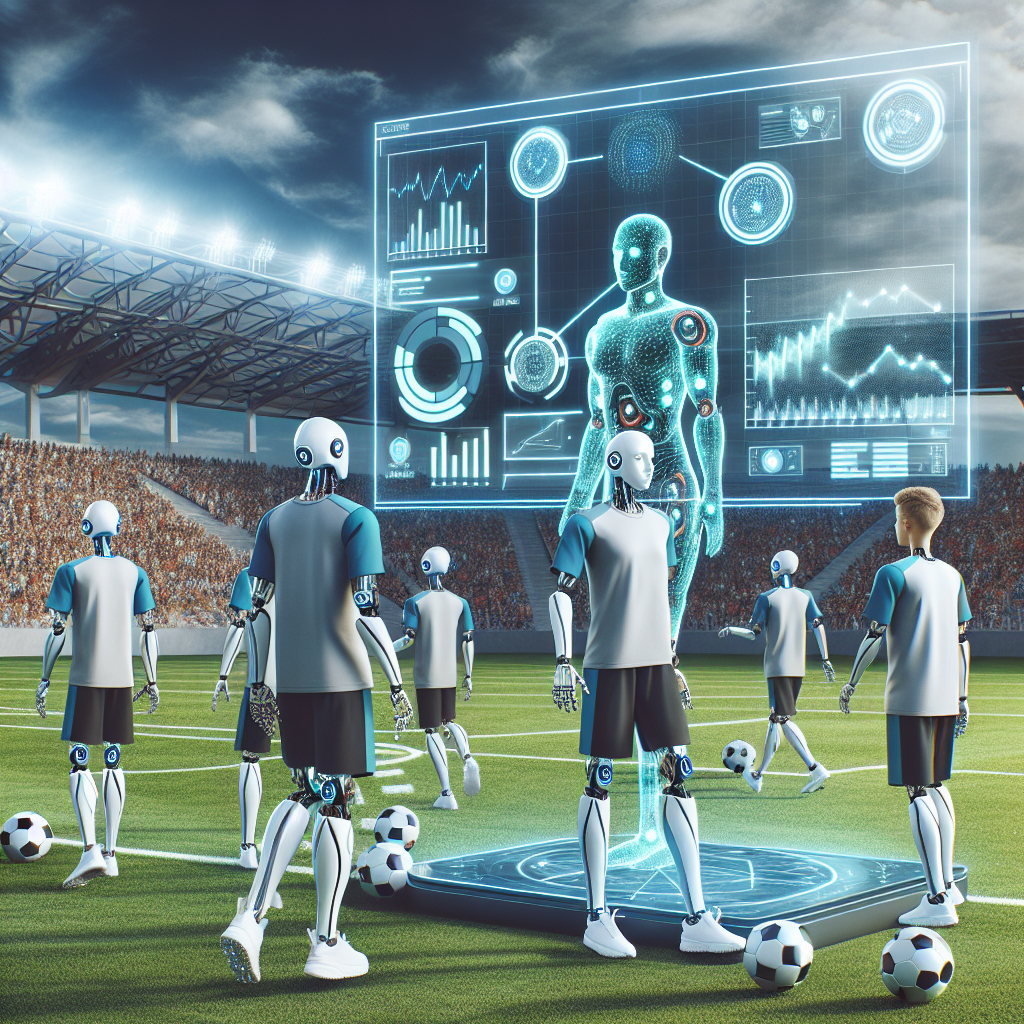
Artificial Intelligence (AI) has been revolutionizing various industries, and sports talent development is no exception. AI technology has the potential to enhance the training, performance, and recruitment of athletes, providing a competitive edge in the highly competitive world of sports. In this article, we will explore the benefits of AI in sports talent development and how it is transforming the way athletes are trained and evaluated.
1. Data Analysis and Performance Tracking
One of the key benefits of AI in sports talent development is its ability to analyze vast amounts of data quickly and accurately. With AI-powered software, coaches and trainers can track performance metrics such as speed, strength, agility, and technique in real-time. This data allows for a more comprehensive understanding of an athlete’s strengths and weaknesses, enabling personalized training programs to be developed.
AI can also help in predicting and preventing injuries by analyzing movement patterns and biomechanics. By identifying potential risk factors early on, coaches can adjust training regimens to reduce the likelihood of injuries occurring. This not only improves the athlete’s overall performance but also prolongs their career in the long run.
2. Talent Identification and Recruitment
AI technology is also transforming the way athletes are identified and recruited. By analyzing a player’s performance data, AI algorithms can identify potential talent that may have otherwise gone unnoticed. This can be particularly beneficial in sports where traditional scouting methods may not be effective, such as in emerging sports or in regions where talent is scarce.
AI can also be used to evaluate the performance of potential recruits and compare them against established athletes. By analyzing their physical attributes, skills, and performance metrics, recruiters can make more informed decisions when selecting new talent for their teams. This reduces the risk of making costly recruitment mistakes and ensures that the best athletes are selected for the team.
3. Personalized Training Programs
AI technology allows for the creation of personalized training programs tailored to the specific needs of each athlete. By analyzing performance data and monitoring progress over time, coaches can adjust training regimens to optimize performance and address any weaknesses that may be holding the athlete back.
AI-powered training programs can also simulate game scenarios and provide real-time feedback to athletes, allowing them to improve their decision-making skills and situational awareness. This type of interactive training can help athletes develop a competitive edge and perform at their best when it matters most.
4. Mental Performance and Well-being
In addition to physical performance, AI can also be used to improve athletes’ mental performance and well-being. By analyzing biometric data and monitoring stress levels, AI algorithms can identify when an athlete may be at risk of burnout or mental fatigue. Coaches can then intervene and provide the necessary support to ensure the athlete’s mental well-being is maintained.
AI can also be used to analyze an athlete’s cognitive performance and decision-making skills. By tracking eye movements, reaction times, and decision-making processes, coaches can identify areas for improvement and develop strategies to enhance mental performance on the field.
5. Enhanced Fan Engagement
AI technology is not only benefiting athletes and coaches but also fans. With the use of AI-powered analytics, sports organizations can provide fans with real-time insights and statistics on their favorite athletes and teams. This enhances fan engagement and provides a more immersive experience for spectators, whether they are watching the game from the stands or from the comfort of their own homes.
FAQs
Q: How is AI used in sports talent development?
A: AI is used in sports talent development to analyze performance data, track physical attributes, identify potential talent, create personalized training programs, improve mental performance, and enhance fan engagement.
Q: What are the benefits of AI in sports talent development?
A: The benefits of AI in sports talent development include improved performance tracking, injury prevention, talent identification and recruitment, personalized training programs, enhanced mental performance, and fan engagement.
Q: Can AI replace human coaches in sports talent development?
A: While AI technology can provide valuable insights and support to coaches, it is unlikely to replace human coaches entirely. The human element of coaching, such as motivation, leadership, and emotional support, is essential in developing athletes to their full potential.
In conclusion, AI technology is transforming the world of sports talent development, providing athletes, coaches, and recruiters with valuable insights and tools to improve performance, prevent injuries, identify talent, and engage fans. By leveraging the power of AI, sports organizations can gain a competitive edge and enhance the overall experience for athletes and fans alike.