
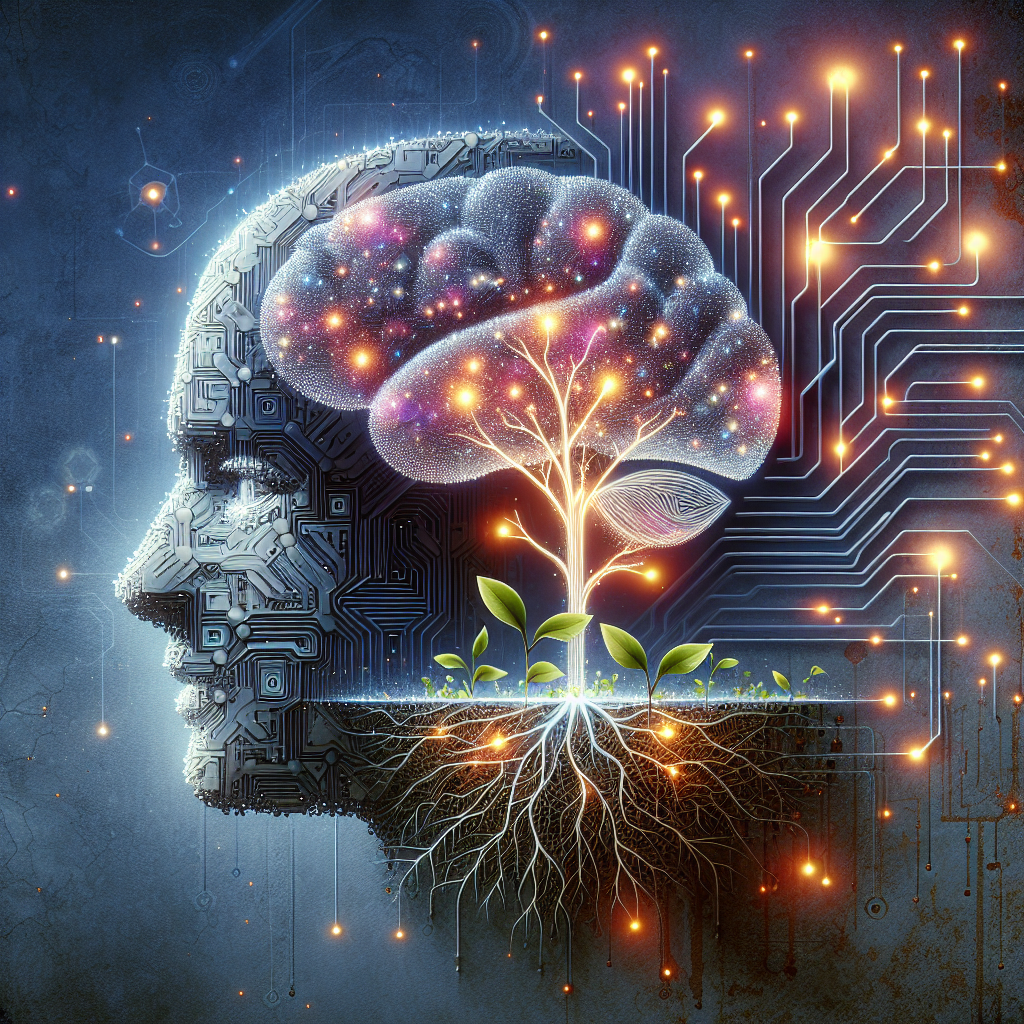
AI and Creative Resilience: Adapting to Change in the Digital Era
In today’s rapidly changing digital landscape, individuals and businesses are constantly faced with the challenge of adapting to new technologies and ways of working. Artificial Intelligence (AI) is one such technology that has the potential to revolutionize how we live and work. From self-driving cars to automated customer service chatbots, AI is already making its presence felt in various aspects of our lives.
One area where AI is particularly impactful is in the creative industry. Traditionally, creativity was seen as a uniquely human trait that could not be replicated by machines. However, AI has proven that it is capable of producing creative works that rival those of human artists. This has led to a shift in how we think about creativity and the role of AI in the creative process.
Creative resilience is the ability to adapt to change and thrive in the face of adversity. In the digital era, this concept is more important than ever as the pace of technological advancement continues to accelerate. Creatives who are able to embrace AI and harness its potential will be better equipped to navigate the challenges of the digital age.
AI has the potential to enhance creativity in a number of ways. For example, AI can help artists generate new ideas, improve the efficiency of the creative process, and even create new forms of art that were previously unimaginable. By incorporating AI into their workflow, creatives can push the boundaries of what is possible and create works that are truly groundbreaking.
However, the rise of AI also presents challenges for creatives. As machines become increasingly capable of producing creative works, there is a fear that human artists may become obsolete. This has led to debates about the ethics of AI in the creative industry and the implications for job security.
Despite these challenges, creatives can leverage AI to their advantage by embracing a mindset of creative resilience. By adapting to change and staying ahead of the curve, creatives can harness the power of AI to enhance their creativity and remain competitive in the digital era.
FAQs
Q: How can AI enhance creativity in the creative industry?
A: AI can enhance creativity in a number of ways, such as helping artists generate new ideas, improving the efficiency of the creative process, and creating new forms of art that were previously unimaginable.
Q: What are the challenges of AI in the creative industry?
A: One of the main challenges of AI in the creative industry is the fear that human artists may become obsolete as machines become increasingly capable of producing creative works. There are also debates about the ethics of AI in the creative industry and the implications for job security.
Q: How can creatives adapt to the rise of AI in the creative industry?
A: Creatives can adapt to the rise of AI by embracing a mindset of creative resilience. By staying ahead of the curve and harnessing the power of AI to enhance their creativity, creatives can remain competitive in the digital era.
Q: What are some examples of AI in the creative industry?
A: Some examples of AI in the creative industry include AI-generated art, music, and writing, as well as AI-powered tools that help artists streamline their workflow and create new forms of art.
In conclusion, AI and creative resilience are key concepts for individuals and businesses looking to adapt to change in the digital era. By embracing AI and harnessing its potential, creatives can enhance their creativity and remain competitive in an increasingly digital world. With the right mindset and tools, creatives can thrive in the face of adversity and continue to push the boundaries of what is possible in the creative industry.