
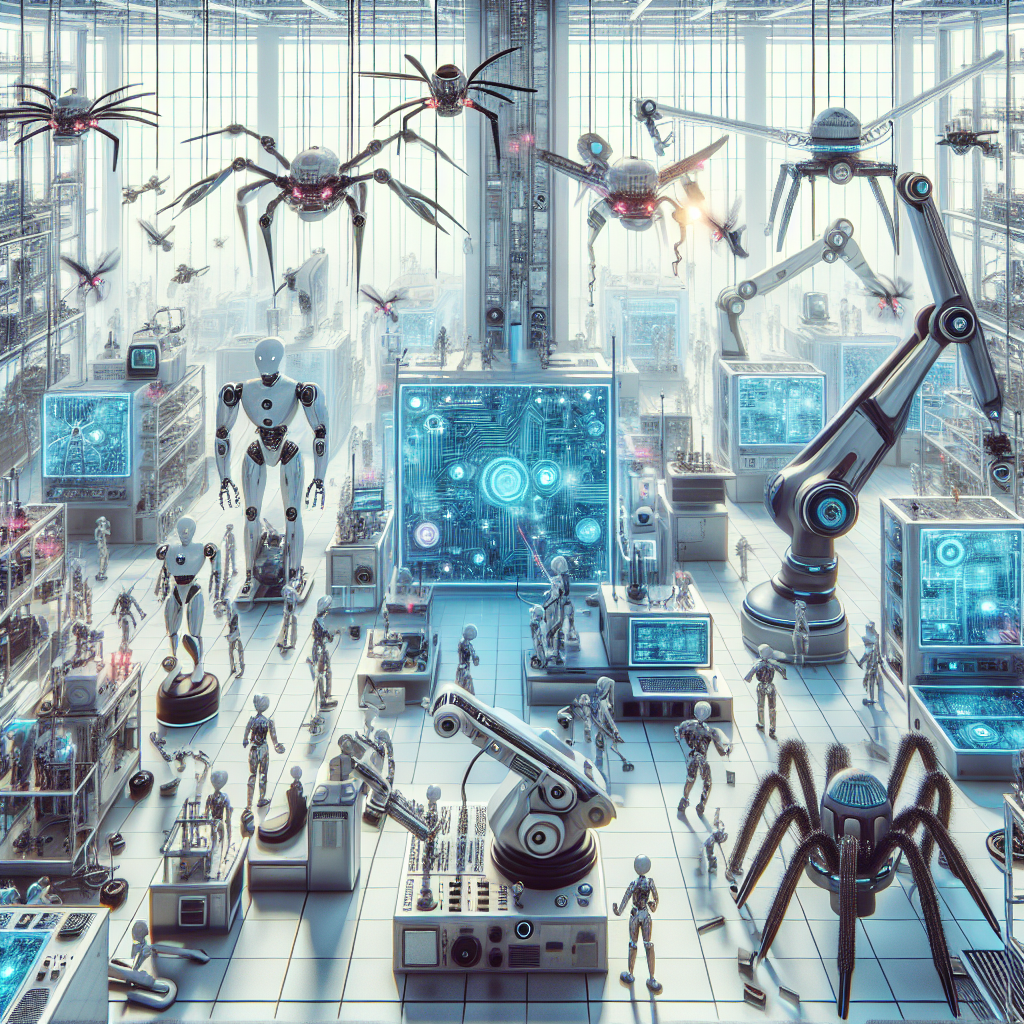
AI-driven solutions in robotics have been advancing rapidly in recent years, leading to significant advancements in various industries. From self-driving cars to robotic assistants, AI is revolutionizing the way we interact with machines. As we look to the future, the potential for AI-driven solutions in robotics seems limitless. In this article, we will explore the current state of AI-driven robotics and discuss the future implications of this technology.
Current State of AI-driven Solutions in Robotics
AI-driven solutions in robotics have already made a significant impact in various industries. One of the most notable examples is the use of AI in self-driving cars. Companies like Tesla, Google, and Uber have been developing autonomous vehicles that use AI algorithms to navigate roads and make decisions in real-time. These vehicles have the potential to revolutionize transportation by reducing accidents, traffic congestion, and carbon emissions.
In the healthcare industry, AI-driven robotics are being used to assist surgeons in performing complex procedures with greater precision and accuracy. Robots like the da Vinci Surgical System can perform minimally invasive surgeries with the help of AI algorithms that analyze data in real-time and provide recommendations to the surgeon.
AI-driven solutions are also being used in manufacturing to improve efficiency and productivity. Robots equipped with AI algorithms can perform repetitive tasks with greater speed and accuracy than human workers, leading to cost savings and increased output.
Future Implications of AI-driven Solutions in Robotics
As AI technology continues to evolve, the future implications of AI-driven solutions in robotics are vast. Here are some of the potential ways AI-driven robotics could impact various industries in the future:
1. Healthcare: AI-driven robots could revolutionize the healthcare industry by assisting doctors in diagnosing diseases, monitoring patients, and performing surgeries with greater precision. These robots could also help in providing care to elderly patients and individuals with disabilities.
2. Agriculture: AI-driven robots could be used in agriculture to automate tasks like planting, watering, and harvesting crops. These robots could help farmers increase productivity, reduce labor costs, and make farming more sustainable.
3. Retail: AI-driven robots could revolutionize the retail industry by providing personalized shopping experiences to customers. Robots equipped with AI algorithms could help customers find products, provide recommendations based on their preferences, and assist in checkout processes.
4. Construction: AI-driven robots could be used in construction to automate tasks like bricklaying, painting, and welding. These robots could help construction companies increase efficiency, reduce costs, and improve safety on job sites.
5. Space exploration: AI-driven robots could play a crucial role in space exploration by assisting astronauts in performing tasks on space missions. These robots could be used to explore uncharted territories, collect samples, and conduct experiments in space.
FAQs:
Q: What are the potential risks associated with AI-driven solutions in robotics?
A: One of the potential risks of AI-driven solutions in robotics is the possibility of job displacement. As robots become more advanced, they could potentially replace human workers in various industries, leading to unemployment. Additionally, there are concerns about the ethical implications of AI algorithms making decisions that could impact human lives.
Q: How can companies ensure the safety and security of AI-driven robots?
A: Companies can ensure the safety and security of AI-driven robots by implementing robust cybersecurity measures, conducting regular risk assessments, and providing training to employees on how to use and interact with these robots safely. Additionally, companies should adhere to regulations and guidelines set forth by regulatory bodies to ensure the ethical and responsible use of AI-driven robots.
Q: How can individuals prepare for the rise of AI-driven solutions in robotics?
A: Individuals can prepare for the rise of AI-driven solutions in robotics by acquiring skills that are in demand in industries that are likely to be impacted by this technology. This could include gaining knowledge in AI programming, robotics engineering, and data analysis. Additionally, individuals should stay informed about the latest developments in AI technology and how it is being used in various industries.