
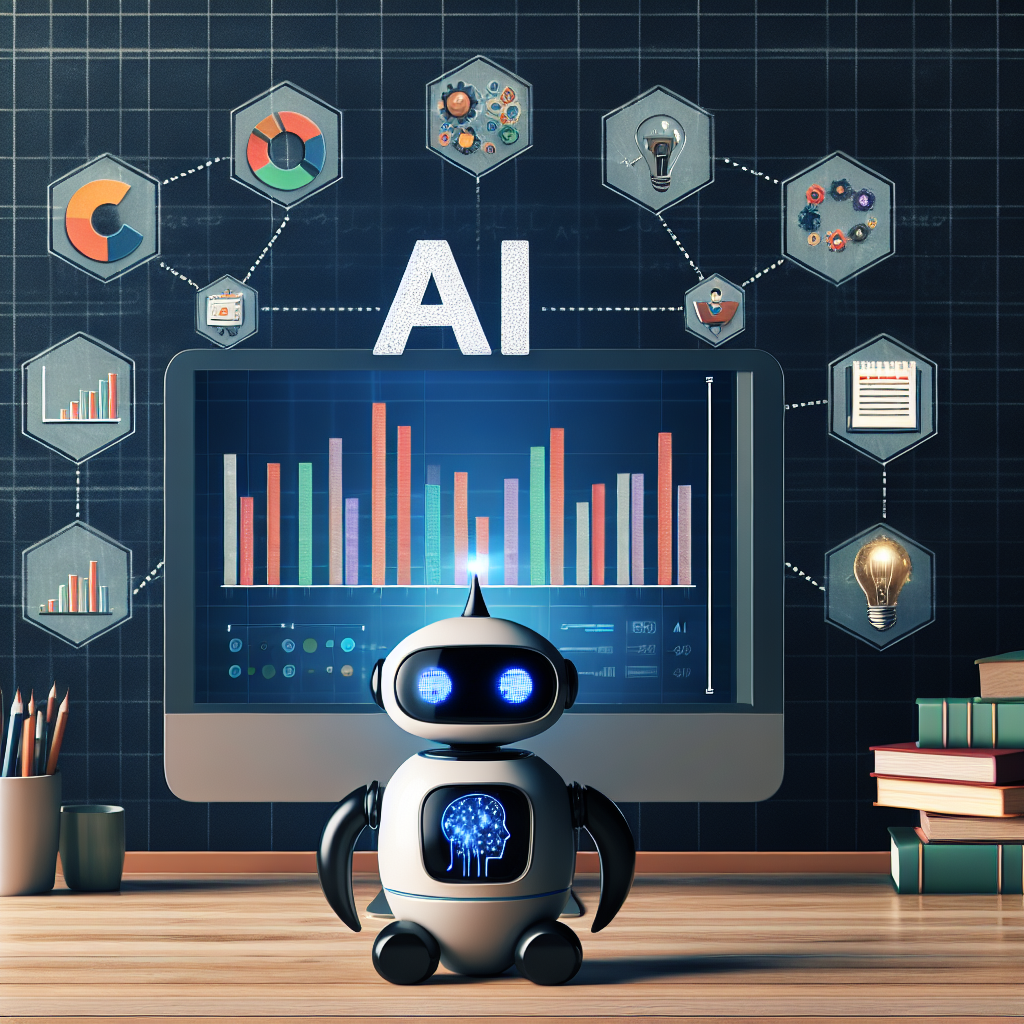
In recent years, the field of education has seen a rapid increase in the use of technology to enhance teaching and learning. One of the most exciting developments in this area is the use of artificial intelligence (AI) powered learning analytics. This new tool has the potential to revolutionize the way educators assess student progress, tailor instruction to individual needs, and improve overall learning outcomes.
What is AI-Powered Learning Analytics?
AI-powered learning analytics refers to the use of artificial intelligence technologies to analyze data related to student learning. This data can include information such as student performance on assessments, engagement with course materials, and interactions with learning platforms. By using AI algorithms to analyze this data, educators can gain valuable insights into student learning patterns, identify areas where students may be struggling, and provide targeted interventions to support student success.
How Does AI-Powered Learning Analytics Work?
AI-powered learning analytics works by collecting and analyzing data from a variety of sources, including student interactions with online learning platforms, assessments, and other educational materials. This data is then processed using AI algorithms to identify patterns and trends that can help educators better understand student learning behaviors.
For example, AI-powered learning analytics can be used to track how students are engaging with course materials, such as how much time they spend reading a textbook or watching lecture videos. This information can help educators identify students who may be struggling to stay engaged and provide additional support or resources to help them succeed.
In addition to tracking student engagement, AI-powered learning analytics can also be used to assess student performance on assessments. By analyzing data from quizzes, exams, and other assessments, educators can identify areas where students are struggling and adjust their instruction to better meet student needs.
Benefits of AI-Powered Learning Analytics for Educators
There are several benefits to using AI-powered learning analytics in the classroom. Some of the key advantages include:
1. Personalized Learning: AI-powered learning analytics can help educators tailor instruction to individual student needs by providing insights into how each student is learning. This can help educators identify areas where students may need additional support and provide targeted interventions to help them succeed.
2. Early Intervention: By analyzing data in real-time, educators can identify students who may be struggling early on and provide support before they fall behind. This can help improve overall student outcomes and reduce the risk of students failing or dropping out of courses.
3. Data-Driven Decision Making: AI-powered learning analytics provides educators with valuable insights into student learning behaviors and performance. This data can help educators make more informed decisions about instructional strategies, curriculum design, and student support services.
4. Improved Student Engagement: By tracking student engagement with course materials, educators can identify ways to increase student motivation and participation. This can lead to improved learning outcomes and a more positive learning experience for students.
5. Enhanced Efficiency: AI-powered learning analytics can help educators save time by automating the process of analyzing student data. This allows educators to focus more on teaching and less on administrative tasks, leading to a more efficient and effective learning environment.
FAQs
Q: Is AI-powered learning analytics secure?
A: Yes, AI-powered learning analytics systems are designed to protect student data and ensure privacy. Educators should work with their institution’s IT department to ensure that appropriate security measures are in place to safeguard student information.
Q: How can educators get started with AI-powered learning analytics?
A: Educators interested in using AI-powered learning analytics should start by familiarizing themselves with the technology and its potential applications in the classroom. They can also reach out to their institution’s IT department or educational technology specialists for guidance on implementing AI-powered learning analytics.
Q: Are there any ethical considerations to keep in mind when using AI-powered learning analytics?
A: Educators should be mindful of ethical considerations when using AI-powered learning analytics, such as ensuring that student data is used responsibly and in accordance with privacy regulations. Educators should also be transparent with students about how their data is being used and seek their consent when appropriate.
Q: What are some common challenges educators may face when implementing AI-powered learning analytics?
A: Some common challenges educators may face when implementing AI-powered learning analytics include data integration issues, lack of training and support, and concerns about the accuracy and reliability of AI algorithms. Educators should work closely with their institution’s IT department and educational technology specialists to address these challenges and ensure successful implementation.
In conclusion, AI-powered learning analytics is a powerful tool that can help educators improve student outcomes, personalize instruction, and enhance the overall learning experience. By leveraging the power of artificial intelligence to analyze student data, educators can gain valuable insights into student learning behaviors and make informed decisions to support student success. As this technology continues to evolve, educators should embrace AI-powered learning analytics as a valuable tool to enhance teaching and learning in the digital age.