
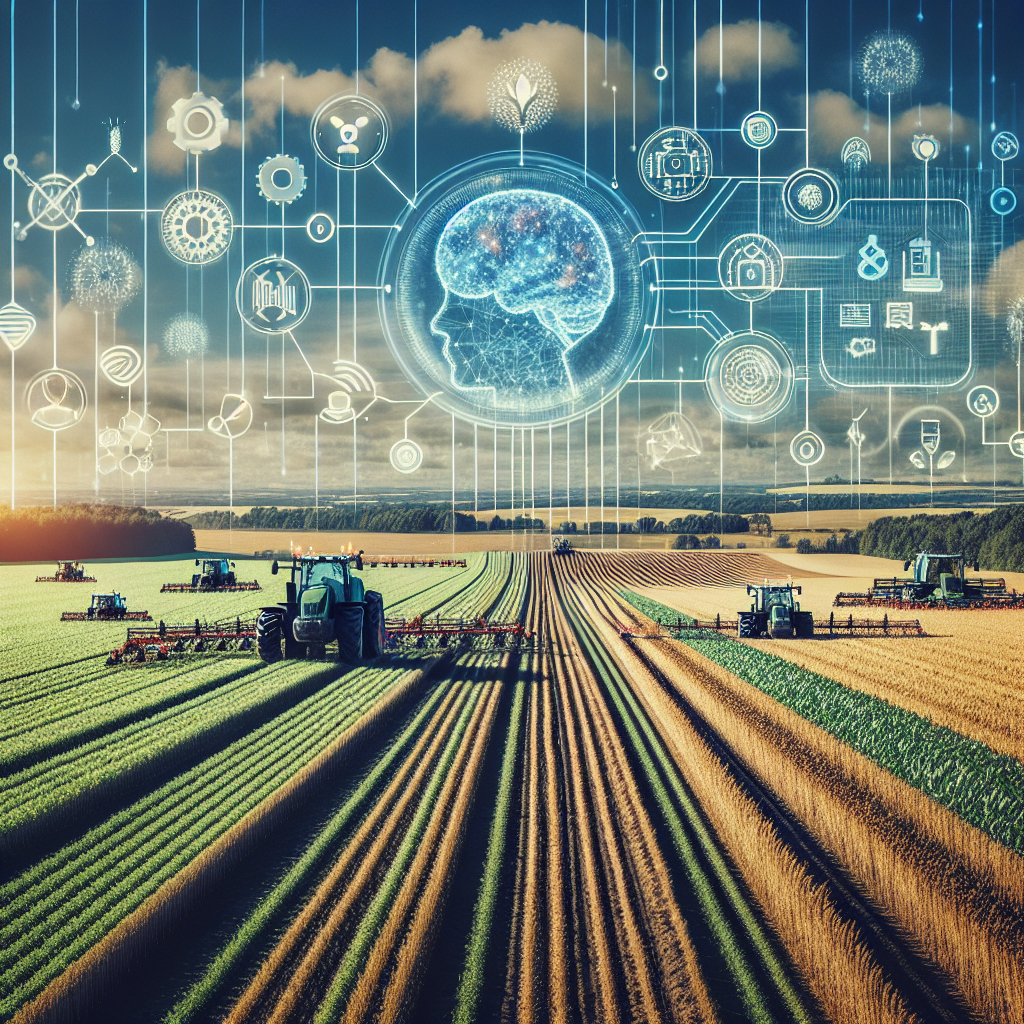
AI-Driven Precision Agriculture in Manufacturing
In recent years, the integration of artificial intelligence (AI) in agriculture has revolutionized the way farmers approach their operations. One area where AI has had a significant impact is in precision agriculture, which involves using technology to optimize the efficiency and productivity of farming practices. This article will explore how AI-driven precision agriculture is being applied in manufacturing, the benefits it offers, and the challenges that come with its implementation.
What is AI-Driven Precision Agriculture?
AI-driven precision agriculture is the use of AI technologies, such as machine learning and computer vision, to collect and analyze data from various sources in order to optimize farming operations. This data can include information about soil health, weather conditions, crop growth, and pest infestations. By analyzing this data, farmers can make more informed decisions about when to plant, irrigate, and harvest crops, leading to increased yields and reduced waste.
In manufacturing, AI-driven precision agriculture involves applying similar principles to optimize the production process. This can include using sensors to monitor equipment performance, analyzing data to predict potential breakdowns, and adjusting production schedules based on real-time information. By leveraging AI technologies, manufacturers can improve efficiency, reduce costs, and enhance product quality.
Benefits of AI-Driven Precision Agriculture in Manufacturing
There are several benefits to implementing AI-driven precision agriculture in manufacturing, including:
1. Increased Efficiency: By using AI to analyze data and optimize processes, manufacturers can reduce waste, improve resource utilization, and streamline production workflows. This leads to increased efficiency and lower costs.
2. Enhanced Product Quality: AI can help manufacturers identify potential issues before they occur, allowing them to make adjustments to ensure product quality. This can result in fewer defects and higher customer satisfaction.
3. Predictive Maintenance: AI-driven precision agriculture can be used to monitor equipment performance and predict when maintenance is needed. By addressing issues before they become critical, manufacturers can minimize downtime and costly repairs.
4. Sustainability: AI technologies can help manufacturers reduce their environmental impact by optimizing resource use, reducing waste, and minimizing energy consumption. This can lead to more sustainable practices and lower carbon emissions.
Challenges of AI-Driven Precision Agriculture in Manufacturing
While AI-driven precision agriculture offers many benefits, there are also challenges that manufacturers may face when implementing these technologies. Some of the key challenges include:
1. Data Privacy and Security: Collecting and analyzing large amounts of data can raise concerns about privacy and security. Manufacturers must ensure that sensitive information is protected and that data is handled in compliance with regulations.
2. Complexity: Implementing AI-driven precision agriculture can be complex and require specialized expertise. Manufacturers may need to invest in training employees or hiring external consultants to help with implementation.
3. Integration: Integrating AI technologies with existing systems and processes can be challenging. Manufacturers must ensure that these technologies work seamlessly with other tools and platforms to maximize their effectiveness.
4. Cost: While AI-driven precision agriculture can lead to cost savings in the long run, the initial investment can be significant. Manufacturers must weigh the upfront costs against the potential benefits to determine if the investment is worthwhile.
Frequently Asked Questions about AI-Driven Precision Agriculture in Manufacturing
Q: How can AI technologies improve crop yields in manufacturing?
A: AI technologies can analyze data from sensors and other sources to optimize planting, irrigation, and harvesting practices. By making data-driven decisions, manufacturers can increase crop yields and reduce waste.
Q: What are some examples of AI-driven precision agriculture technologies in manufacturing?
A: Examples of AI-driven precision agriculture technologies include drones for monitoring crops, sensors for tracking soil health, and machine learning algorithms for predicting equipment failures.
Q: How can manufacturers ensure the security of data collected through AI-driven precision agriculture?
A: Manufacturers can implement encryption, access controls, and other security measures to protect data collected through AI-driven precision agriculture. It is also important to comply with data protection regulations to ensure the privacy of sensitive information.
Q: What are the key considerations for manufacturers when implementing AI-driven precision agriculture?
A: Manufacturers should consider factors such as data privacy, complexity, integration with existing systems, and cost when implementing AI-driven precision agriculture. It is important to carefully plan and evaluate the potential benefits and challenges before investing in these technologies.
In conclusion, AI-driven precision agriculture offers significant benefits for manufacturers looking to optimize their production processes. By leveraging AI technologies to collect and analyze data, manufacturers can increase efficiency, enhance product quality, and reduce costs. While there are challenges to implementing these technologies, the potential rewards make it a worthwhile investment for companies looking to stay competitive in the manufacturing industry.