
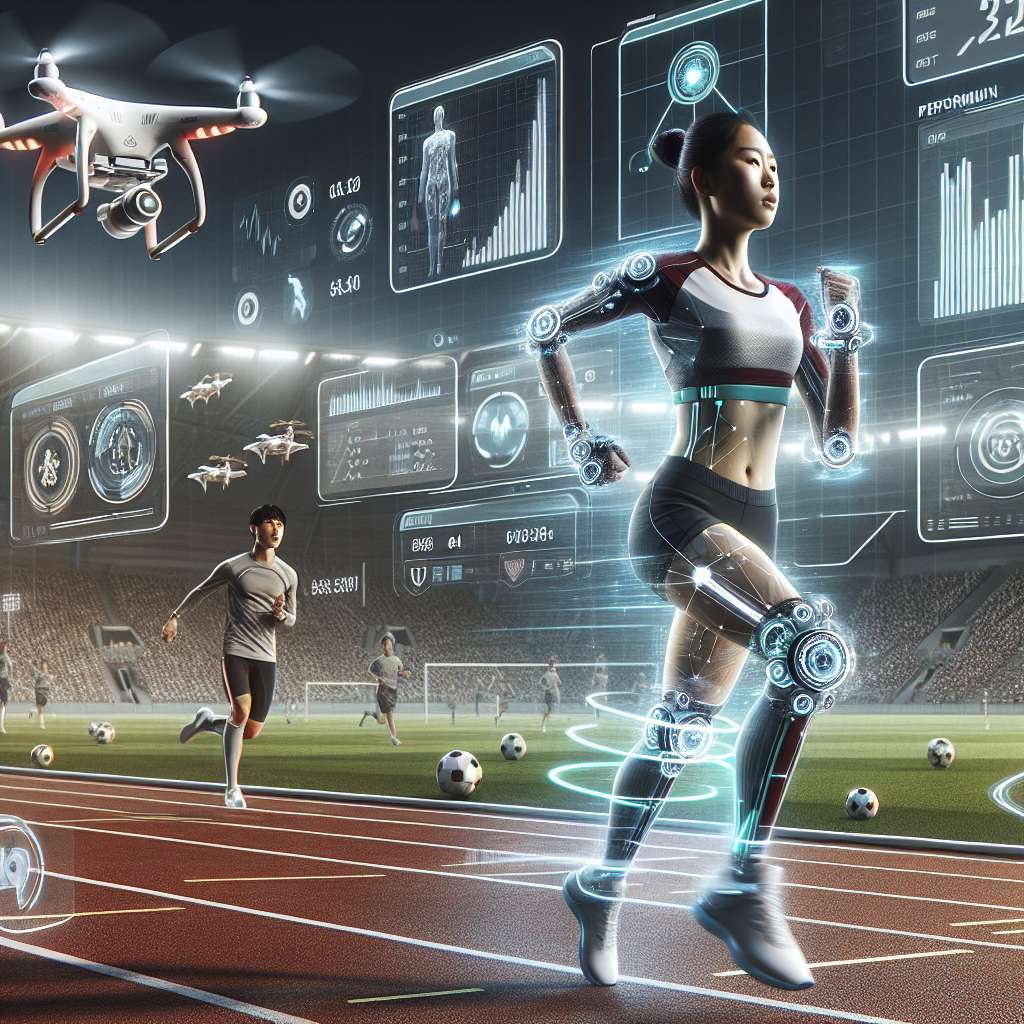
Artificial Intelligence (AI) has been revolutionizing various industries, and sports training programs are no exception. The use of AI in sports training has significantly enhanced the performance of athletes by providing personalized training programs, real-time feedback, and predictive analytics. In this article, we will explore how AI is redefining sports training programs and the impact it is having on athletes and coaches.
AI in Sports Training Programs
AI technology has been integrated into sports training programs in various ways to improve the overall performance of athletes. One of the key areas where AI is making a significant impact is in the analysis of athletes’ performance data. By collecting and analyzing data from sensors, wearables, and video footage, AI can provide insights into an athlete’s strengths and weaknesses, as well as identify areas for improvement.
AI-powered algorithms can analyze vast amounts of data in real-time, allowing coaches to make data-driven decisions on training strategies and tactics. This real-time analysis enables coaches to adjust training programs on the fly, based on the athlete’s performance and feedback.
Another way AI is redefining sports training programs is through the use of virtual reality (VR) and augmented reality (AR) technology. VR and AR can simulate game scenarios and provide immersive training experiences for athletes. By using VR and AR technology, athletes can practice in a virtual environment that closely mimics real-game situations, helping them improve their decision-making skills and reaction times.
AI can also help athletes monitor their training progress and recovery. By analyzing data from wearables and sensors, AI can provide personalized training programs and recovery plans based on an athlete’s performance metrics. This personalized approach to training can help athletes optimize their performance and reduce the risk of injuries.
Furthermore, AI can assist coaches in creating customized training programs for individual athletes. By analyzing performance data and physiological metrics, AI can recommend specific exercises, drills, and recovery strategies tailored to an athlete’s needs and goals. This personalized approach to training can help athletes reach their full potential and achieve peak performance.
Impact on Athletes and Coaches
The integration of AI into sports training programs has had a profound impact on athletes and coaches. For athletes, AI has provided personalized training programs that are tailored to their specific needs and goals. By analyzing performance data and providing real-time feedback, AI has helped athletes improve their skills, enhance their performance, and reduce the risk of injuries.
AI has also enabled athletes to track their progress and monitor their training intensity, helping them optimize their training programs and recovery strategies. By using AI-powered wearables and sensors, athletes can get real-time feedback on their performance metrics, such as heart rate, speed, and distance covered, allowing them to make adjustments to their training programs as needed.
For coaches, AI has revolutionized the way they analyze performance data and develop training programs. By leveraging AI-powered algorithms, coaches can gain valuable insights into an athlete’s strengths and weaknesses, as well as identify trends and patterns in their performance data. This data-driven approach to coaching enables coaches to create customized training programs that are tailored to each athlete’s needs and goals.
AI has also helped coaches optimize their training strategies and tactics by providing real-time analysis of an athlete’s performance. By using AI to analyze data from wearables and sensors, coaches can make data-driven decisions on training intensity, load management, and recovery strategies. This real-time analysis allows coaches to adjust training programs on the fly, based on the athlete’s performance and feedback.
Furthermore, AI has improved communication and collaboration between athletes and coaches. By using AI-powered platforms and apps, athletes and coaches can share performance data, training programs, and feedback in real-time, allowing for more effective coaching and training sessions. This seamless integration of AI technology has enhanced the overall training experience for athletes and coaches, leading to improved performance and results.
FAQs
Q: How is AI used in sports training programs?
A: AI is used in sports training programs to analyze performance data, provide personalized training programs, offer real-time feedback, and optimize training strategies. By leveraging AI technology, athletes and coaches can enhance performance, improve decision-making skills, and reduce the risk of injuries.
Q: What are the benefits of using AI in sports training programs?
A: The benefits of using AI in sports training programs include personalized training programs, real-time feedback, predictive analytics, improved performance, reduced risk of injuries, and enhanced communication between athletes and coaches. AI technology can help athletes reach their full potential and achieve peak performance.
Q: How does AI help athletes monitor their training progress?
A: AI helps athletes monitor their training progress by analyzing data from wearables and sensors. By tracking performance metrics such as heart rate, speed, and distance covered, AI can provide athletes with real-time feedback on their training intensity and recovery. This data-driven approach to training can help athletes optimize their performance and reach their training goals.
Q: How does AI assist coaches in developing training programs?
A: AI assists coaches in developing training programs by analyzing performance data, identifying trends and patterns, and providing personalized recommendations. By leveraging AI-powered algorithms, coaches can create customized training programs that are tailored to each athlete’s needs and goals. This data-driven approach to coaching enables coaches to optimize training strategies and tactics, leading to improved performance and results.
Conclusion
AI is redefining sports training programs by providing personalized training programs, real-time feedback, and predictive analytics. The integration of AI technology into sports training programs has had a profound impact on athletes and coaches, enabling them to enhance performance, optimize training strategies, and improve communication and collaboration. As AI continues to evolve and advance, we can expect to see even more innovative applications of AI in sports training programs, leading to improved performance and results for athletes and coaches alike.