
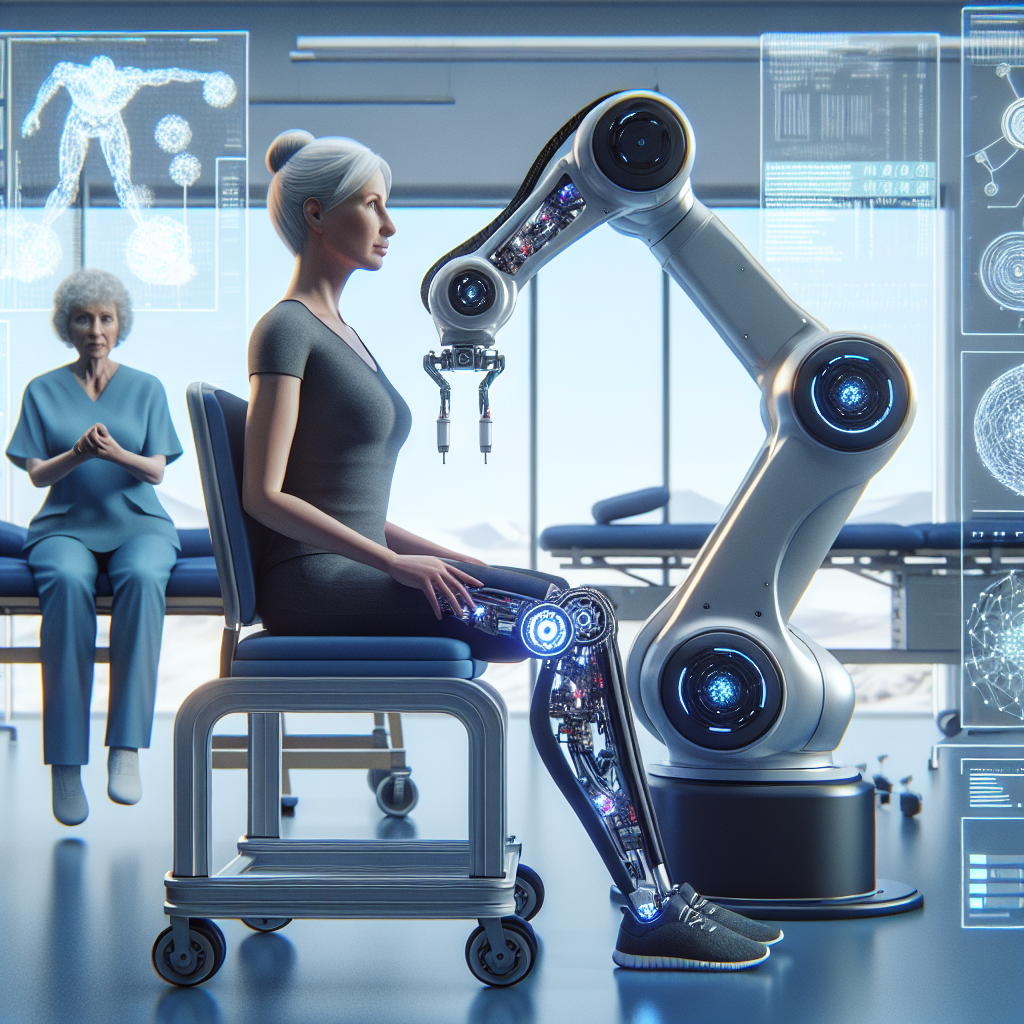
AI and Robotics in Rehabilitation Therapy
Introduction:
In recent years, the use of artificial intelligence (AI) and robotics in rehabilitation therapy has gained significant attention and popularity. These technologies have the potential to revolutionize the way we approach rehabilitation for individuals with physical disabilities or injuries. By combining the power of AI and robotics, therapists can provide more personalized and effective therapy programs, leading to better outcomes for patients.
AI in Rehabilitation Therapy:
Artificial intelligence has the ability to analyze large amounts of data and identify patterns that can help therapists in designing personalized treatment plans for their patients. AI can also help in monitoring the progress of patients in real-time, allowing therapists to make adjustments to the treatment plan as needed. This can lead to more efficient and effective rehabilitation programs that can speed up the recovery process for patients.
One of the key advantages of AI in rehabilitation therapy is its ability to provide personalized feedback to patients. AI-powered devices can monitor a patient’s movements during therapy sessions and provide instant feedback on their performance. This can help patients improve their movements and reduce the risk of injury during therapy sessions.
Another way AI can be used in rehabilitation therapy is through virtual reality (VR) technology. VR can create immersive environments that can help patients engage in their therapy sessions more effectively. For example, VR can be used to simulate real-life scenarios that patients may encounter in their daily lives, helping them practice their movements in a safe and controlled environment.
Robotics in Rehabilitation Therapy:
Robotics technology has also been making significant advancements in the field of rehabilitation therapy. Robots can assist therapists in providing physical support to patients during therapy sessions, allowing them to perform exercises that may be too difficult or strenuous to do on their own. This can help patients improve their strength and range of motion more effectively.
Robots can also be used to provide repetitive and consistent movements during therapy sessions, which can be beneficial for patients recovering from injuries or surgeries. By automating certain aspects of therapy, robots can help therapists focus on more complex and individualized aspects of treatment.
One of the key advantages of robotics in rehabilitation therapy is its ability to provide consistent and precise movements during therapy sessions. This can help patients improve their coordination and balance, leading to better overall outcomes in their rehabilitation process.
FAQs:
1. How can AI and robotics improve rehabilitation therapy outcomes?
AI and robotics can improve rehabilitation therapy outcomes by providing personalized treatment plans, real-time feedback, and consistent movements during therapy sessions. These technologies can help therapists design more effective treatment programs for their patients, leading to faster recovery times and better overall outcomes.
2. Are AI and robotics replacing human therapists in rehabilitation therapy?
AI and robotics are not replacing human therapists in rehabilitation therapy. Instead, these technologies are being used to augment the skills and abilities of therapists, allowing them to provide more personalized and effective treatment programs for their patients. Human therapists are still essential in providing the emotional support and guidance that patients need during their rehabilitation process.
3. What are some examples of AI and robotics in rehabilitation therapy?
Some examples of AI and robotics in rehabilitation therapy include AI-powered devices that provide real-time feedback to patients during therapy sessions, robots that assist therapists in providing physical support to patients, and VR technology that creates immersive environments for patients to engage in therapy sessions. These technologies are helping to revolutionize the way we approach rehabilitation for individuals with physical disabilities or injuries.
4. How can patients benefit from AI and robotics in rehabilitation therapy?
Patients can benefit from AI and robotics in rehabilitation therapy by receiving personalized treatment plans, real-time feedback on their performance, and consistent movements during therapy sessions. These technologies can help patients improve their strength, range of motion, coordination, and balance, leading to better overall outcomes in their rehabilitation process.
5. What are some challenges associated with the use of AI and robotics in rehabilitation therapy?
Some challenges associated with the use of AI and robotics in rehabilitation therapy include the high cost of these technologies, the need for specialized training for therapists to use them effectively, and concerns about patient privacy and data security. It is important for healthcare providers to carefully consider these challenges and implement appropriate safeguards to ensure the safe and effective use of AI and robotics in rehabilitation therapy.
Conclusion:
AI and robotics have the potential to revolutionize the way we approach rehabilitation therapy for individuals with physical disabilities or injuries. By combining the power of AI and robotics, therapists can provide more personalized and effective treatment programs, leading to better outcomes for patients. These technologies can help patients improve their strength, range of motion, coordination, and balance, leading to faster recovery times and better overall outcomes in their rehabilitation process. As the field of AI and robotics continues to advance, we can expect to see even more innovative and effective solutions for rehabilitation therapy in the future.