
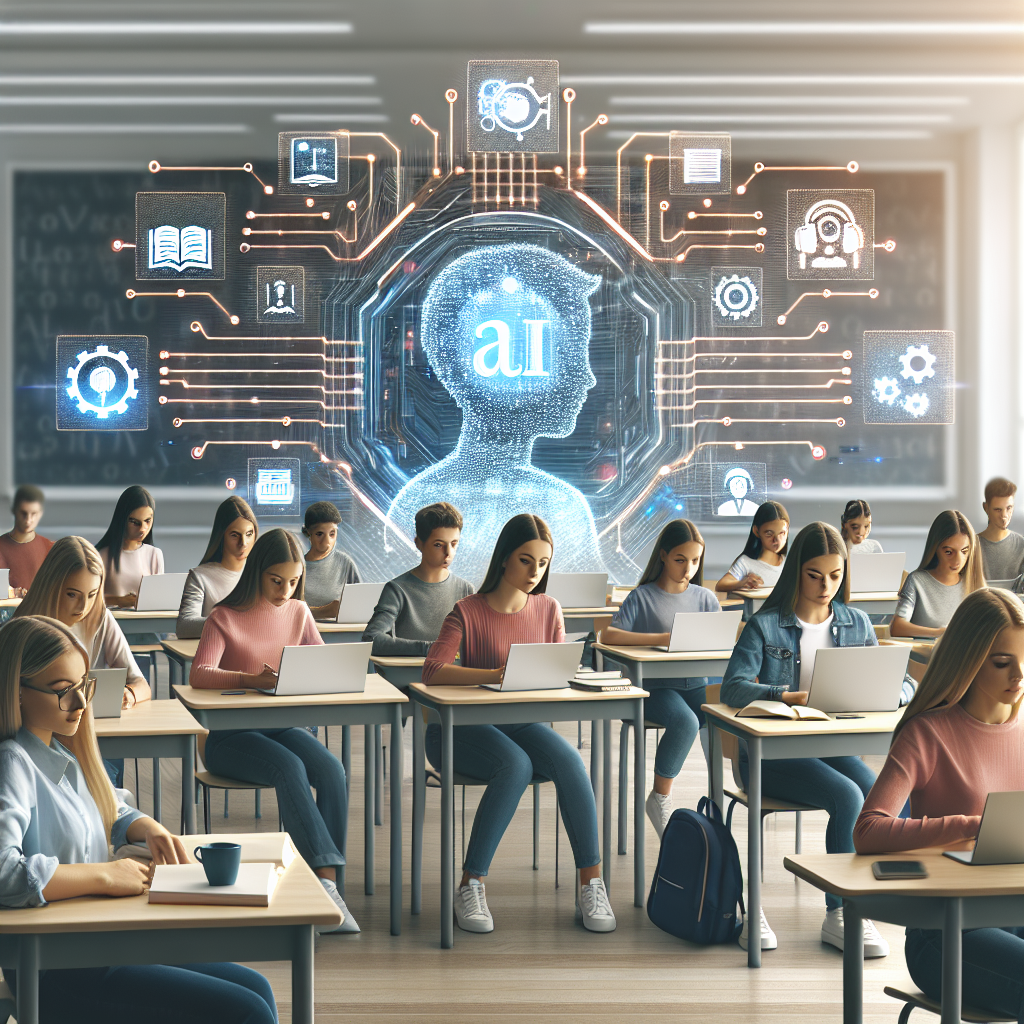
In recent years, the use of artificial intelligence (AI) in education has been gaining popularity as a way to enhance personalized instruction and improve learning outcomes for students. AI-driven solutions have the potential to revolutionize the way students learn by providing personalized, adaptive learning experiences that cater to individual needs and preferences.
One of the key advantages of using AI in education is its ability to provide personalized instruction tailored to each student’s unique learning style, pace, and abilities. AI algorithms can analyze student data, such as performance on assessments, learning preferences, and strengths and weaknesses, to create personalized learning paths that address each student’s specific needs. This personalized approach can help students stay engaged, motivated, and focused on their learning goals, ultimately leading to improved academic performance.
AI-driven solutions can also help teachers better understand their students’ learning needs and provide targeted support and interventions. By analyzing student data in real-time, AI can identify students who are struggling with certain concepts or topics and provide additional resources, support, or guidance to help them overcome these challenges. This proactive approach to intervention can help prevent students from falling behind and ensure that they receive the support they need to succeed.
Furthermore, AI can also help teachers optimize their teaching strategies by providing insights into student progress, engagement levels, and learning outcomes. By analyzing data on student performance, AI can identify patterns and trends that can inform instructional decisions, such as adjusting lesson plans, providing additional practice opportunities, or offering targeted feedback to individual students. This data-driven approach can help teachers make more informed decisions about how to best support their students and improve learning outcomes.
In addition to personalized instruction and teacher support, AI-driven solutions can also enhance the overall learning experience for students by providing interactive and engaging learning activities. For example, AI-powered virtual tutors can simulate real-life conversations with students, provide instant feedback on their responses, and adapt the conversation based on the student’s progress and performance. This interactive approach to learning can help students develop their communication skills, critical thinking abilities, and problem-solving skills in a fun and engaging way.
Overall, the integration of AI-driven solutions in education has the potential to transform the way students learn, teachers teach, and schools operate. By providing personalized instruction, targeted interventions, and interactive learning experiences, AI can help students achieve their full potential and succeed academically.
FAQs:
1. How does AI personalize instruction for students?
AI analyzes student data, such as performance on assessments, learning preferences, and strengths and weaknesses, to create personalized learning paths that cater to each student’s individual needs and preferences.
2. How can AI help teachers support their students?
AI can analyze student data in real-time to identify students who are struggling with certain concepts or topics and provide targeted support, resources, or interventions to help them succeed.
3. How does AI enhance the overall learning experience for students?
AI-powered solutions can provide interactive and engaging learning activities, such as virtual tutors that simulate real-life conversations with students and provide instant feedback and adaptive learning experiences based on student performance.
4. What are some of the benefits of using AI in education?
Some benefits of using AI in education include personalized instruction, targeted interventions, improved learning outcomes, optimized teaching strategies, and enhanced engagement and motivation for students.
5. How can schools and educators integrate AI into their teaching practices?
Schools and educators can integrate AI into their teaching practices by implementing AI-driven solutions, such as virtual tutors, adaptive learning platforms, and data analytics tools, to provide personalized instruction and support for students.