
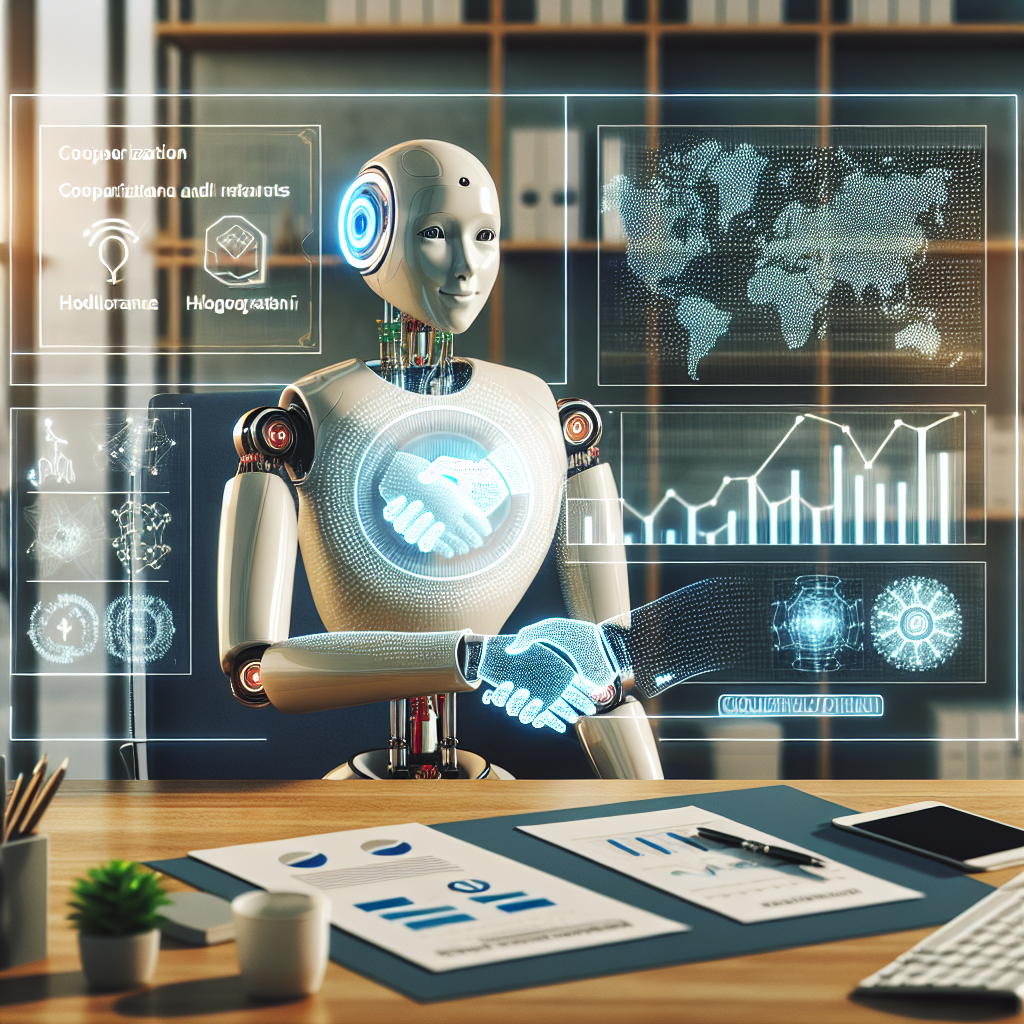
In recent years, Artificial Intelligence (AI) and Machine Learning (ML) have revolutionized the way businesses operate in various industries. One area where AI and ML are making a significant impact is in Human Resources (HR). These technologies are changing the way HR departments recruit, retain, and develop talent, ultimately leading to more efficient and effective workforce management.
The Role of AI and Machine Learning in Human Resources
1. Recruitment and Selection
AI and ML algorithms can analyze large volumes of data from resumes, applications, and social media profiles to identify the best candidates for a job. These technologies can help HR departments streamline the recruitment process by automatically screening applicants, conducting initial interviews, and assessing candidates’ skills and qualifications. This not only saves time and resources but also ensures that the most qualified candidates are selected for the job.
2. Employee Engagement and Retention
AI and ML can also play a crucial role in improving employee engagement and retention. These technologies can analyze employee data, such as performance reviews, feedback, and engagement surveys, to identify patterns and trends that may indicate potential issues or areas for improvement. HR departments can use this information to develop targeted strategies to boost employee engagement and reduce turnover.
3. Training and Development
AI and ML can personalize training and development programs for employees based on their individual learning styles, preferences, and performance. These technologies can analyze employee data to identify gaps in skills and knowledge and recommend specific training programs or courses to address these areas. This personalized approach to training can help employees develop new skills and advance their careers, ultimately leading to a more skilled and engaged workforce.
4. Performance Management
AI and ML can automate the performance management process by analyzing employee data, feedback, and performance metrics to provide real-time insights into employee performance. These technologies can help HR departments identify top performers, assess performance trends, and provide targeted feedback and coaching to employees. This data-driven approach to performance management can help organizations improve productivity, increase employee satisfaction, and drive business growth.
5. Diversity and Inclusion
AI and ML can help HR departments promote diversity and inclusion in the workplace by analyzing data on employee demographics, hiring practices, and promotion rates. These technologies can identify biases and disparities in the workforce and recommend strategies to address them. By leveraging AI and ML, HR departments can create a more diverse and inclusive workplace that fosters innovation, collaboration, and employee engagement.
FAQs
1. How can AI and ML help HR departments improve recruitment and selection processes?
AI and ML algorithms can analyze large volumes of data to identify the best candidates for a job, streamline the recruitment process, and ensure that the most qualified candidates are selected for the job.
2. How can AI and ML improve employee engagement and retention?
AI and ML can analyze employee data to identify patterns and trends that may indicate potential issues or areas for improvement, allowing HR departments to develop targeted strategies to boost employee engagement and reduce turnover.
3. How can AI and ML personalize training and development programs for employees?
AI and ML can analyze employee data to identify gaps in skills and knowledge and recommend specific training programs or courses to address these areas, helping employees develop new skills and advance their careers.
4. How can AI and ML automate the performance management process?
AI and ML can analyze employee data, feedback, and performance metrics to provide real-time insights into employee performance, helping HR departments identify top performers, assess performance trends, and provide targeted feedback and coaching to employees.
5. How can AI and ML help HR departments promote diversity and inclusion in the workplace?
AI and ML can analyze data on employee demographics, hiring practices, and promotion rates to identify biases and disparities in the workforce and recommend strategies to address them, creating a more diverse and inclusive workplace.
In conclusion, AI and ML are transforming the way HR departments operate by enabling them to make data-driven decisions, personalize employee experiences, and drive business growth. By leveraging these technologies, HR departments can improve recruitment and selection processes, boost employee engagement and retention, enhance training and development programs, automate performance management processes, and promote diversity and inclusion in the workplace. As AI and ML continue to evolve, the role of these technologies in HR will only become more critical in shaping the future of work.