
The Impact of AI in Home Healthcare Services
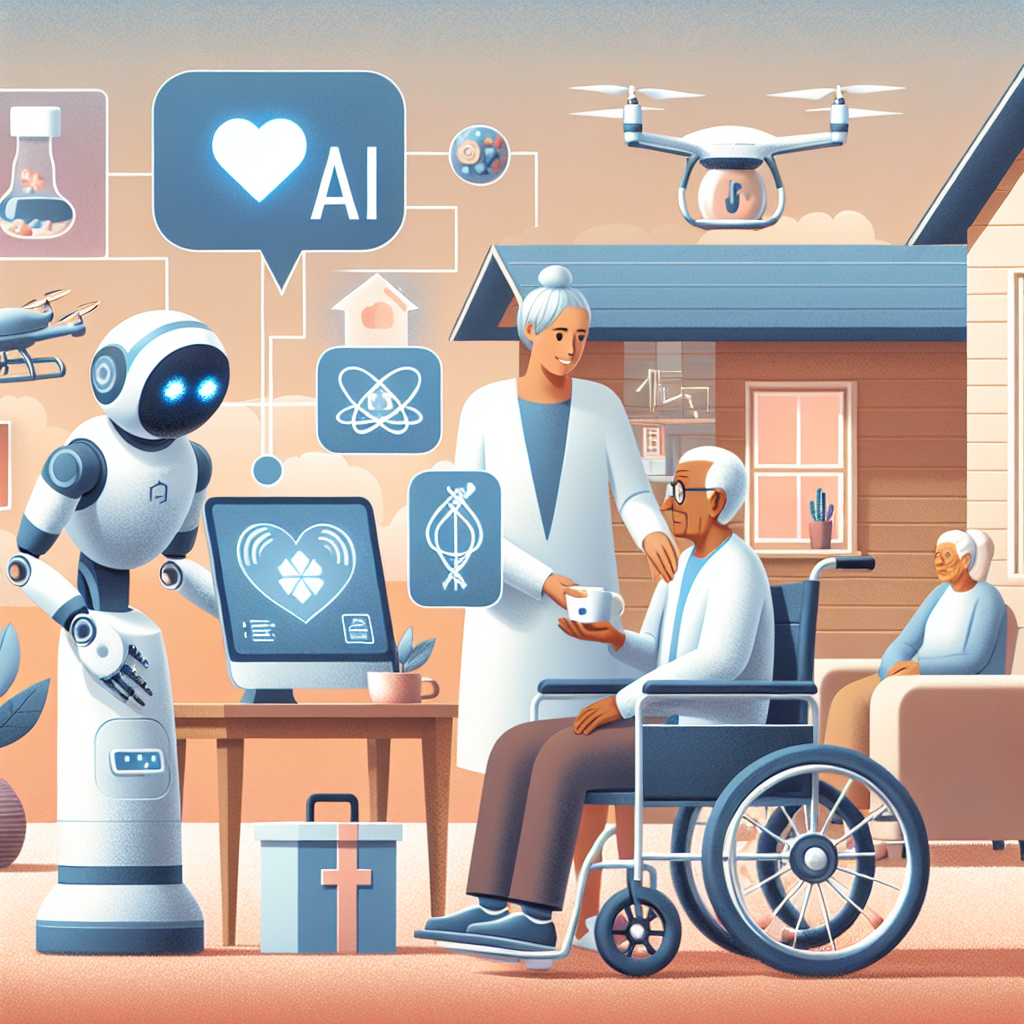
Artificial intelligence (AI) has revolutionized many industries, including healthcare. In recent years, AI has started to make its mark in home healthcare services as well. From remote monitoring to personalized care plans, AI is changing the way patients receive care in the comfort of their own homes. In this article, we will explore the impact of AI in home healthcare services and how it is benefiting both patients and healthcare providers.
Remote Monitoring
One of the key benefits of AI in home healthcare services is remote monitoring. AI-powered devices and sensors can track a patient’s vital signs, medication adherence, and other health metrics in real-time. This allows healthcare providers to monitor patients from a distance and intervene quickly if any issues arise. Remote monitoring is especially beneficial for elderly patients or those with chronic conditions who require regular monitoring but may not be able to visit a healthcare facility frequently.
Personalized Care Plans
AI algorithms can analyze large amounts of patient data to create personalized care plans tailored to each individual’s needs. These care plans take into account the patient’s medical history, lifestyle, and preferences to provide the best possible care. By using AI to create personalized care plans, healthcare providers can improve patient outcomes and reduce the risk of hospital readmissions.
Predictive Analytics
AI can also be used to predict potential health issues before they occur. By analyzing patient data, AI algorithms can identify patterns and trends that may indicate a future health problem. Healthcare providers can then intervene proactively to prevent the issue from escalating. This is particularly useful for patients with chronic conditions or those at high risk of developing certain health problems.
Efficient Resource Allocation
AI can help healthcare providers allocate resources more efficiently. By analyzing data on patient outcomes, AI algorithms can identify areas where resources are being underutilized or where additional resources are needed. This allows healthcare providers to optimize their resources and provide better care to patients.
Improved Decision Making
AI can assist healthcare providers in making better decisions. By analyzing large amounts of data, AI algorithms can provide insights and recommendations to help healthcare providers make informed decisions about patient care. This can lead to better outcomes for patients and more efficient use of resources.
Challenges and Concerns
While AI has the potential to revolutionize home healthcare services, there are also challenges and concerns that need to be addressed. One of the main concerns is the privacy and security of patient data. Healthcare providers must ensure that patient data is protected and that AI algorithms comply with privacy regulations.
Another challenge is the need for healthcare providers to be trained in using AI technology effectively. Healthcare providers must be able to understand and interpret the data provided by AI algorithms in order to make informed decisions about patient care.
FAQs
Q: How does AI improve patient outcomes in home healthcare services?
A: AI can analyze patient data to create personalized care plans, predict potential health issues, and assist healthcare providers in making better decisions. By providing insights and recommendations, AI can help improve patient outcomes and reduce the risk of hospital readmissions.
Q: Is AI in home healthcare services secure?
A: Healthcare providers must ensure that patient data is protected and that AI algorithms comply with privacy regulations. By implementing strong security measures, healthcare providers can ensure the privacy and security of patient data.
Q: How can healthcare providers be trained in using AI technology?
A: Healthcare providers can undergo training programs to learn how to effectively use AI technology in home healthcare services. By understanding and interpreting the data provided by AI algorithms, healthcare providers can make informed decisions about patient care.
In conclusion, AI is making a significant impact on home healthcare services by improving remote monitoring, creating personalized care plans, predicting potential health issues, and assisting healthcare providers in making better decisions. While there are challenges and concerns that need to be addressed, the benefits of AI in home healthcare services are clear. As AI technology continues to advance, we can expect to see even greater improvements in patient care and outcomes in the future.