
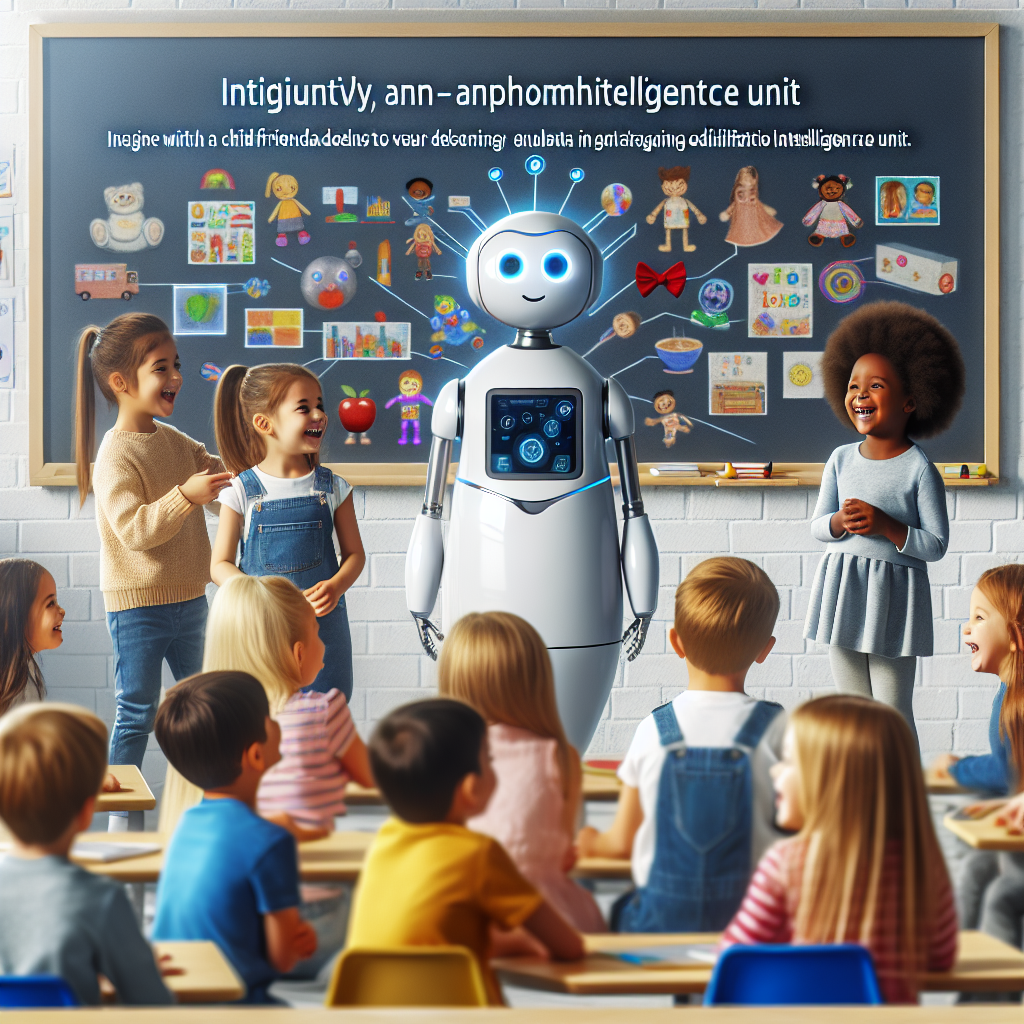
The Benefits of AI in Early Childhood Education
Artificial Intelligence (AI) is revolutionizing the way we live and work, and its impact is being felt in the field of education as well. In particular, AI is being increasingly used in early childhood education to enhance learning experiences and provide personalized instruction to young learners. In this article, we will explore the benefits of AI in early childhood education and how it is transforming the way children learn and develop.
1. Personalized Learning
One of the key benefits of AI in early childhood education is its ability to provide personalized learning experiences for each child. AI algorithms can analyze a child’s learning patterns, strengths, and weaknesses, and tailor instruction to meet their individual needs. This personalized approach helps children learn at their own pace and in a way that is most effective for them, leading to better learning outcomes.
2. Adaptive Learning
AI-powered educational tools can adapt to a child’s level of understanding and provide appropriate challenges to help them progress. This adaptive learning approach ensures that children are always engaged and challenged, without feeling overwhelmed or bored. By adjusting the difficulty level of tasks and activities based on a child’s performance, AI helps children stay motivated and continue to learn and grow.
3. Enhanced Engagement
AI-powered learning tools often use interactive and engaging interfaces to capture children’s attention and keep them interested in learning. By incorporating elements such as games, quizzes, and multimedia content, AI makes learning fun and engaging for young learners. This increased engagement can lead to better retention of information and a more positive attitude towards learning.
4. Real-time Feedback
AI can provide instant feedback to children on their performance, allowing them to track their progress and make improvements in real time. This immediate feedback helps children understand their strengths and weaknesses, and motivates them to work harder to achieve their learning goals. By providing feedback on a child’s performance, AI encourages self-reflection and self-improvement, fostering a growth mindset in young learners.
5. Accessibility and Inclusivity
AI-powered educational tools can make learning more accessible and inclusive for all children, regardless of their background or abilities. By providing personalized instruction and adapting to individual needs, AI helps children with diverse learning styles and abilities succeed in the classroom. This inclusive approach to education ensures that all children have the opportunity to learn and grow, regardless of any barriers they may face.
6. Teacher Support
AI can also support teachers in the classroom by providing them with valuable insights into each child’s learning progress and performance. By analyzing data on student performance, AI can help teachers identify areas where children may need additional support or intervention. This information allows teachers to tailor their instruction to meet the needs of each child, leading to more effective teaching and learning outcomes.
7. Cost-effective Learning
AI-powered educational tools can be a cost-effective solution for early childhood education, as they can provide personalized instruction and support to children at a fraction of the cost of traditional classroom-based instruction. By leveraging AI technology, schools and educators can reach more children and provide them with high-quality learning experiences, without incurring additional costs. This cost-effective approach to education ensures that all children have access to the resources they need to succeed in school.
FAQs
Q: Is AI safe for young children to use in education?
A: Yes, AI-powered educational tools are designed to be safe and age-appropriate for young children. These tools are developed with child safety and privacy in mind, and adhere to strict guidelines to ensure that children’s data is protected and their online experiences are secure.
Q: Will AI replace teachers in early childhood education?
A: No, AI is not intended to replace teachers in the classroom, but rather to support and enhance their work. Teachers play a critical role in guiding and supporting children’s learning, and AI can help them provide personalized instruction and support to each child.
Q: How can parents support their children’s learning with AI?
A: Parents can support their children’s learning with AI by encouraging them to use educational apps and games that incorporate AI technology. By engaging in learning activities together and discussing their child’s progress, parents can help reinforce the lessons learned in the classroom and promote a love of learning.
In conclusion, AI has the potential to revolutionize early childhood education by providing personalized instruction, adaptive learning experiences, enhanced engagement, real-time feedback, accessibility, inclusivity, teacher support, and cost-effective learning solutions. By leveraging AI technology in the classroom, educators can create a more engaging and effective learning environment for young children, helping them develop the skills and knowledge they need to succeed in school and beyond.