
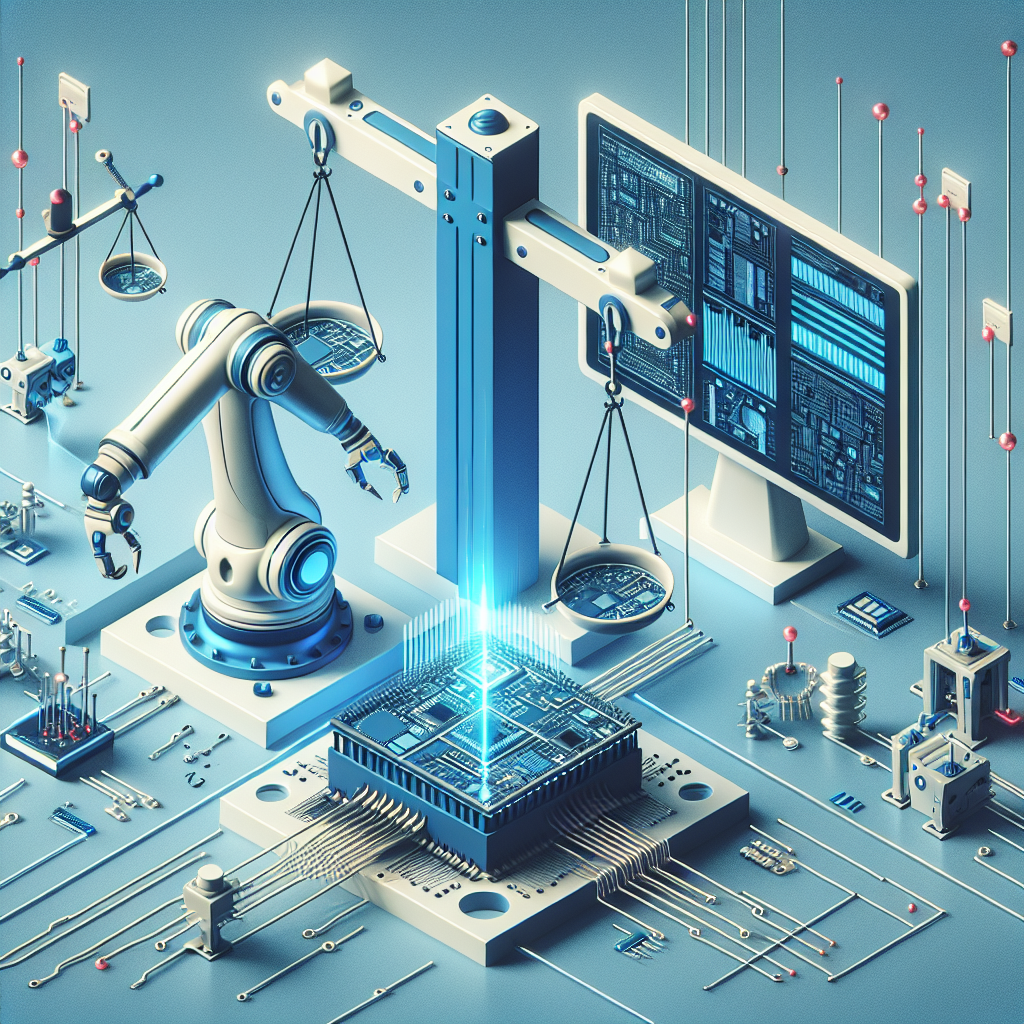
Artificial Intelligence (AI) is revolutionizing the electronics manufacturing industry by optimizing processes, improving efficiency, and enhancing product quality. From predictive maintenance to quality control, AI is transforming the way electronics are designed, manufactured, and tested. However, with these opportunities come challenges that must be addressed to fully realize the potential of AI in electronics manufacturing.
Opportunities of AI in Electronics Manufacturing
1. Predictive Maintenance: One of the key benefits of AI in electronics manufacturing is predictive maintenance. By using AI algorithms to analyze data from sensors, machines can predict when they are likely to fail and schedule maintenance before a breakdown occurs. This reduces downtime and increases productivity.
2. Quality Control: AI can also be used to improve quality control in electronics manufacturing. By analyzing data from sensors and cameras, AI algorithms can detect defects in real-time and automatically adjust production processes to ensure consistent quality.
3. Process Optimization: AI can optimize manufacturing processes by analyzing data from sensors and identifying areas for improvement. By continuously learning from data, AI can make real-time adjustments to optimize efficiency and increase yield.
4. Supply Chain Management: AI can also be used to optimize supply chain management in electronics manufacturing. By analyzing data from suppliers, AI algorithms can predict demand, optimize inventory levels, and reduce lead times.
5. Customization: AI can enable mass customization in electronics manufacturing by analyzing customer data and preferences to create personalized products. This allows manufacturers to meet the demands of individual customers while maintaining efficiency.
Challenges of AI in Electronics Manufacturing
1. Data Quality: One of the key challenges of implementing AI in electronics manufacturing is ensuring the quality of data. AI algorithms rely on large amounts of data to make accurate predictions, so it is essential to ensure that data is accurate, relevant, and up-to-date.
2. Security: Another challenge of AI in electronics manufacturing is data security. As manufacturers collect and analyze more data, there is a risk of data breaches and cyber attacks. Manufacturers must implement robust security measures to protect sensitive data.
3. Integration: Integrating AI into existing manufacturing processes can be challenging. Manufacturers must invest in new technologies, train employees, and redesign processes to fully leverage the benefits of AI.
4. Cost: Implementing AI in electronics manufacturing can be costly. Manufacturers must invest in new technologies, hire skilled employees, and train existing staff to use AI effectively.
5. Ethics: As AI becomes more prevalent in electronics manufacturing, there are ethical considerations to take into account. Manufacturers must ensure that AI algorithms are transparent, unbiased, and ethical in their decision-making processes.
FAQs
Q: How can AI improve productivity in electronics manufacturing?
A: AI can improve productivity in electronics manufacturing by optimizing processes, reducing downtime, and increasing yield. By analyzing data from sensors and machines, AI algorithms can identify inefficiencies and make real-time adjustments to improve productivity.
Q: What are the key benefits of using AI in quality control?
A: AI can improve quality control in electronics manufacturing by detecting defects in real-time, reducing scrap rates, and ensuring consistent product quality. By analyzing data from sensors and cameras, AI algorithms can identify defects before they impact production.
Q: How can manufacturers address the challenges of implementing AI in electronics manufacturing?
A: Manufacturers can address the challenges of implementing AI in electronics manufacturing by investing in data quality, security measures, employee training, and process redesign. By taking a holistic approach to AI implementation, manufacturers can fully leverage the benefits of AI.
Q: What are the key ethical considerations of using AI in electronics manufacturing?
A: The key ethical considerations of using AI in electronics manufacturing include transparency, bias, and accountability. Manufacturers must ensure that AI algorithms are transparent in their decision-making processes, free from bias, and accountable for their actions.
In conclusion, AI offers tremendous opportunities for electronics manufacturing by improving productivity, quality control, process optimization, supply chain management, and customization. However, manufacturers must address challenges such as data quality, security, integration, cost, and ethics to fully realize the potential of AI. By investing in new technologies, training employees, and redesigning processes, manufacturers can harness the power of AI to revolutionize the electronics manufacturing industry.