
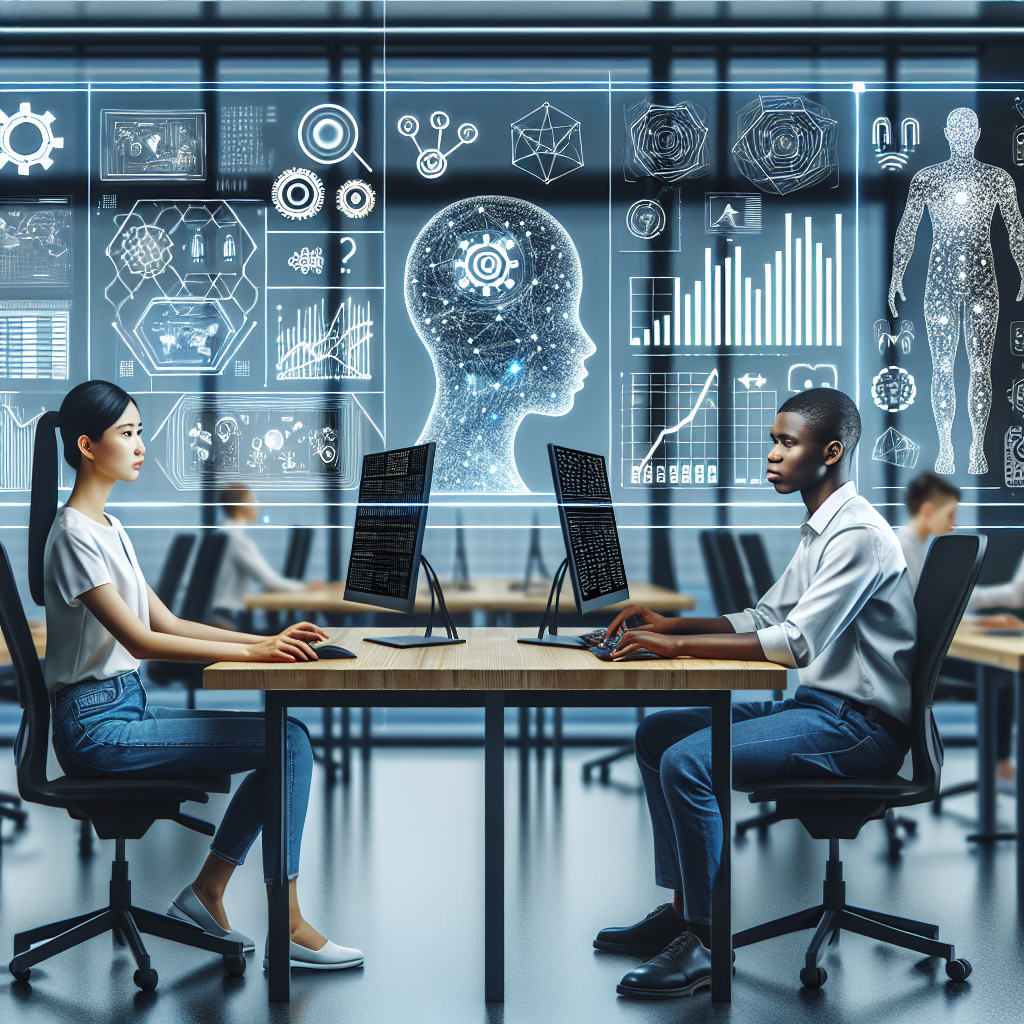
Artificial Intelligence (AI) has been making waves in various industries, revolutionizing the way businesses operate and changing the landscape of technology. From healthcare to finance, AI is being used to streamline processes, improve efficiency, and drive innovation. In this article, we will explore how AI is transforming industries and the impact it is having on businesses worldwide.
Healthcare Industry
One of the industries that have greatly benefited from AI is healthcare. AI-powered systems are being used to interpret medical images, diagnose diseases, and even assist in surgical procedures. For example, AI algorithms can analyze medical images such as X-rays and MRIs to detect abnormalities and assist doctors in making more accurate diagnoses. This not only speeds up the diagnosis process but also reduces the risk of human error.
In addition, AI is also being used to develop personalized treatment plans for patients. By analyzing large amounts of medical data, AI algorithms can identify patterns and trends that can help doctors tailor treatments to individual patients, leading to better outcomes and improved patient care.
Finance Industry
The finance industry is another sector that has seen significant advancements in AI technology. AI-powered systems are being used to detect fraudulent activities, predict market trends, and automate trading processes. For example, AI algorithms can analyze large amounts of financial data in real-time to identify suspicious transactions and prevent fraud.
AI is also being used to improve customer service in the finance industry. Chatbots powered by AI can assist customers with their queries and provide personalized recommendations based on their financial needs. This not only improves the customer experience but also reduces the workload on customer service agents.
Retail Industry
In the retail industry, AI is being used to optimize inventory management, improve customer engagement, and enhance the shopping experience. AI-powered systems can analyze sales data and customer preferences to predict demand and optimize inventory levels. This helps retailers reduce costs and improve efficiency by stocking the right products at the right time.
AI is also being used to personalize the shopping experience for customers. By analyzing customer data and behavior, AI algorithms can provide personalized recommendations, discounts, and promotions to each customer, leading to increased sales and customer loyalty.
Manufacturing Industry
AI is revolutionizing the manufacturing industry by enabling predictive maintenance, improving production efficiency, and enhancing product quality. AI-powered systems can analyze machine data in real-time to predict when equipment is likely to fail, allowing manufacturers to schedule maintenance before a breakdown occurs. This not only reduces downtime but also extends the lifespan of equipment.
AI is also being used to optimize production processes and improve product quality. By analyzing production data, AI algorithms can identify inefficiencies and opportunities for improvement, leading to increased productivity and reduced waste. AI-powered systems can also detect defects in products before they leave the production line, ensuring that only high-quality products reach customers.
Transportation Industry
In the transportation industry, AI is being used to improve safety, optimize traffic flow, and enhance the passenger experience. AI-powered systems can analyze traffic patterns and predict congestion, allowing transportation companies to optimize routes and schedules to reduce delays and improve efficiency. AI algorithms can also detect anomalies in vehicle performance and alert drivers to potential issues before they become safety hazards.
AI is also being used to enhance the passenger experience in the transportation industry. For example, AI-powered systems can analyze passenger data to provide personalized recommendations for travel options, accommodations, and activities. This not only improves the overall travel experience but also increases customer satisfaction and loyalty.
FAQs:
Q: What is Artificial Intelligence (AI)?
A: Artificial Intelligence (AI) refers to the simulation of human intelligence in machines that are programmed to think and act like humans. AI technologies include machine learning, natural language processing, and computer vision.
Q: How is AI revolutionizing industries?
A: AI is revolutionizing industries by improving efficiency, reducing costs, and driving innovation. AI-powered systems can analyze large amounts of data, automate processes, and make predictions to help businesses make better decisions and improve their operations.
Q: What are some examples of AI applications in industries?
A: Some examples of AI applications in industries include medical image analysis in healthcare, fraud detection in finance, personalized recommendations in retail, predictive maintenance in manufacturing, and traffic optimization in transportation.
Q: What are the benefits of AI in industries?
A: The benefits of AI in industries include improved efficiency, reduced costs, increased productivity, enhanced customer experiences, and innovation. AI technologies can help businesses make better decisions, automate processes, and drive growth.
In conclusion, Artificial Intelligence is revolutionizing industries by improving efficiency, reducing costs, and driving innovation. From healthcare to finance, AI is being used to streamline processes, improve customer experiences, and enhance product quality. As businesses continue to adopt AI technologies, we can expect to see even more advancements and transformations in industries worldwide.