
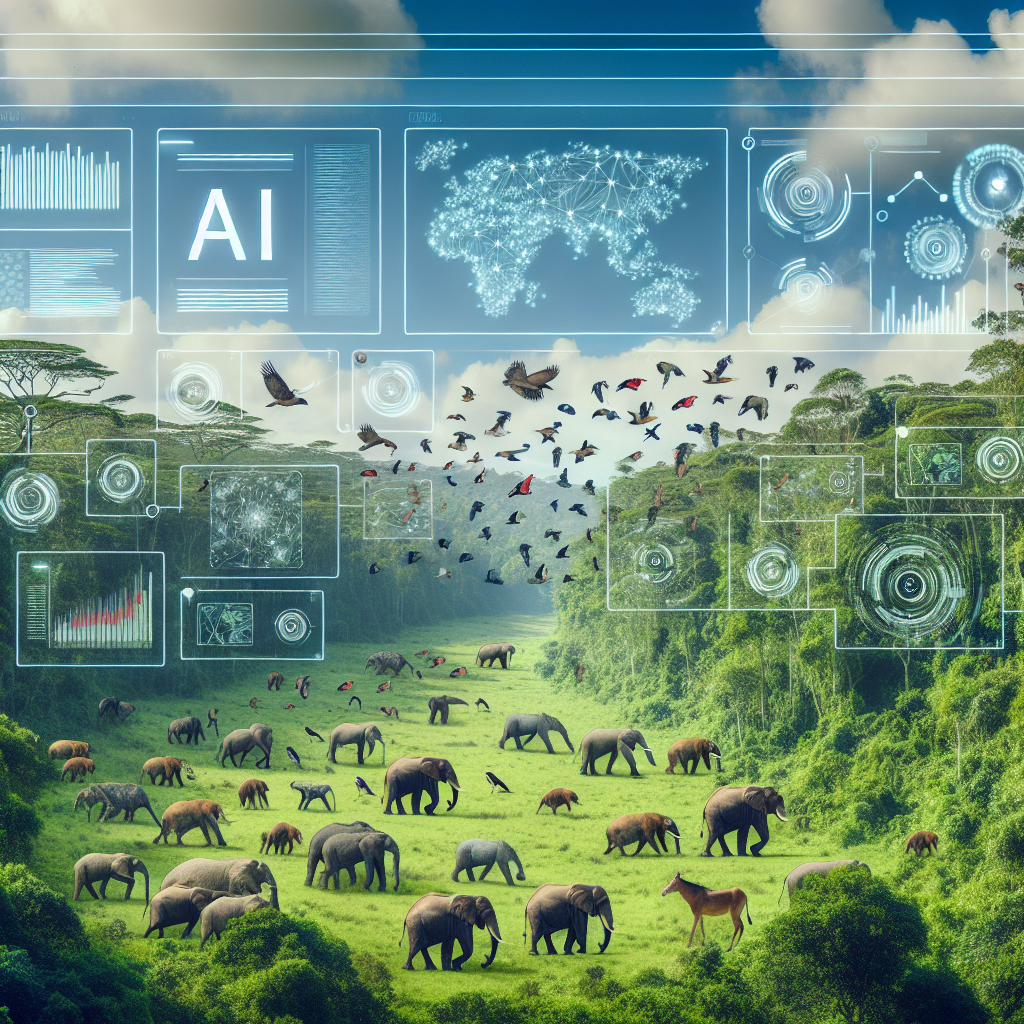
In recent years, artificial intelligence (AI) technology has made significant advancements in a wide range of fields, including wildlife conservation. AI platforms have the potential to revolutionize the way we monitor and protect endangered species, track animal movements, and analyze environmental data. By harnessing the power of AI, conservationists can make more informed decisions and take proactive measures to preserve biodiversity and protect fragile ecosystems.
The Role of AI Platforms in Wildlife Conservation
1. Monitoring and Surveillance
One of the key applications of AI in wildlife conservation is monitoring and surveillance. AI platforms can analyze vast amounts of data from cameras, satellite imagery, and other sources to track the movements of animals, detect poaching activities, and monitor changes in habitats. This real-time monitoring allows conservationists to respond quickly to threats and protect endangered species.
For example, AI-powered camera traps can automatically identify and classify animals based on their physical characteristics, such as stripes, spots, or fur patterns. This technology enables researchers to track the populations of endangered species, such as tigers, leopards, and rhinos, and assess the effectiveness of conservation efforts.
2. Predictive Modeling
AI platforms can also be used to create predictive models that forecast the impact of climate change, habitat loss, and other environmental factors on wildlife populations. By analyzing historical data and environmental trends, AI algorithms can predict how changes in temperature, precipitation, and land use will affect the distribution and abundance of species.
These predictive models help conservationists develop strategies to mitigate the effects of climate change, protect critical habitats, and ensure the long-term survival of endangered species. For example, AI can be used to identify areas that are at risk of deforestation or illegal logging and prioritize conservation efforts in those regions.
3. Data Analysis
AI platforms are invaluable tools for analyzing complex datasets and extracting meaningful insights from environmental data. By using machine learning algorithms, conservationists can identify patterns, trends, and correlations in large datasets that would be impossible to detect manually.
For instance, AI can analyze satellite imagery to map land cover changes, monitor deforestation rates, and assess the health of ecosystems. This information helps conservationists make informed decisions about where to focus their conservation efforts and allocate resources effectively.
4. Wildlife Identification
AI platforms can also be used to identify individual animals based on their unique characteristics, such as facial markings, fin shapes, or vocalizations. This technology, known as biometric identification, enables researchers to track the movements of individual animals, monitor their behavior, and study their interactions with other species.
For example, AI-powered software can analyze the acoustic signals of marine mammals, such as dolphins and whales, to identify individual animals and track their migration patterns. This information is valuable for understanding the behavior of marine species and developing conservation strategies to protect their habitats.
5. Anti-Poaching Efforts
AI platforms are increasingly being used to combat wildlife poaching and illegal wildlife trade. By analyzing data from sensors, drones, and other surveillance technologies, AI algorithms can detect suspicious activities, identify poaching hotspots, and alert law enforcement agencies in real-time.
For example, AI-powered drones can be equipped with thermal cameras and sensors to detect poachers in remote areas and monitor the movements of endangered species, such as elephants and rhinos. This technology helps conservationists protect wildlife from poaching and reduce the demand for illegal wildlife products.
Frequently Asked Questions (FAQs)
Q: How can AI platforms help protect endangered species?
A: AI platforms can help protect endangered species by monitoring their populations, tracking their movements, and analyzing environmental data to identify threats and develop conservation strategies.
Q: Are AI platforms replacing human conservationists?
A: AI platforms are not replacing human conservationists but rather enhancing their capabilities. By automating repetitive tasks, analyzing large datasets, and detecting patterns in data, AI platforms enable conservationists to make more informed decisions and take proactive measures to protect wildlife.
Q: What are the challenges of using AI in wildlife conservation?
A: Some of the challenges of using AI in wildlife conservation include data privacy concerns, limited access to technology in remote areas, and the need for specialized training to use AI platforms effectively. Additionally, AI algorithms may be biased or inaccurate if not properly calibrated and validated.
In conclusion, AI platforms have the potential to revolutionize wildlife conservation by providing valuable insights, automating tasks, and enhancing the capabilities of conservationists. By harnessing the power of AI, conservationists can monitor and protect endangered species, track animal movements, analyze environmental data, and combat illegal wildlife trade. As AI technology continues to evolve, it is crucial for conservation organizations to leverage these tools to ensure the long-term survival of biodiversity and protect fragile ecosystems.