
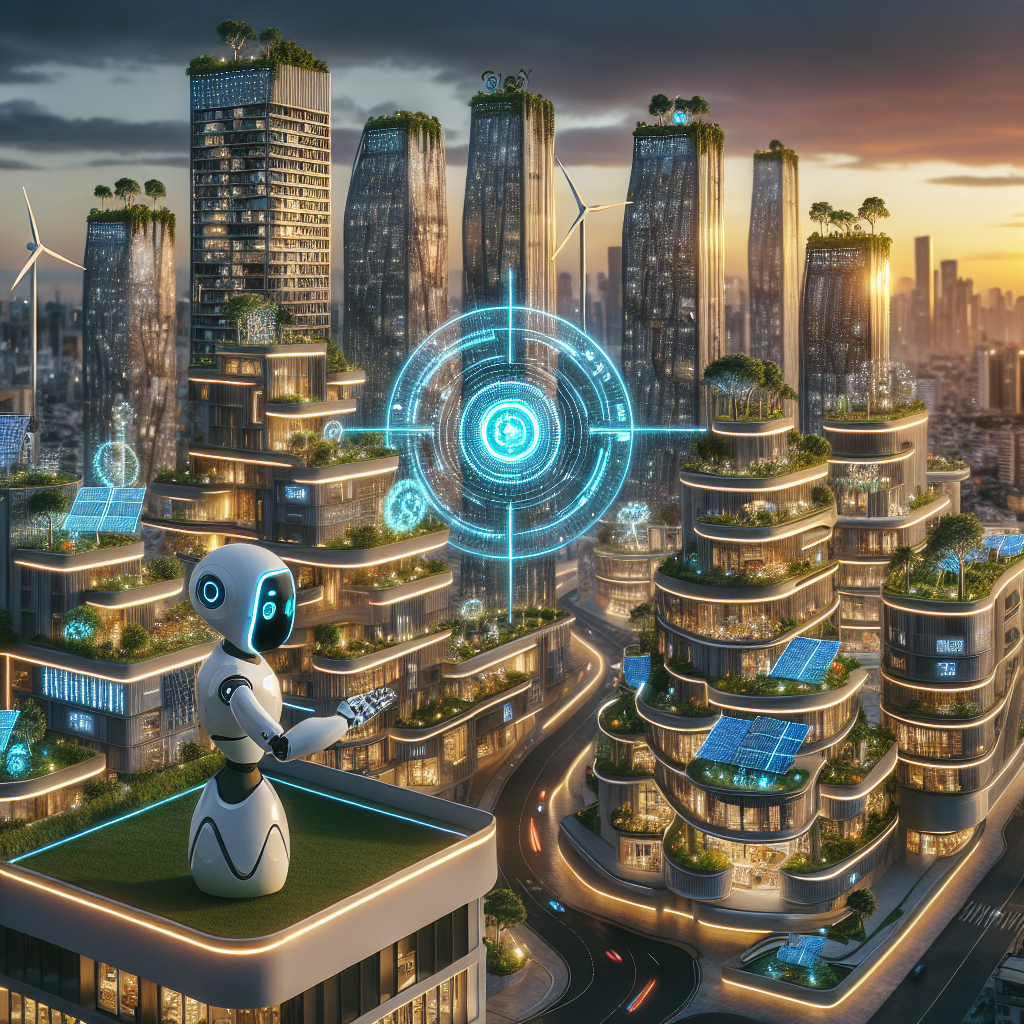
Artificial intelligence (AI) has made significant advancements in recent years, revolutionizing various industries, including architecture. AI has the potential to enhance architectural efficiency by streamlining design processes, optimizing building performance, and improving sustainability. In this article, we will explore how AI is transforming the field of architecture and how architects can leverage AI to create more innovative and sustainable buildings.
One of the key ways AI is enhancing architectural efficiency is through generative design. Generative design is a process that uses algorithms to explore thousands of design options and identify the most optimal solutions based on specified criteria. By automating the design process, architects can quickly generate and evaluate countless design options, allowing them to explore more creative and innovative solutions in a fraction of the time it would take using traditional design methods.
AI can also help architects optimize building performance by analyzing various factors such as energy usage, daylighting, and thermal comfort. By inputting building parameters into AI algorithms, architects can simulate and analyze different design scenarios to identify the most energy-efficient and sustainable solutions. This not only helps architects meet regulatory requirements and sustainability goals but also helps reduce operating costs and improve the overall performance of the building.
Furthermore, AI can assist architects in the construction phase by optimizing material usage, scheduling tasks, and improving project management. By analyzing historical data and project requirements, AI algorithms can help architects make informed decisions about material selection, construction sequencing, and resource allocation, leading to more efficient and cost-effective construction processes.
In addition to improving design and construction processes, AI can also enhance the user experience of buildings by incorporating smart technologies such as IoT devices, sensors, and automated systems. These technologies can help architects create more responsive and adaptive buildings that can monitor and adjust to user preferences, optimize energy usage, and improve overall occupant comfort and well-being.
Overall, AI has the potential to revolutionize the field of architecture by enhancing efficiency, creativity, and sustainability. By leveraging AI technologies, architects can streamline design processes, optimize building performance, and create more innovative and sustainable buildings that meet the needs of both clients and society.
FAQs:
Q: How can AI enhance the design process for architects?
A: AI can enhance the design process for architects by automating tasks such as generative design, material selection, and building performance analysis. By using AI algorithms, architects can quickly generate and evaluate design options, optimize building performance, and create more innovative and sustainable solutions.
Q: Can AI help architects meet sustainability goals?
A: Yes, AI can help architects meet sustainability goals by analyzing building parameters, simulating design scenarios, and optimizing building performance. By using AI algorithms, architects can identify the most energy-efficient and sustainable design solutions that meet regulatory requirements and reduce operating costs.
Q: How can AI improve the construction phase for architects?
A: AI can improve the construction phase for architects by optimizing material usage, scheduling tasks, and improving project management. By analyzing historical data and project requirements, AI algorithms can help architects make informed decisions about material selection, construction sequencing, and resource allocation, leading to more efficient and cost-effective construction processes.
Q: How can AI enhance the user experience of buildings?
A: AI can enhance the user experience of buildings by incorporating smart technologies such as IoT devices, sensors, and automated systems. These technologies can help architects create more responsive and adaptive buildings that can monitor and adjust to user preferences, optimize energy usage, and improve overall occupant comfort and well-being.