
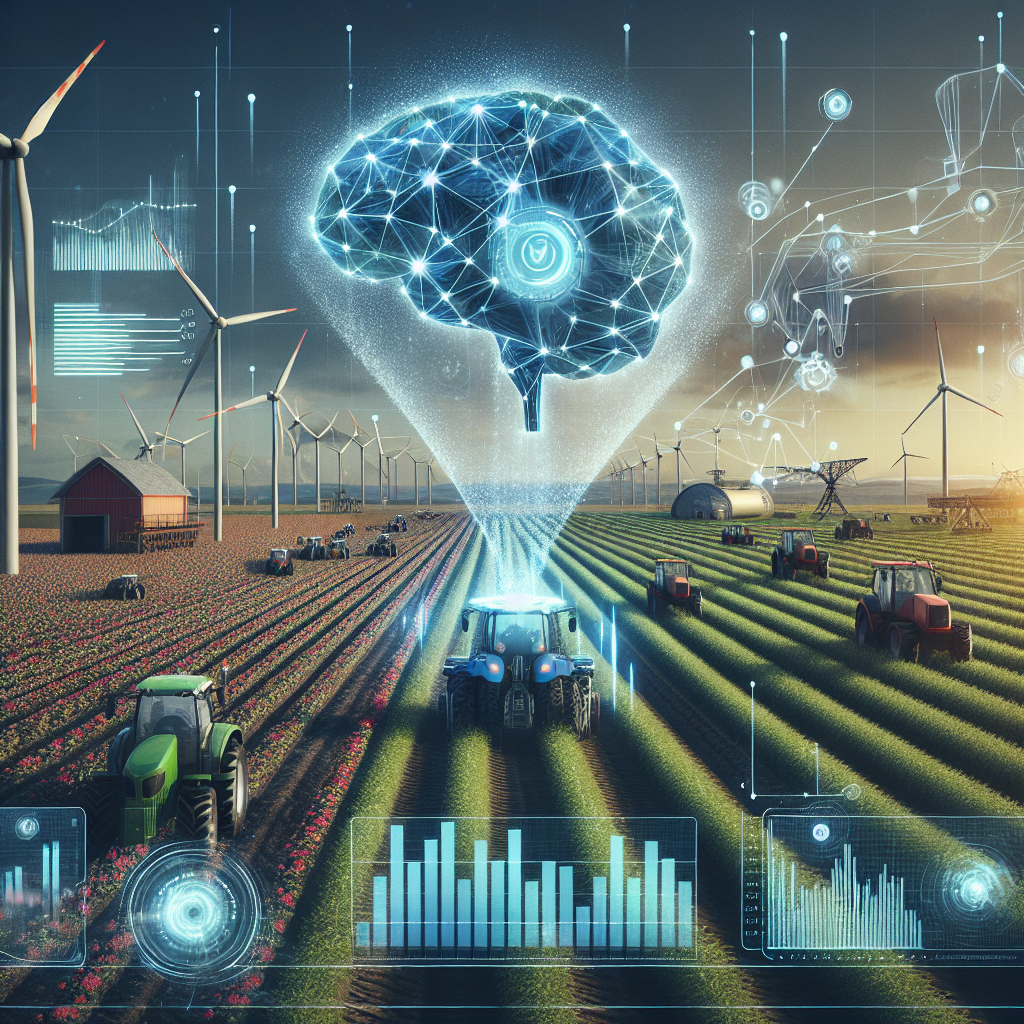
AI Applications in Predictive Analytics for Agriculture
In recent years, the agriculture industry has seen a significant transformation through the integration of artificial intelligence (AI) technologies. One of the most innovative applications of AI in agriculture is predictive analytics, which allows farmers to make data-driven decisions that can improve crop yield, reduce costs, and optimize resource allocation. In this article, we will explore the various AI applications in predictive analytics for agriculture and how they are revolutionizing the way farmers operate.
Predictive Analytics in Agriculture
Predictive analytics is the practice of using data, statistical algorithms, and machine learning techniques to identify the likelihood of future outcomes based on historical data. In agriculture, predictive analytics can be used to forecast crop yields, predict pest infestations, optimize irrigation schedules, and more.
One of the key benefits of predictive analytics in agriculture is its ability to help farmers make informed decisions that can lead to higher yields and reduced costs. By analyzing historical data on weather patterns, soil quality, crop health, and other factors, predictive analytics can provide farmers with insights that can help them optimize their farming practices.
AI Applications in Predictive Analytics for Agriculture
There are several AI applications that are being used in predictive analytics for agriculture. Some of the most common applications include:
1. Crop Yield Prediction: AI algorithms can analyze historical data on crop yields, weather patterns, soil quality, and other factors to predict future crop yields. This information can help farmers optimize their planting and harvesting schedules, as well as identify areas where improvements can be made to increase yield.
2. Pest and Disease Detection: AI algorithms can analyze images of crops to detect signs of pests and diseases. By identifying these issues early on, farmers can take proactive measures to prevent the spread of pests and diseases, saving time and money in the long run.
3. Irrigation Optimization: AI algorithms can analyze data on soil moisture levels, weather patterns, and crop water requirements to optimize irrigation schedules. By ensuring that crops receive the right amount of water at the right time, farmers can prevent water wastage and improve crop yields.
4. Supply Chain Optimization: AI algorithms can analyze data on market trends, transportation costs, and demand forecasts to optimize supply chain logistics. By identifying the most cost-effective ways to transport and distribute their products, farmers can reduce costs and increase profitability.
5. Climate Change Adaptation: AI algorithms can analyze historical data on climate patterns to predict future climate trends and their impact on agriculture. By identifying areas that are at risk of climate-related challenges, farmers can take proactive measures to adapt their farming practices and mitigate potential risks.
FAQs
Q: How can predictive analytics help farmers improve crop yield?
A: Predictive analytics can help farmers improve crop yield by analyzing historical data on weather patterns, soil quality, crop health, and other factors to identify areas where improvements can be made. By optimizing planting and harvesting schedules, irrigation practices, and pest control measures, farmers can increase their crop yield and profitability.
Q: How accurate are AI algorithms in predicting crop yields?
A: The accuracy of AI algorithms in predicting crop yields depends on the quality of the data used and the complexity of the algorithms. In general, AI algorithms can provide accurate predictions of crop yields when trained on high-quality data and validated against real-world outcomes.
Q: How can farmers implement predictive analytics in their farming practices?
A: Farmers can implement predictive analytics in their farming practices by collecting and analyzing data on weather patterns, soil quality, crop health, and other factors. By using AI algorithms to analyze this data, farmers can gain insights that can help them optimize their farming practices and improve crop yield.
Q: What are the challenges of implementing predictive analytics in agriculture?
A: Some of the challenges of implementing predictive analytics in agriculture include collecting high-quality data, integrating AI algorithms into existing farming practices, and ensuring that farmers have the necessary skills and resources to use predictive analytics effectively. Additionally, regulatory and privacy concerns related to data collection and analysis can also pose challenges for implementing predictive analytics in agriculture.
In conclusion, AI applications in predictive analytics for agriculture are revolutionizing the way farmers operate by providing them with valuable insights that can help them optimize their farming practices, increase crop yield, and reduce costs. By leveraging AI technologies, farmers can make data-driven decisions that can lead to improved profitability, sustainability, and resilience in the face of climate change and other challenges.