
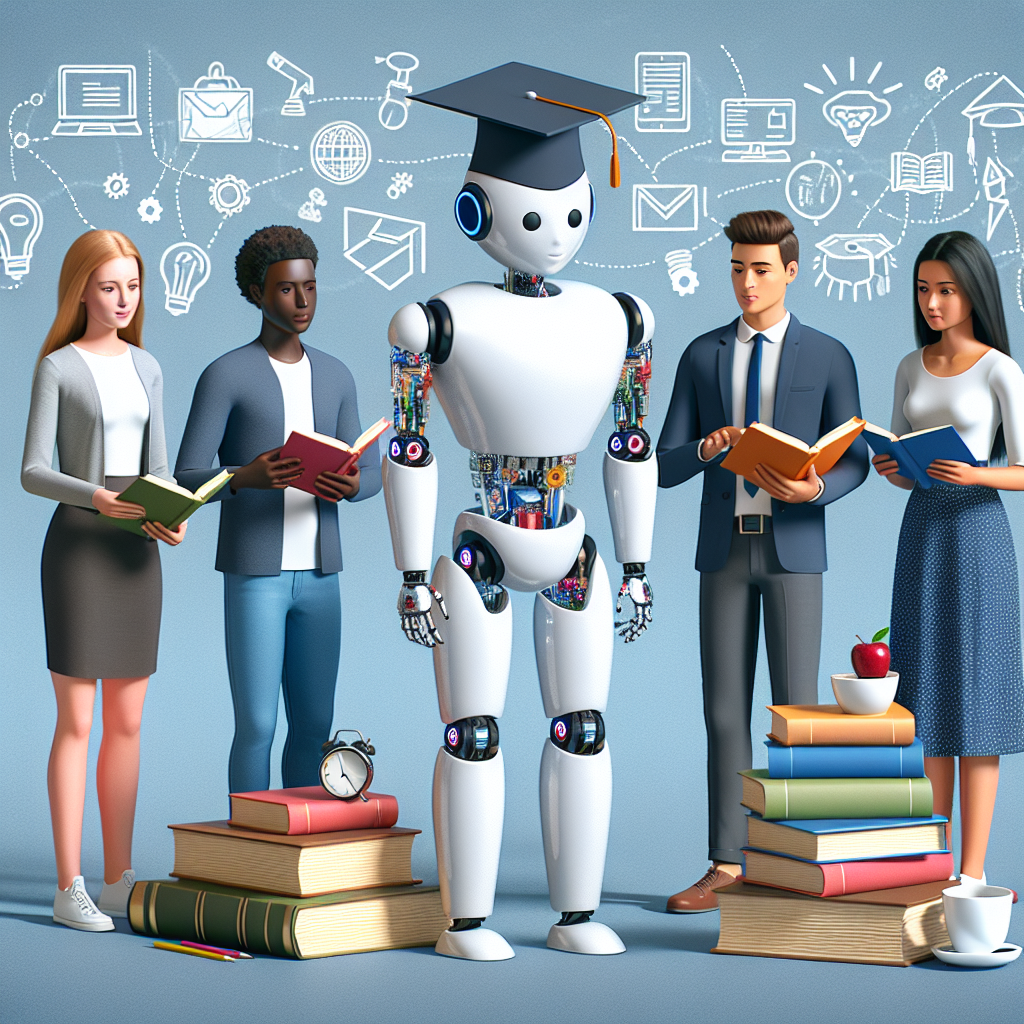
Advancements in artificial intelligence (AI) have revolutionized many aspects of our daily lives, from personalized recommendations on streaming services to virtual assistants that help us navigate our schedules. In the realm of education, AI is also playing a significant role in improving student retention and graduation rates. By leveraging data analytics and machine learning algorithms, AI can provide insights into student performance, identify at-risk students, and offer personalized interventions to support student success.
The Role of AI in Student Retention and Graduation Rates
One of the key challenges in higher education is ensuring that students are able to persist and complete their degrees. Dropout rates in colleges and universities are a significant concern, with factors such as financial constraints, academic difficulties, and lack of support contributing to students leaving their programs before completion. AI has the potential to address these challenges by analyzing data on student performance, engagement, and behaviors to identify patterns that may indicate a student is at risk of dropping out.
AI-powered predictive analytics can help institutions proactively identify students who may be struggling academically or facing other challenges. By analyzing a wide range of data points, such as grades, attendance records, and participation in extracurricular activities, AI algorithms can flag students who are at risk of dropping out and alert advisors or support staff to intervene and provide targeted support. This early intervention can help prevent students from falling through the cracks and improve their chances of staying in school and earning their degrees.
In addition to identifying at-risk students, AI can also help personalize the learning experience for individual students. By analyzing data on student preferences, learning styles, and performance, AI algorithms can recommend personalized learning resources, suggest study strategies, and provide feedback to help students improve their academic performance. This personalized approach can help students stay engaged and motivated, leading to higher retention rates and improved graduation outcomes.
Furthermore, AI can assist institutions in optimizing their resources and support services to better meet the needs of students. By analyzing data on student demographics, academic performance, and engagement, AI algorithms can help institutions identify trends and patterns in student behavior and preferences. This data-driven approach can inform decisions on program offerings, support services, and resource allocation, allowing institutions to better tailor their offerings to meet the needs of their students and support their success.
Overall, AI has the potential to revolutionize student retention and graduation rates by providing institutions with valuable insights into student performance, identifying at-risk students, and offering personalized interventions to support student success. By leveraging the power of data analytics and machine learning, institutions can proactively address challenges that students may face and provide the support they need to thrive academically and complete their degrees.
FAQs
Q: How does AI analyze student data to identify at-risk students?
A: AI algorithms analyze a wide range of data points, such as grades, attendance records, participation in extracurricular activities, and engagement with learning resources to identify patterns that may indicate a student is at risk of dropping out. By analyzing this data, AI can flag students who may need additional support and alert advisors or support staff to intervene.
Q: How can AI personalize the learning experience for students?
A: AI algorithms can analyze data on student preferences, learning styles, and performance to recommend personalized learning resources, suggest study strategies, and provide feedback to help students improve their academic performance. This personalized approach can help students stay engaged and motivated, leading to higher retention rates and improved graduation outcomes.
Q: How can institutions use AI to optimize their resources and support services?
A: By analyzing data on student demographics, academic performance, and engagement, AI algorithms can help institutions identify trends and patterns in student behavior and preferences. This data-driven approach can inform decisions on program offerings, support services, and resource allocation, allowing institutions to better tailor their offerings to meet the needs of their students and support their success.
In conclusion, AI is playing a significant role in improving student retention and graduation rates by providing institutions with valuable insights into student performance, identifying at-risk students, and offering personalized interventions to support student success. By leveraging the power of data analytics and machine learning, institutions can proactively address challenges that students may face and provide the support they need to thrive academically and complete their degrees.