
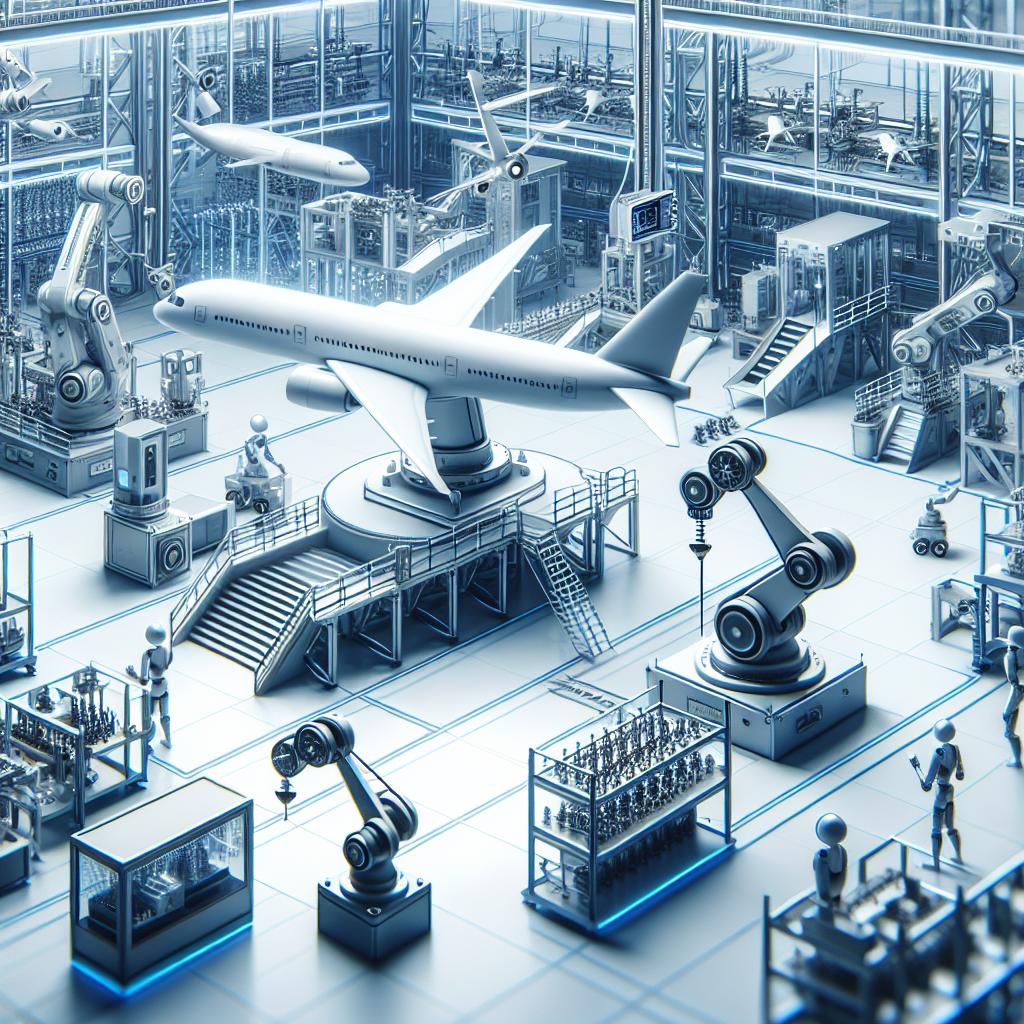
The aerospace manufacturing supply chain is a complex and highly specialized industry that relies on precision, innovation, and efficiency to deliver high-quality products to customers around the world. The integration of Artificial Intelligence (AI) technology into this sector has the potential to revolutionize the way aerospace components are designed, produced, and delivered.
AI is a rapidly evolving technology that encompasses a range of capabilities, including machine learning, natural language processing, and computer vision. These tools can be leveraged by aerospace manufacturers to streamline production processes, optimize supply chain management, and improve overall operational efficiency.
One of the key areas where AI can have a significant impact on the aerospace manufacturing supply chain is in product design and development. By using AI algorithms to analyze vast amounts of data, engineers can identify patterns and trends that may not be immediately apparent to human designers. This can lead to the development of more innovative and efficient aerospace components that are lighter, stronger, and more cost-effective to produce.
AI can also be used to optimize the manufacturing process itself. By using real-time data analysis and predictive modeling, manufacturers can identify potential bottlenecks in production and take proactive steps to address them before they impact production schedules. This can lead to greater efficiency, reduced lead times, and lower production costs.
Supply chain management is another area where AI can make a significant impact in aerospace manufacturing. By using AI-powered algorithms to analyze supply chain data, manufacturers can better predict demand, optimize inventory levels, and identify potential risks in the supply chain. This can lead to more efficient procurement processes, reduced inventory carrying costs, and improved overall supply chain performance.
In addition to improving operational efficiency, AI can also enhance quality control in aerospace manufacturing. By using AI-powered sensors and monitoring systems, manufacturers can detect defects and anomalies in real-time, allowing them to take corrective action before faulty components are incorporated into the final product. This can lead to higher product quality, fewer recalls, and reduced warranty costs.
Overall, the integration of AI into the aerospace manufacturing supply chain has the potential to transform the industry by improving product design, streamlining production processes, optimizing supply chain management, and enhancing quality control. By leveraging the power of AI technology, aerospace manufacturers can stay ahead of the competition, reduce costs, and deliver higher-quality products to customers around the world.
FAQs:
Q: How can AI technology improve product design in aerospace manufacturing?
A: AI algorithms can analyze vast amounts of data to identify patterns and trends that can lead to more innovative and efficient aerospace components.
Q: How can AI optimize the manufacturing process in aerospace manufacturing?
A: By using real-time data analysis and predictive modeling, manufacturers can identify potential bottlenecks in production and take proactive steps to address them, leading to greater efficiency and reduced costs.
Q: How can AI enhance supply chain management in aerospace manufacturing?
A: AI-powered algorithms can analyze supply chain data to better predict demand, optimize inventory levels, and identify potential risks, leading to more efficient procurement processes and improved overall supply chain performance.
Q: How can AI improve quality control in aerospace manufacturing?
A: AI-powered sensors and monitoring systems can detect defects and anomalies in real-time, allowing manufacturers to take corrective action before faulty components are incorporated into the final product, leading to higher product quality and reduced warranty costs.