
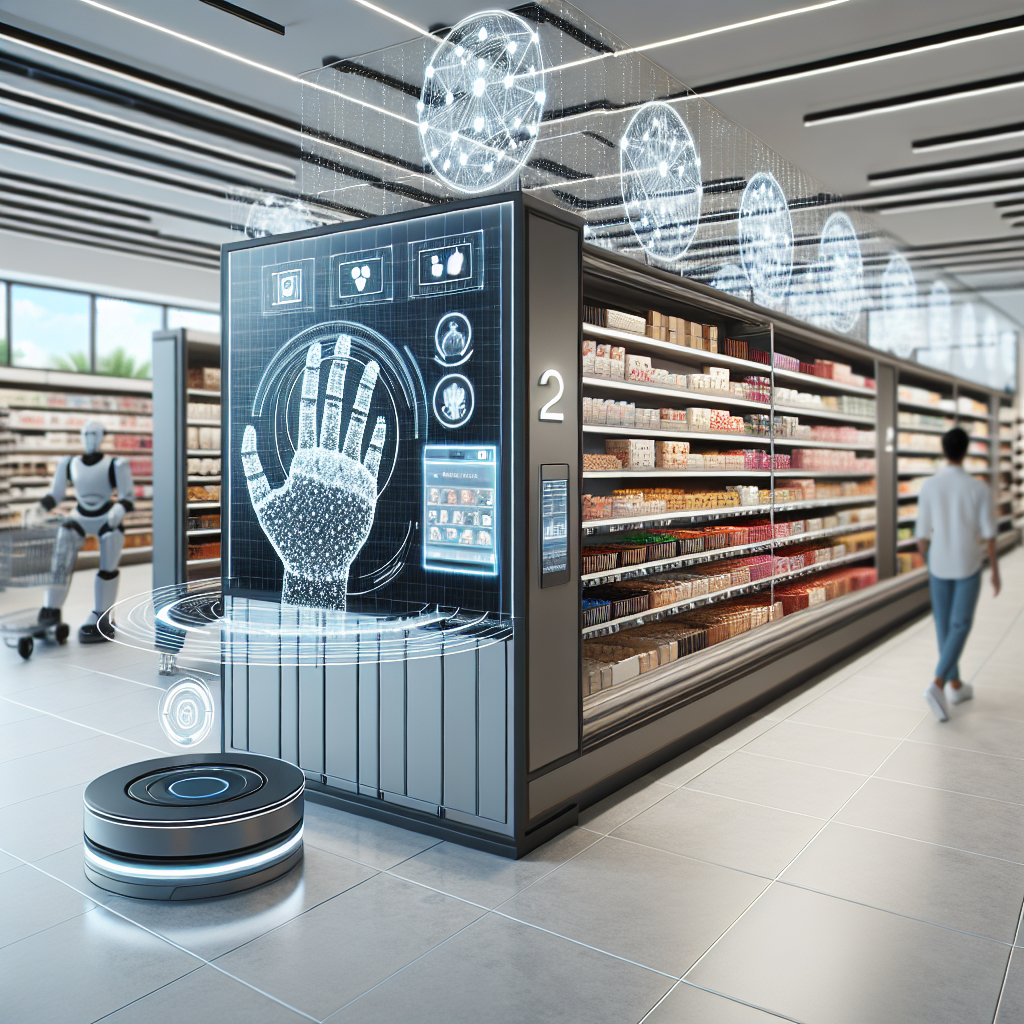
In recent years, Artificial Intelligence (AI) automation has been revolutionizing various industries, and retail merchandising is no exception. AI technology has the potential to transform the way retailers manage their inventory, pricing, and customer service, ultimately improving efficiency and increasing profits. In this article, we will explore the impact of AI automation on the future of retail merchandising and discuss its potential benefits and challenges.
AI Automation in Retail Merchandising
AI automation in retail merchandising involves the use of advanced algorithms and machine learning techniques to streamline various processes, such as inventory management, pricing optimization, and personalized customer experiences. By analyzing large amounts of data in real-time, AI technology can help retailers make data-driven decisions that are more accurate and efficient than traditional methods.
One of the key areas where AI automation is making a significant impact is in inventory management. Retailers often struggle with balancing their inventory levels to meet customer demand while minimizing excess stock. AI algorithms can analyze historical sales data, current market trends, and even external factors like weather and events to forecast demand more accurately. This allows retailers to optimize their inventory levels, reduce stockouts, and improve overall profitability.
Another important application of AI in retail merchandising is price optimization. By analyzing competitor pricing, consumer behavior, and market conditions, AI algorithms can recommend optimal pricing strategies that maximize profits while maintaining competitiveness. This dynamic pricing approach allows retailers to adjust prices in real-time based on demand and other factors, leading to increased sales and margins.
Furthermore, AI automation can also enhance the customer shopping experience by providing personalized recommendations and targeted marketing campaigns. By analyzing customer data and preferences, AI algorithms can create personalized product suggestions, promotions, and discounts that are more likely to resonate with individual shoppers. This level of personalization can help retailers build stronger customer relationships and increase customer loyalty.
Benefits of AI Automation in Retail Merchandising
There are several benefits of implementing AI automation in retail merchandising, including:
1. Improved Efficiency: AI algorithms can process large amounts of data quickly and accurately, allowing retailers to make informed decisions in real-time. This can help streamline various merchandising processes and reduce manual labor, ultimately saving time and resources.
2. Better Inventory Management: By accurately forecasting demand and optimizing inventory levels, retailers can reduce excess stock, minimize stockouts, and improve overall inventory turnover. This can lead to lower holding costs and higher profits.
3. Enhanced Pricing Strategies: AI algorithms can help retailers adopt dynamic pricing strategies that reflect market conditions, competitor pricing, and customer behavior. This can lead to increased sales and margins, as well as a competitive advantage in the market.
4. Personalized Customer Experiences: By leveraging customer data and preferences, retailers can offer personalized recommendations, promotions, and discounts that cater to individual shoppers. This can increase customer satisfaction, loyalty, and repeat business.
Challenges of AI Automation in Retail Merchandising
While AI automation offers numerous benefits to retailers, there are also some challenges that need to be considered, including:
1. Data Quality and Security: AI algorithms rely on large amounts of data to make accurate predictions and recommendations. Retailers need to ensure that their data is accurate, reliable, and secure to avoid any errors or breaches that could impact their operations.
2. Implementation Costs: Implementing AI automation in retail merchandising can be costly, as it requires investment in technology, infrastructure, and training. Retailers need to carefully consider the return on investment and potential risks before adopting AI solutions.
3. Integration with Existing Systems: Integrating AI technology with existing merchandising systems and processes can be complex and time-consuming. Retailers need to ensure that their systems are compatible and that employees are trained to use the new technology effectively.
4. Ethical Considerations: AI algorithms can sometimes make biased or discriminatory decisions based on the data they are trained on. Retailers need to be aware of these ethical considerations and take steps to mitigate any potential biases in their AI systems.
FAQs
Q: How can AI automation help retailers improve their inventory management?
A: AI algorithms can analyze historical sales data, market trends, and other factors to forecast demand more accurately, optimize inventory levels, and reduce excess stock. This can lead to lower holding costs, higher profits, and improved inventory turnover.
Q: What are the benefits of implementing dynamic pricing strategies with AI automation?
A: Dynamic pricing allows retailers to adjust prices in real-time based on demand, competitor pricing, and other factors. This can lead to increased sales, higher margins, and a competitive advantage in the market.
Q: How can retailers use AI automation to enhance the customer shopping experience?
A: By analyzing customer data and preferences, AI algorithms can provide personalized product recommendations, promotions, and discounts that cater to individual shoppers. This can increase customer satisfaction, loyalty, and repeat business.
Q: What are the challenges of implementing AI automation in retail merchandising?
A: Challenges include data quality and security, implementation costs, integration with existing systems, and ethical considerations. Retailers need to carefully consider these challenges and take steps to address them before adopting AI solutions.
In conclusion, AI automation has the potential to revolutionize the future of retail merchandising by improving efficiency, inventory management, pricing strategies, and customer experiences. While there are challenges to consider, the benefits of implementing AI technology in retail are clear. By leveraging AI algorithms and machine learning techniques, retailers can gain a competitive edge in the market and drive business growth in the digital age.