
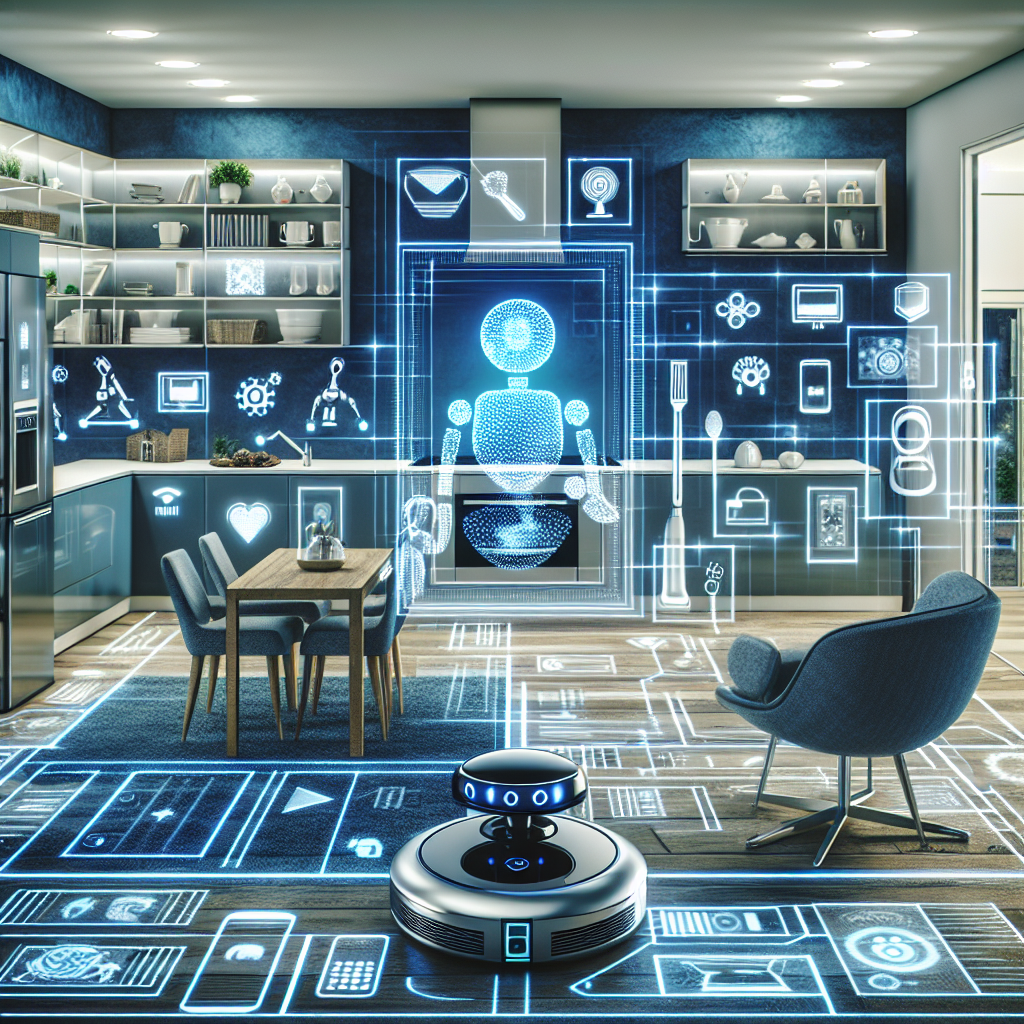
The Future of AI Software in Home Automation
In recent years, the rise of artificial intelligence (AI) has revolutionized the way we interact with technology. From virtual assistants like Siri and Alexa to self-driving cars, AI has become an integral part of our daily lives. One area where AI is making a significant impact is in home automation. AI software is enabling homeowners to control various aspects of their homes, such as lighting, temperature, security, and entertainment, with just the touch of a button or a simple voice command. In this article, we will explore the future of AI software in home automation and how it is changing the way we live.
1. What is AI software in home automation?
AI software in home automation refers to the use of artificial intelligence technology to control and manage various devices and systems within a home. This includes smart thermostats, lights, security cameras, door locks, and entertainment systems. AI software can learn and adapt to your preferences and habits, creating a personalized and efficient living environment.
2. How does AI software in home automation work?
AI software in home automation works by collecting data from sensors and devices throughout the home, such as motion detectors, temperature sensors, and cameras. This data is then processed by AI algorithms to make decisions and take actions based on predefined rules or user preferences. For example, AI software can adjust the temperature in a room based on the time of day or turn off lights when no one is in the room.
3. What are the benefits of using AI software in home automation?
There are several benefits to using AI software in home automation:
– Convenience: AI software makes it easy to control and manage various aspects of your home with just a few clicks or voice commands.
– Energy efficiency: AI software can optimize energy usage by adjusting lighting, heating, and cooling based on occupancy and user preferences.
– Security: AI software can enhance home security by monitoring cameras, sensors, and door locks and alerting homeowners to any suspicious activity.
– Personalization: AI software can learn your habits and preferences over time, creating a personalized and comfortable living environment.
– Remote access: AI software enables homeowners to control their homes from anywhere in the world using a smartphone or tablet.
4. What are some examples of AI software in home automation?
Some examples of AI software in home automation include:
– Smart thermostats: Devices like the Nest Learning Thermostat use AI algorithms to learn your heating and cooling preferences and adjust the temperature accordingly.
– Voice assistants: Virtual assistants like Alexa and Google Assistant can control various devices in your home using voice commands.
– Security systems: AI-powered security cameras can detect and alert homeowners to intruders or suspicious activity.
– Lighting systems: Smart lights can be controlled remotely and programmed to adjust brightness and color based on your preferences.
5. What is the future of AI software in home automation?
The future of AI software in home automation looks promising, with advancements in technology and increased adoption of smart home devices. Some trends to watch out for in the coming years include:
– Integration with other smart devices: AI software in home automation will become more integrated with other smart devices, such as wearables, cars, and appliances, creating a seamless and interconnected living experience.
– Predictive capabilities: AI software will be able to predict and anticipate your needs and preferences, making decisions and taking actions before you even realize it.
– Enhanced security features: AI software will enhance home security by incorporating advanced facial recognition, voice recognition, and behavior analysis technologies.
– Sustainability: AI software will play a crucial role in promoting energy efficiency and sustainability by optimizing energy usage and reducing waste.
– Personalization: AI software will continue to learn and adapt to your habits and preferences, creating a personalized and comfortable living environment.
FAQs
1. How secure is AI software in home automation?
AI software in home automation is generally secure, but it is important to take precautions to protect your data and privacy. Make sure to use strong passwords, keep your software up to date, and only purchase devices from reputable manufacturers.
2. Can AI software in home automation be hacked?
While no system is completely hack-proof, AI software in home automation is designed with security in mind. By following best practices and keeping your devices updated, you can minimize the risk of hacking.
3. How much does AI software in home automation cost?
The cost of AI software in home automation varies depending on the devices and systems you choose to install. While some devices can be expensive upfront, the long-term savings in energy efficiency and convenience can outweigh the initial cost.
4. Can AI software in home automation be customized?
Yes, AI software in home automation can be customized to suit your preferences and lifestyle. Many devices come with customizable settings and features that you can adjust to create the perfect living environment.
5. Is AI software in home automation easy to use?
AI software in home automation is designed to be user-friendly and intuitive, with simple interfaces and voice commands. While there may be a learning curve at first, most users find it easy to use and enjoy the convenience it offers.
In conclusion, the future of AI software in home automation is bright, with advancements in technology and increased adoption of smart devices. AI software is transforming the way we interact with our homes, creating personalized, efficient, and secure living environments. By embracing AI technology, homeowners can enjoy a more convenient, comfortable, and sustainable lifestyle.