
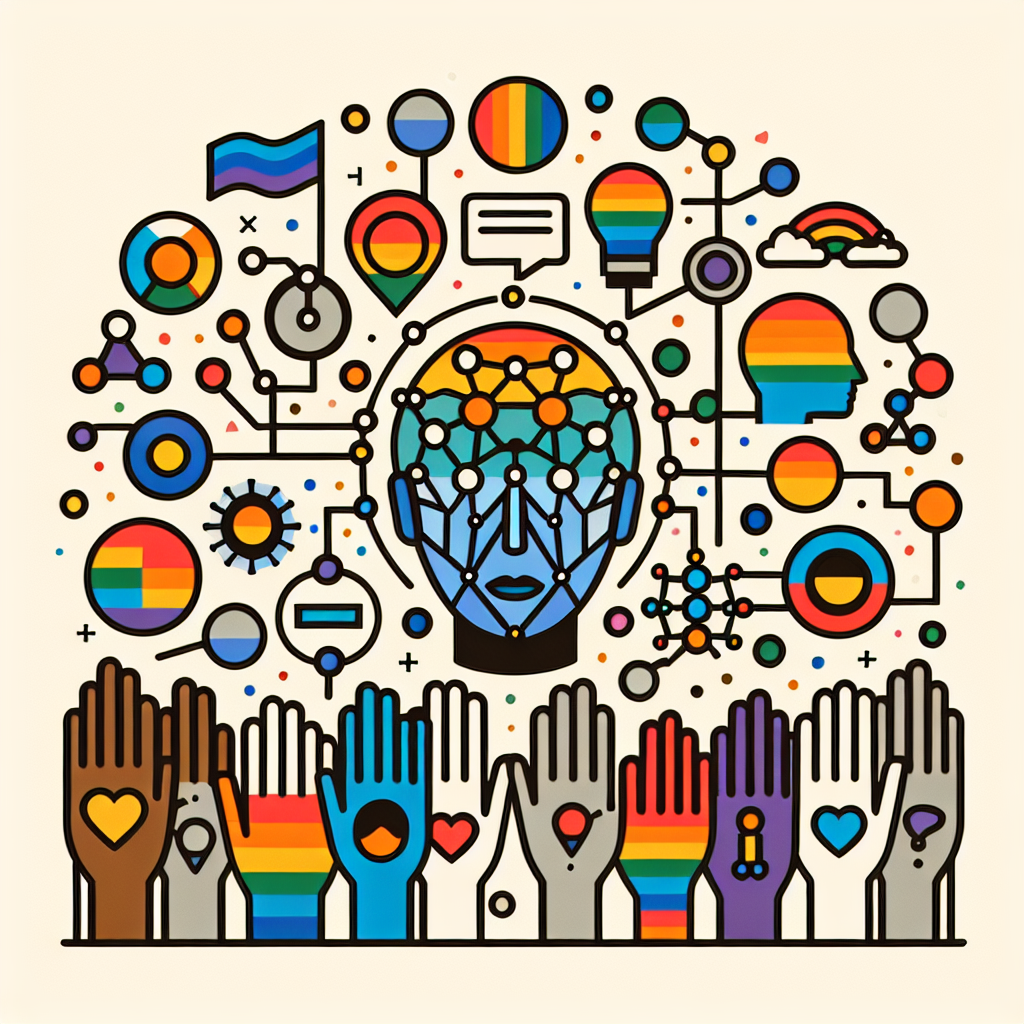
The Impact of AI on Diversity and Inclusion Initiatives
Artificial Intelligence (AI) is rapidly transforming industries and changing the way businesses operate. From improving efficiency to driving innovation, AI has the potential to revolutionize the way organizations approach diversity and inclusion initiatives. In this article, we will explore the impact of AI on diversity and inclusion efforts and how businesses can leverage this technology to create more diverse and inclusive workplaces.
AI and Diversity
One of the key ways in which AI is impacting diversity initiatives is through the recruitment process. AI-powered tools can help organizations identify bias in their hiring practices and create more inclusive job postings. By analyzing data from past hiring decisions, AI can identify patterns of bias and provide recommendations on how to improve diversity in the recruitment process.
AI can also help organizations source diverse candidates by using algorithms to search for candidates from a variety of backgrounds. This can help organizations reach a wider pool of talent and increase diversity in their workforce.
Another way AI is impacting diversity initiatives is through the development of inclusive workplace policies. AI can analyze data on employee experiences and identify areas where organizations can improve diversity and inclusion efforts. By providing insights into the experiences of different groups within the organization, AI can help organizations create more inclusive policies and programs.
AI and Inclusion
In addition to improving diversity initiatives, AI can also help organizations create more inclusive workplaces. AI-powered tools can analyze data on employee experiences and identify areas where organizations can improve inclusivity. By providing insights into the experiences of different groups within the organization, AI can help organizations create more inclusive policies and programs.
AI can also help organizations create more accessible workplaces for employees with disabilities. By analyzing data on accessibility needs and providing recommendations on how to improve accessibility, AI can help organizations create more inclusive work environments for all employees.
Challenges of AI in Diversity and Inclusion
While AI has the potential to improve diversity and inclusion efforts, there are also challenges associated with the use of this technology. One of the key challenges is the potential for bias in AI algorithms. If not properly trained, AI algorithms can perpetuate bias and discrimination in the workplace.
Another challenge is the lack of diversity in the development of AI technology. If AI algorithms are developed by a homogenous group of individuals, they may not be able to effectively address the needs of diverse populations. Organizations must ensure that they have diverse teams working on AI initiatives to avoid bias in the technology.
Lastly, there is a concern about the impact of AI on job displacement. As AI technology becomes more advanced, there is a fear that it may replace human workers, particularly in low-skilled and routine jobs. Organizations must carefully consider the impact of AI on their workforce and take steps to reskill and upskill employees to adapt to the changing technological landscape.
FAQs
Q: How can AI help organizations improve diversity in their recruitment process?
A: AI can help organizations improve diversity in their recruitment process by analyzing data from past hiring decisions and identifying patterns of bias. AI can also help organizations source diverse candidates by using algorithms to search for candidates from a variety of backgrounds.
Q: What are some of the challenges associated with the use of AI in diversity and inclusion initiatives?
A: Some of the challenges associated with the use of AI in diversity and inclusion initiatives include the potential for bias in AI algorithms, the lack of diversity in the development of AI technology, and concerns about job displacement.
Q: How can organizations ensure that AI algorithms are not biased?
A: Organizations can ensure that AI algorithms are not biased by carefully training the algorithms on diverse datasets and regularly monitoring and auditing the algorithms for bias. Organizations should also have diverse teams working on AI initiatives to ensure that different perspectives are considered in the development of the technology.
Q: How can AI help organizations create more inclusive workplaces?
A: AI can help organizations create more inclusive workplaces by analyzing data on employee experiences and identifying areas where organizations can improve inclusivity. AI can also help organizations create more accessible workplaces for employees with disabilities by analyzing data on accessibility needs and providing recommendations on how to improve accessibility.
In conclusion, AI has the potential to revolutionize diversity and inclusion initiatives in organizations. By leveraging AI technology, organizations can improve their recruitment processes, create more inclusive workplaces, and drive innovation in diversity and inclusion efforts. However, organizations must also be mindful of the challenges associated with the use of AI in diversity and inclusion initiatives and take steps to address bias, lack of diversity in technology development, and job displacement. By carefully considering these factors, organizations can harness the power of AI to create more diverse and inclusive workplaces for all employees.