
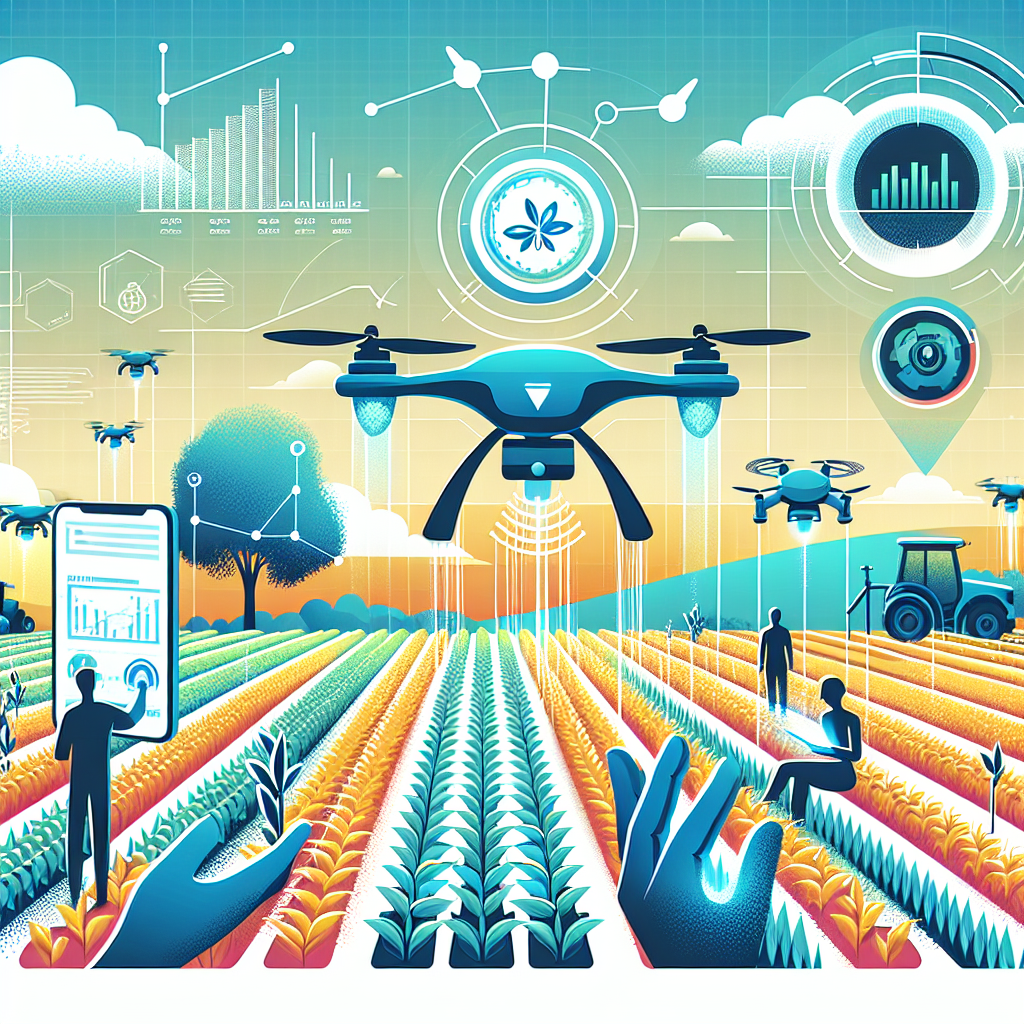
Leveraging AI for Agri-tech Startups
Artificial Intelligence (AI) has been revolutionizing various industries, and agriculture is no exception. Agri-tech startups are increasingly turning to AI to improve efficiency, increase yields, and reduce costs. By leveraging AI technologies, these startups can transform traditional farming practices and address the challenges facing the agriculture sector today.
AI in agriculture involves the use of algorithms, machine learning, and data analytics to analyze and interpret data, make predictions, and automate tasks. This technology can be applied to various aspects of farming, including crop monitoring, pest management, irrigation, and livestock tracking. By harnessing the power of AI, agri-tech startups can enhance decision-making, optimize resources, and increase productivity.
One of the key benefits of AI in agriculture is its ability to collect and analyze vast amounts of data. By utilizing sensors, drones, and other IoT devices, farmers can gather real-time data on soil conditions, weather patterns, crop health, and more. AI algorithms can then process this data to provide valuable insights and recommendations for improving farming practices. For example, AI can help farmers identify areas of a field that require more water or fertilizer, predict crop yields, and detect early signs of disease or pest infestations.
AI can also enable autonomous farming operations, where machines and robots are equipped with AI algorithms to perform tasks such as planting, harvesting, and weeding. These autonomous systems can work around the clock, increasing efficiency and reducing labor costs. By automating repetitive and time-consuming tasks, farmers can focus on more strategic activities and decision-making.
In addition to improving productivity, AI can also help agri-tech startups reduce environmental impact and promote sustainability. By optimizing resource use, such as water, fertilizers, and pesticides, AI can minimize waste and pollution. AI can also support precision agriculture practices, where farmers can tailor their inputs and treatments to specific areas of a field, leading to higher yields and lower costs. By incorporating AI technologies, agri-tech startups can contribute to more sustainable and eco-friendly farming practices.
Furthermore, AI can help agri-tech startups better manage risks and uncertainties in agriculture. By analyzing historical data and predicting future outcomes, AI algorithms can provide farmers with insights into potential risks, such as crop failures, market fluctuations, or weather events. This predictive analysis can help farmers make informed decisions and take proactive measures to mitigate risks. By leveraging AI for risk management, agri-tech startups can enhance their resilience and adaptability in the face of uncertainty.
Overall, AI has the potential to revolutionize the agriculture sector and drive innovation in agri-tech startups. By harnessing the power of AI technologies, these startups can improve efficiency, increase productivity, reduce costs, and promote sustainability. As AI continues to evolve and become more accessible, the opportunities for agri-tech startups to leverage this technology will only grow.
FAQs:
1. What are some examples of AI applications in agriculture?
– AI can be applied to various aspects of farming, including crop monitoring, pest management, irrigation, and livestock tracking. For example, AI algorithms can analyze satellite images to monitor crop health, predict yields, and detect disease outbreaks. AI can also be used to automate tasks such as planting, harvesting, and weeding, using autonomous machines and robots equipped with AI algorithms.
2. How can AI help agri-tech startups increase productivity?
– By analyzing data and providing insights, AI can help farmers optimize their resources, such as water, fertilizers, and pesticides, to increase yields and reduce costs. AI can also enable autonomous farming operations, where machines and robots perform tasks efficiently and accurately, leading to higher productivity and reduced labor costs.
3. How can AI promote sustainability in agriculture?
– AI can support precision agriculture practices, where farmers can tailor their inputs and treatments to specific areas of a field, leading to higher yields and lower costs. By optimizing resource use and minimizing waste, AI can help reduce environmental impact and promote sustainable farming practices.
4. How can AI help agri-tech startups manage risks in agriculture?
– By analyzing data and predicting future outcomes, AI algorithms can provide insights into potential risks, such as crop failures, market fluctuations, or weather events. This predictive analysis can help farmers make informed decisions and take proactive measures to mitigate risks, enhancing their resilience and adaptability in the face of uncertainty.