
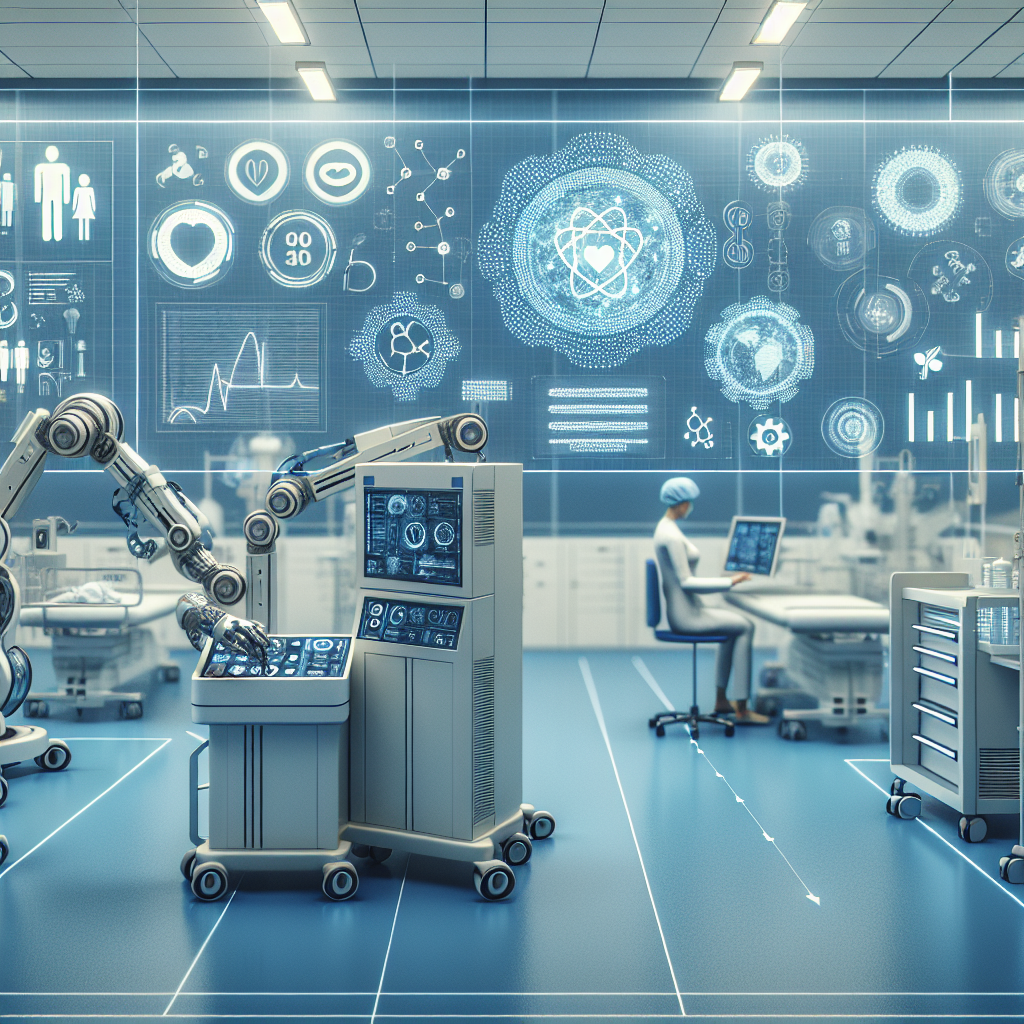
Predictive maintenance is a proactive approach to maintenance that uses data and analytics to predict when equipment is likely to fail so that maintenance can be scheduled before the failure occurs. In the healthcare industry, predictive maintenance can help prevent equipment malfunctions that could potentially jeopardize patient care. By implementing AI-driven solutions for predictive maintenance in healthcare, hospitals and healthcare facilities can improve equipment uptime, reduce maintenance costs, and ultimately enhance patient outcomes.
AI-driven solutions for predictive maintenance in healthcare involve the use of artificial intelligence algorithms to analyze data from equipment sensors and other sources to predict when maintenance is needed. These solutions can help healthcare facilities identify patterns and trends in equipment performance, enabling them to take proactive measures to prevent potential failures.
One key benefit of implementing AI-driven solutions for predictive maintenance in healthcare is the ability to schedule maintenance at the most convenient times, such as during off-peak hours, to minimize disruption to patient care. By predicting when equipment is likely to fail, healthcare facilities can also reduce the risk of unexpected downtime, which can lead to delays in patient care and increased costs.
In addition to improving equipment uptime and reducing maintenance costs, AI-driven solutions for predictive maintenance in healthcare can also help healthcare facilities optimize their maintenance schedules and resources. By using AI algorithms to predict when maintenance is needed, facilities can prioritize maintenance tasks based on criticality and availability of resources, ensuring that the most important equipment is properly maintained at all times.
Furthermore, AI-driven solutions for predictive maintenance in healthcare can also help healthcare facilities improve their overall equipment performance by identifying potential issues before they escalate into major problems. By monitoring equipment performance in real-time and analyzing historical data, AI algorithms can detect anomalies and trends that may indicate impending failures, allowing facilities to take corrective action before a breakdown occurs.
Overall, implementing AI-driven solutions for predictive maintenance in healthcare can help healthcare facilities improve patient care, reduce costs, and increase operational efficiency. By leveraging the power of artificial intelligence to predict equipment failures and schedule maintenance proactively, healthcare facilities can ensure that their equipment is always running at peak performance, ultimately benefiting both patients and healthcare providers.
FAQs:
Q: What types of equipment can benefit from AI-driven predictive maintenance in healthcare?
A: AI-driven predictive maintenance can be applied to a wide range of equipment in healthcare facilities, including imaging devices, laboratory equipment, patient monitors, and HVAC systems, among others.
Q: How does AI-driven predictive maintenance work?
A: AI-driven predictive maintenance works by analyzing data from equipment sensors and other sources to predict when maintenance is needed. Artificial intelligence algorithms can detect patterns and trends in equipment performance, enabling healthcare facilities to take proactive measures to prevent potential failures.
Q: What are the benefits of implementing AI-driven predictive maintenance in healthcare?
A: The benefits of implementing AI-driven predictive maintenance in healthcare include improved equipment uptime, reduced maintenance costs, optimized maintenance schedules and resources, and enhanced overall equipment performance.
Q: Are there any challenges associated with implementing AI-driven predictive maintenance in healthcare?
A: Some challenges associated with implementing AI-driven predictive maintenance in healthcare include data integration issues, the need for specialized expertise, and concerns about data privacy and security. However, with proper planning and implementation, these challenges can be overcome to realize the full benefits of AI-driven predictive maintenance in healthcare.