
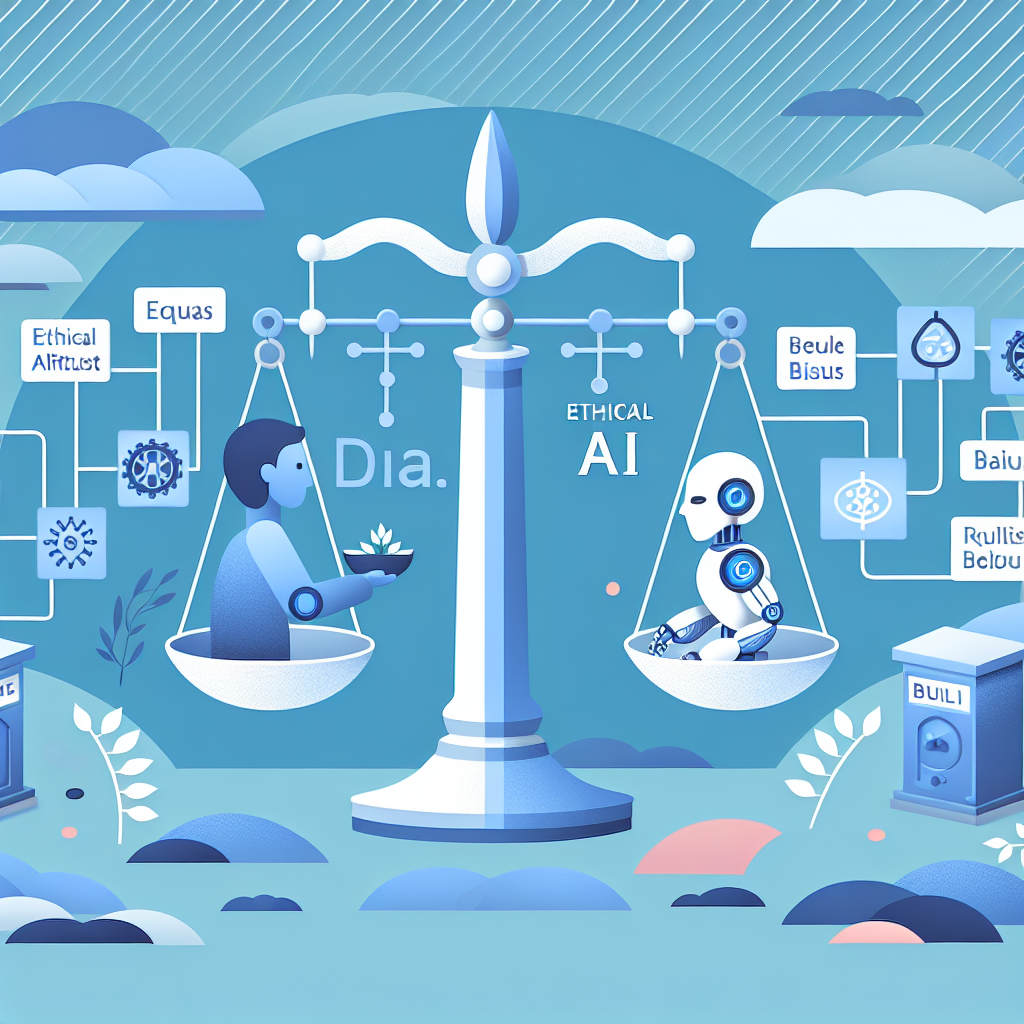
In recent years, the development and deployment of artificial intelligence (AI) have raised concerns about the potential for bias and discrimination in AI systems. As AI becomes more integrated into various aspects of our daily lives, it is crucial to address these issues to ensure that AI technologies are developed and used ethically. In this article, we will explore strategies for addressing bias and discrimination in AI, as well as common questions and concerns surrounding this topic.
What is Bias in AI?
Bias in AI refers to the unfair or prejudiced treatment of individuals or groups based on characteristics such as race, gender, or socioeconomic status. Bias can manifest in various ways in AI systems, including in the data used to train the algorithms, the design of the algorithms themselves, and the decisions made by the algorithms.
One common source of bias in AI is the data used to train the algorithms. If the training data is not representative of the diverse population that the AI system will be interacting with, the system may learn to make biased or discriminatory decisions. For example, if a facial recognition system is trained primarily on data from white individuals, it may have difficulty accurately identifying individuals with darker skin tones.
Bias can also be introduced through the design of the algorithms themselves. For example, algorithms that are trained to optimize for certain outcomes, such as profit or efficiency, may inadvertently perpetuate existing biases in the data. Additionally, biases can be introduced through the selection of features or variables used in the algorithms, which may not accurately capture the complexities of the real world.
Finally, bias can manifest in the decisions made by AI systems. If the algorithms are not transparent or explainable, it can be difficult to understand how decisions are being made and whether bias is present. This lack of transparency can lead to mistrust in AI systems and undermine their potential benefits.
Strategies for Addressing Bias and Discrimination in AI
1. Diverse and Representative Data: One of the most important strategies for addressing bias in AI is to use diverse and representative data to train the algorithms. This includes collecting data from a wide range of sources and ensuring that the data is balanced across different demographic groups. By using diverse data, AI systems can learn to make more fair and unbiased decisions.
2. Algorithmic Fairness: Another key strategy for addressing bias in AI is to design algorithms that are fair and transparent. This includes using techniques such as fairness-aware machine learning, which aims to mitigate bias in the training data and ensure that decisions are made equitably. Additionally, algorithms should be designed to be explainable, so that users can understand how decisions are being made and identify any potential biases.
3. Bias Detection and Mitigation: AI systems should include mechanisms for detecting and mitigating bias in real-time. This may involve monitoring the outcomes of the algorithms and adjusting them if bias is detected. Additionally, bias audits can be conducted periodically to assess the fairness of the AI systems and identify areas for improvement.
4. Diversity in Development Teams: To ensure that bias is addressed at every stage of the AI development process, it is important to have diverse teams working on AI projects. By including individuals from different backgrounds and perspectives, teams can identify and address biases that may not be apparent to others.
FAQs
Q: How can bias in AI be detected?
A: Bias in AI can be detected through various methods, including auditing the training data for representativeness, monitoring the outcomes of the algorithms for disparities, and conducting bias tests using standardized metrics. Additionally, user feedback and input from diverse stakeholders can help identify bias in AI systems.
Q: What are some examples of bias in AI?
A: Examples of bias in AI include facial recognition systems that have difficulty identifying individuals with darker skin tones, predictive policing algorithms that disproportionately target minority communities, and hiring algorithms that favor candidates from certain demographic groups. These examples illustrate the potential harms of bias in AI and the need for ethical considerations in AI development.
Q: How can bias in AI be mitigated?
A: Bias in AI can be mitigated through various strategies, including using diverse and representative data, designing algorithms for fairness and transparency, monitoring outcomes for disparities, and including mechanisms for bias detection and mitigation. Additionally, promoting diversity in AI development teams can help identify and address biases that may be present in the systems.
In conclusion, addressing bias and discrimination in AI is crucial for ensuring that AI technologies are developed and used ethically. By implementing strategies such as using diverse and representative data, designing fair and transparent algorithms, and promoting diversity in development teams, we can work towards creating AI systems that are unbiased and equitable. By addressing bias in AI, we can harness the potential benefits of AI technologies while minimizing their potential harms.