
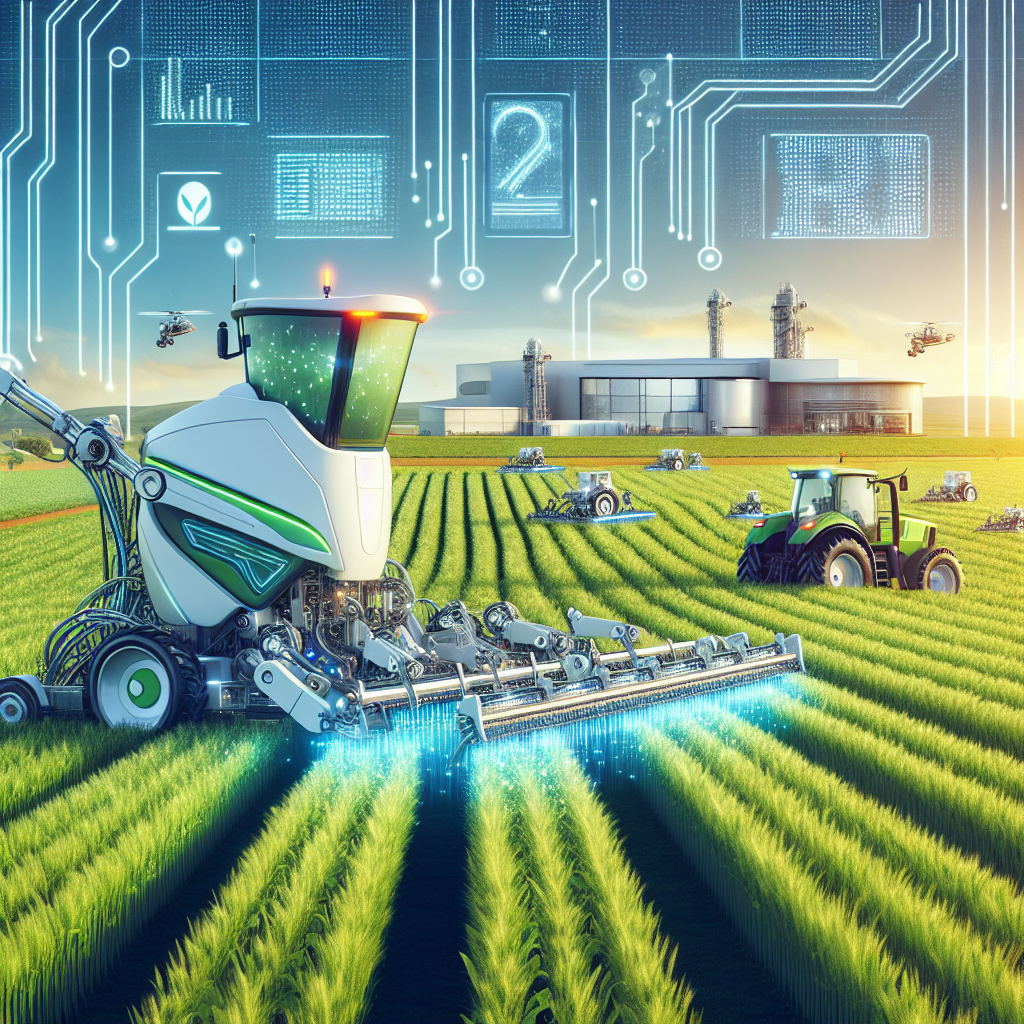
Artificial intelligence (AI) has revolutionized various industries, and the food production sector is no exception. AI software is being utilized by food manufacturers and producers to improve efficiency, increase productivity, reduce wastage, and ensure food safety. In this article, we will delve into the role of AI software in food production and explore its impact on the industry.
AI in Food Production
AI software is being used in various aspects of food production, from farm to table. Here are some key areas where AI is making a significant impact:
1. Predictive Maintenance: AI algorithms can analyze data from sensors and other sources to predict when equipment in a food production facility is likely to fail. By identifying potential issues before they occur, AI software helps prevent costly downtime and improve overall equipment efficiency.
2. Quality Control: AI-powered image recognition systems can be used to inspect food products for defects, ensuring they meet quality standards before they are packaged and shipped. This technology can detect imperfections that may be missed by human inspectors, leading to higher levels of product quality and consistency.
3. Supply Chain Management: AI software can optimize supply chain operations by analyzing data on inventory levels, demand forecasts, and shipping routes. By identifying inefficiencies and recommending improvements, AI helps food producers streamline their operations and reduce costs.
4. Food Safety: AI algorithms can monitor food production processes in real-time to detect anomalies that may indicate contamination or other safety hazards. By flagging potential issues early on, AI software helps ensure the safety of food products before they reach consumers.
5. Personalized Nutrition: AI-powered apps and platforms can analyze user data, such as dietary preferences and health goals, to provide personalized nutrition recommendations. By tailoring meal plans to individual needs, AI software helps consumers make healthier food choices.
6. Sustainability: AI software can help food producers reduce their environmental impact by optimizing energy usage, minimizing waste, and promoting sustainable farming practices. By analyzing data on resource consumption and emissions, AI helps companies make more environmentally conscious decisions.
FAQs
Q: How does AI software improve food safety in production facilities?
A: AI algorithms can monitor production processes in real-time to detect anomalies that may indicate contamination or other safety hazards. By flagging potential issues early on, AI software helps ensure the safety of food products before they reach consumers.
Q: How can AI software help food producers reduce waste?
A: AI software can analyze data on production processes and supply chain operations to identify inefficiencies that lead to waste. By optimizing processes and recommending improvements, AI helps food producers minimize wastage and reduce costs.
Q: Can AI software help food producers comply with regulations?
A: Yes, AI software can help food producers comply with regulations by monitoring production processes and ensuring that products meet quality and safety standards. By automating compliance checks, AI software helps companies avoid costly fines and penalties.
Q: How does AI software optimize supply chain operations in the food industry?
A: AI software can analyze data on inventory levels, demand forecasts, and shipping routes to identify inefficiencies in the supply chain. By recommending improvements and optimizing operations, AI helps food producers streamline their supply chain and reduce costs.
Q: What are some examples of AI applications in food production?
A: Some examples of AI applications in food production include predictive maintenance, quality control, supply chain management, food safety monitoring, personalized nutrition recommendations, and sustainability initiatives.
In conclusion, AI software is playing a crucial role in transforming the food production industry. By leveraging AI algorithms to optimize processes, improve quality control, enhance food safety, and promote sustainability, food producers can streamline operations, reduce costs, and deliver higher-quality products to consumers. As the technology continues to advance, we can expect to see even more innovative applications of AI in food production in the future.