
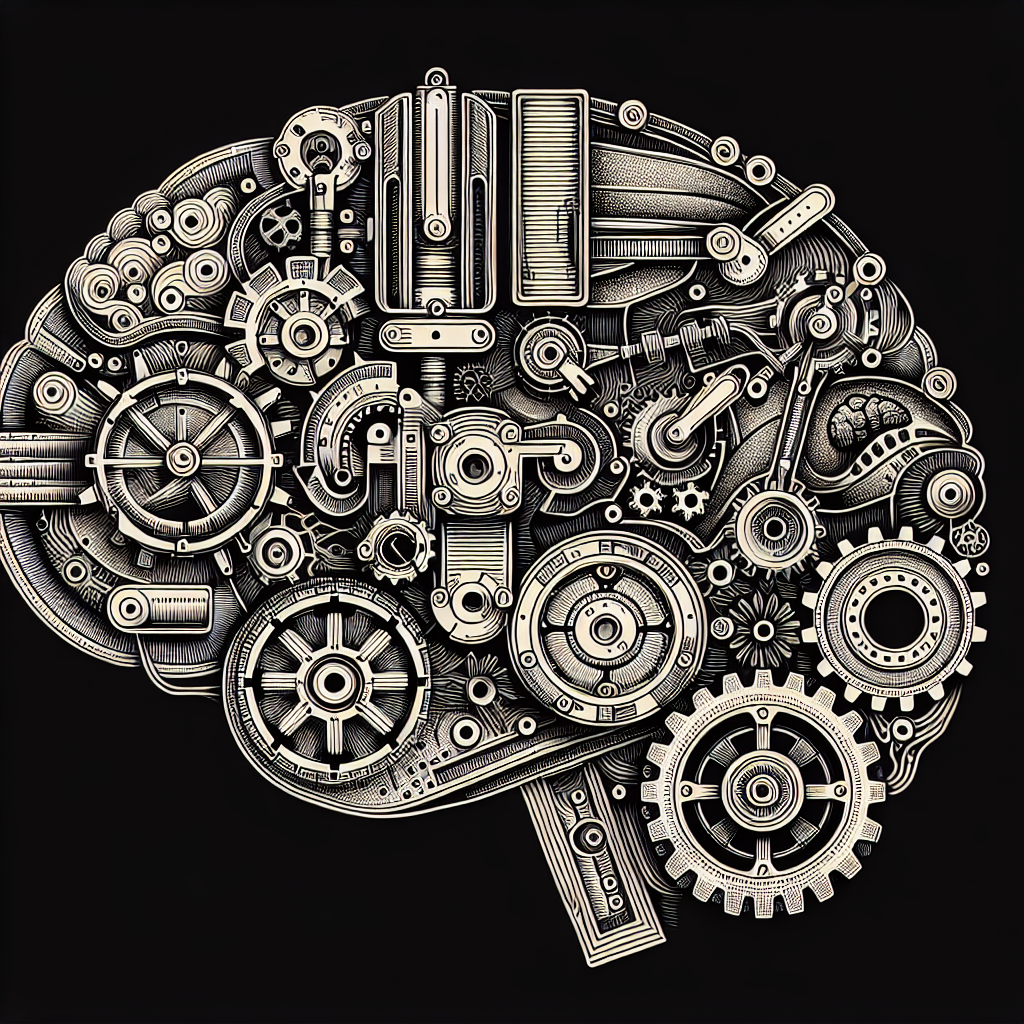
Machine learning is a powerful tool that plays a crucial role in the development of artificial intelligence (AI). These two technologies work hand in hand to enable machines to learn from and adapt to new data without being explicitly programmed. With the help of machine learning algorithms, AI systems can make predictions, identify patterns, and make decisions autonomously.
The Role of Machine Learning in AI Development
Machine learning is a subset of AI that focuses on developing algorithms that can learn from and make predictions or decisions based on data. In the context of AI development, machine learning plays a key role in enabling intelligent systems to learn from experience and improve over time.
One of the main advantages of using machine learning in AI development is its ability to handle large amounts of complex data. Machine learning algorithms can process and analyze vast quantities of data to identify patterns and make predictions. This allows AI systems to make better decisions and provide more accurate results.
Another important aspect of machine learning in AI development is its ability to adapt to new data and changing circumstances. Machine learning algorithms can continuously learn from new data and adjust their models accordingly. This enables AI systems to stay up-to-date and make informed decisions in real-time.
Machine learning also plays a crucial role in enabling AI systems to perform tasks that would be difficult or impossible for humans to do manually. For example, machine learning algorithms can be used to analyze medical images and identify potential diseases, or to predict customer preferences based on past behavior.
In addition, machine learning algorithms can be used to automate repetitive tasks and streamline processes in various industries. This can lead to increased efficiency, cost savings, and improved overall performance.
Overall, machine learning is an essential component of AI development, enabling intelligent systems to learn, adapt, and make decisions autonomously based on data.
FAQs
Q: What are the different types of machine learning algorithms used in AI development?
A: There are several types of machine learning algorithms used in AI development, including supervised learning, unsupervised learning, and reinforcement learning. Supervised learning involves training a model on labeled data, where the correct output is provided. Unsupervised learning involves training a model on unlabeled data, where the model must identify patterns or relationships on its own. Reinforcement learning involves training a model to make sequential decisions based on rewards or penalties.
Q: How is machine learning different from traditional programming?
A: In traditional programming, developers write code to explicitly define the logic and rules that govern how a system operates. In machine learning, algorithms are trained on data to learn patterns and make predictions or decisions autonomously. This allows AI systems to adapt and improve over time without the need for constant manual intervention.
Q: What are some common applications of machine learning in AI development?
A: Machine learning is used in a wide range of applications in AI development, including natural language processing, image recognition, recommendation systems, autonomous vehicles, and predictive analytics. These applications leverage machine learning algorithms to analyze data, make predictions, and make decisions in real-time.
Q: How can businesses benefit from using machine learning in AI development?
A: Businesses can benefit from using machine learning in AI development in several ways, including improved decision-making, increased efficiency, cost savings, and enhanced customer experiences. Machine learning algorithms can help businesses analyze data, identify patterns, and make predictions to drive better outcomes and gain a competitive edge in the market.
In conclusion, machine learning plays a critical role in the development of artificial intelligence, enabling intelligent systems to learn, adapt, and make decisions autonomously based on data. By leveraging machine learning algorithms, AI systems can analyze complex data, identify patterns, and make predictions to drive better outcomes in various industries. With the continued advancements in machine learning technology, the possibilities for AI development are endless, and the potential for innovation and growth is limitless.