
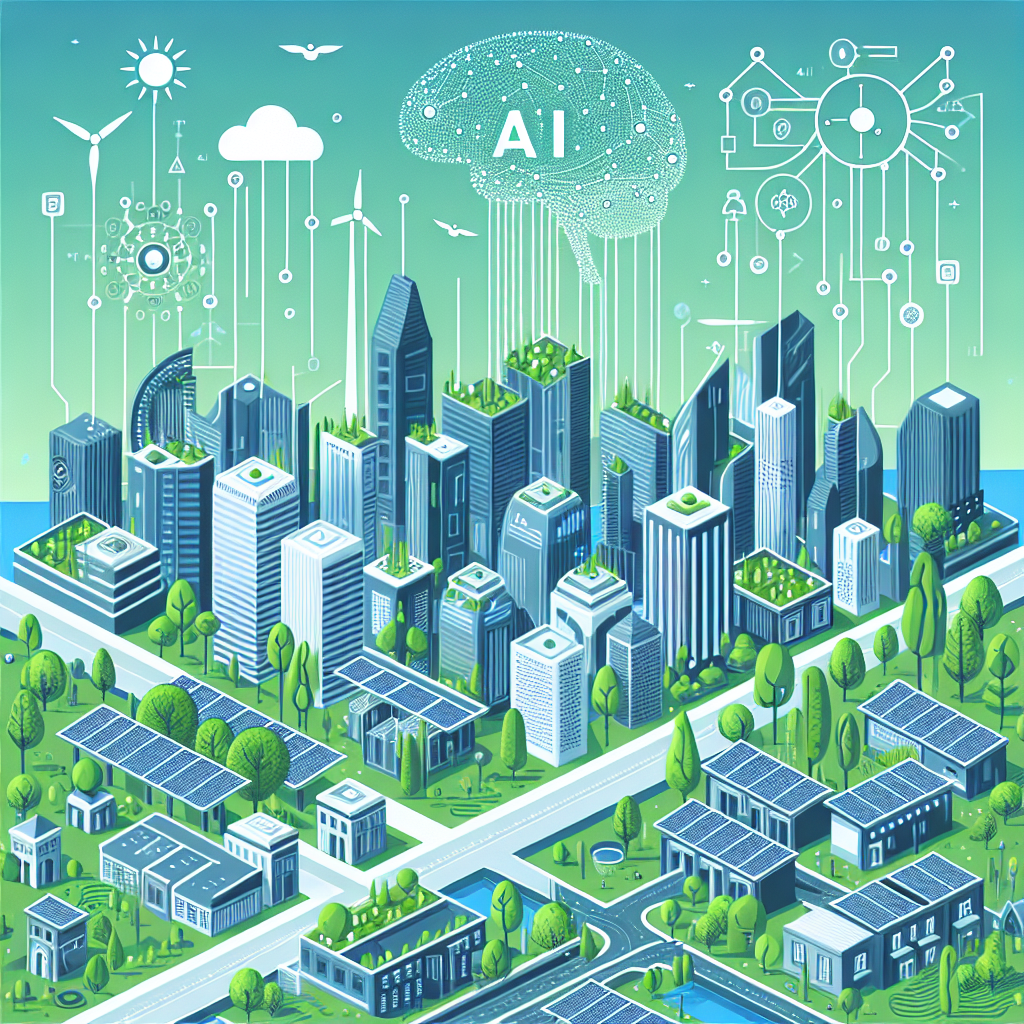
Sustainable urban development is a critical issue facing cities around the world as they grapple with the challenges of rapid urbanization, resource depletion, and climate change. In recent years, the integration of artificial intelligence (AI) technologies has emerged as a powerful tool for addressing these complex challenges and driving more sustainable urban development.
AI has the potential to revolutionize urban planning, transportation, energy management, waste reduction, and other key aspects of city living. By leveraging AI technologies, cities can collect and analyze vast amounts of data to make more informed decisions, optimize resource allocation, and improve overall quality of life for residents.
One of the key areas where AI is making a significant impact on sustainable urban development is in the realm of transportation. AI-powered solutions are being used to optimize traffic flow, reduce congestion, and improve public transportation systems. For example, smart traffic management systems can analyze real-time traffic data and adjust traffic signals to minimize delays and reduce emissions. Similarly, AI-powered ride-sharing services are helping to reduce the number of cars on the road, leading to less congestion and lower carbon emissions.
In addition to transportation, AI is also being used to enhance energy efficiency in cities. Smart grid technologies are using AI algorithms to predict energy demand, optimize energy distribution, and reduce overall energy consumption. By integrating AI into energy management systems, cities can better track and manage energy usage, leading to cost savings and reduced environmental impact.
Furthermore, AI is playing a crucial role in waste management and recycling efforts in urban areas. AI-powered waste sorting systems can identify and separate different types of materials more efficiently than traditional methods, leading to higher recycling rates and less waste going to landfills. Additionally, AI algorithms are being used to optimize waste collection routes, reducing fuel consumption and emissions from garbage trucks.
Overall, the integration of AI into sustainable urban development initiatives is enabling cities to become smarter, more efficient, and more environmentally friendly. By harnessing the power of AI technologies, cities can make more informed decisions, optimize resource allocation, and create more sustainable urban environments for future generations.
Frequently Asked Questions (FAQs):
Q: How is AI being used in urban planning?
A: AI is being used in urban planning to analyze data on population growth, land use, transportation patterns, and other key factors to help city planners make more informed decisions. By using AI algorithms, cities can develop more efficient land use plans, optimize transportation networks, and create more sustainable urban environments.
Q: What are some examples of AI-powered solutions in sustainable urban development?
A: Some examples of AI-powered solutions in sustainable urban development include smart traffic management systems, energy management systems, waste sorting technologies, and predictive maintenance systems for infrastructure. These solutions leverage AI algorithms to optimize resource allocation, reduce emissions, and improve overall quality of life in cities.
Q: How can AI help cities reduce their carbon footprint?
A: AI can help cities reduce their carbon footprint by optimizing energy consumption, improving transportation systems, and increasing recycling rates. By using AI-powered solutions, cities can identify inefficiencies, reduce waste, and make more sustainable choices that lead to lower carbon emissions.
Q: What are some challenges to implementing AI in sustainable urban development?
A: Some challenges to implementing AI in sustainable urban development include data privacy concerns, lack of technical expertise, and high upfront costs. Additionally, there may be resistance from residents or city officials who are skeptical of new technologies or concerned about potential job losses.
Q: What are the potential benefits of leveraging AI for sustainable urban development?
A: The potential benefits of leveraging AI for sustainable urban development include improved resource allocation, reduced environmental impact, increased efficiency, and enhanced quality of life for residents. By using AI technologies, cities can make smarter decisions, optimize their infrastructure, and create more sustainable urban environments for future generations.