
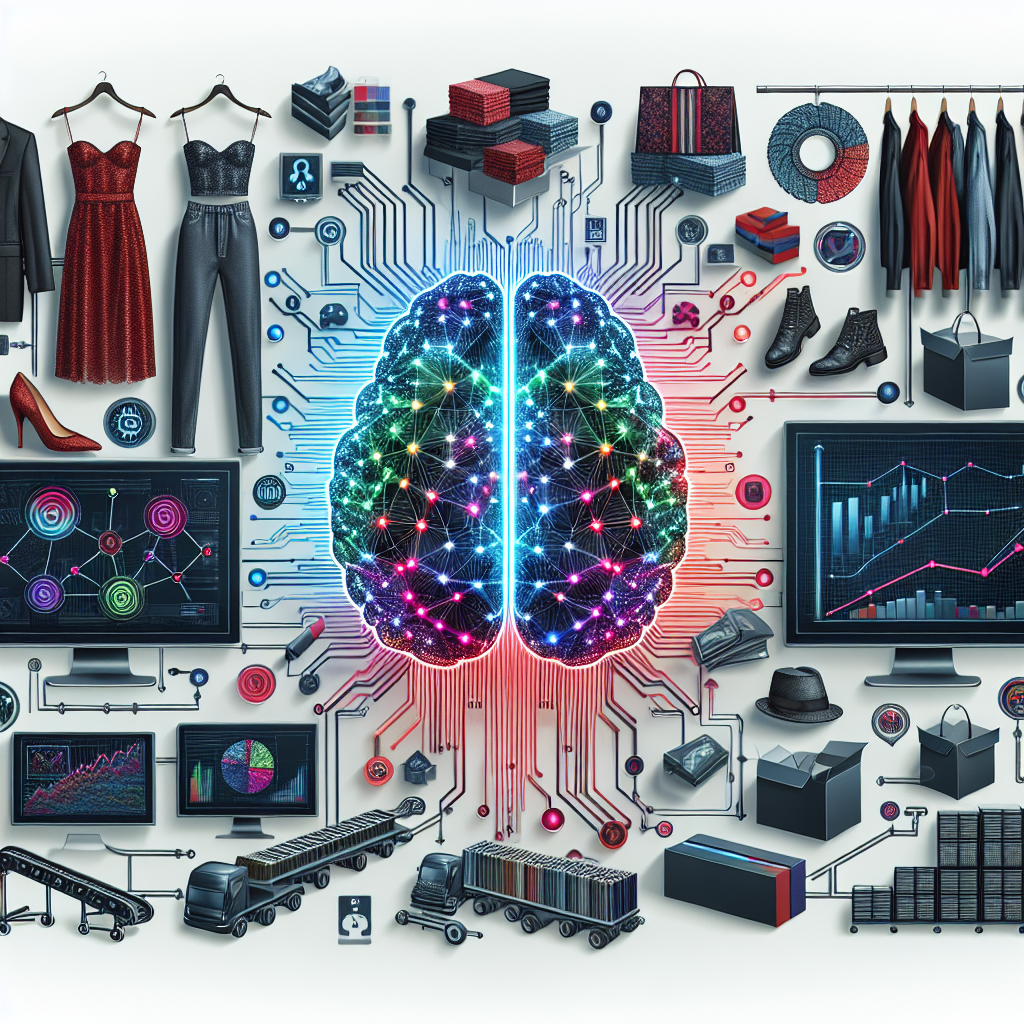
The Impact of AI on Supply Chain Management in the Fashion Industry
In recent years, the fashion industry has seen a dramatic shift in the way supply chains are managed. With the rise of artificial intelligence (AI) technology, companies are able to streamline their operations, reduce costs, and improve efficiency in ways that were previously unimaginable. From inventory management to production forecasting, AI is revolutionizing the way fashion brands operate. In this article, we will explore the impact of AI on supply chain management in the fashion industry and discuss the benefits and challenges that come with implementing this technology.
Benefits of AI in Supply Chain Management
1. Inventory Management: One of the biggest challenges faced by fashion brands is managing inventory levels to meet demand while minimizing excess stock. AI algorithms can analyze historical sales data, consumer trends, and market conditions to accurately predict future demand. This allows companies to optimize their inventory levels, reduce stockouts, and improve overall profitability.
2. Production Forecasting: AI can also be used to forecast production levels more accurately. By analyzing data from suppliers, manufacturers, and sales channels, AI algorithms can determine the optimal production schedule to meet demand while minimizing costs. This can help fashion brands reduce lead times, improve product availability, and increase customer satisfaction.
3. Supply Chain Visibility: AI technology can provide real-time visibility into the entire supply chain, allowing companies to track the movement of raw materials, components, and finished products at every stage of the production process. This visibility can help brands identify bottlenecks, optimize logistics routes, and improve overall efficiency.
4. Demand Planning: AI can help fashion brands better understand consumer preferences and predict future trends. By analyzing social media data, online reviews, and other sources of customer feedback, AI algorithms can identify emerging trends and help companies tailor their product offerings to meet changing consumer demand.
Challenges of Implementing AI in Supply Chain Management
While the benefits of AI in supply chain management are clear, there are also challenges that come with implementing this technology. Some of the key challenges include:
1. Data Integration: AI algorithms rely on vast amounts of data to make accurate predictions. However, many fashion brands struggle to integrate data from different sources, such as sales channels, suppliers, and manufacturers. Without a unified data infrastructure, it can be difficult to leverage AI technology effectively.
2. Skill Gap: Implementing AI technology requires a high level of technical expertise. Many fashion brands lack the in-house talent needed to develop and deploy AI algorithms. As a result, companies may need to invest in training or hire external consultants to help them implement AI in their supply chain operations.
3. Cost: Implementing AI technology can be expensive, especially for small and medium-sized fashion brands. Companies may need to invest in new software, hardware, and training programs to fully leverage the benefits of AI in their supply chain management. Additionally, there may be ongoing maintenance costs associated with keeping AI systems up to date.
4. Resistance to Change: Some employees may be resistant to adopting AI technology, fearing that it will replace their jobs or disrupt existing workflows. To overcome this challenge, companies must communicate the benefits of AI to their employees and provide training and support to help them adapt to the new technology.
FAQs
1. How can AI help fashion brands improve inventory management?
AI algorithms can analyze historical sales data, consumer trends, and market conditions to accurately predict future demand. This allows companies to optimize their inventory levels, reduce stockouts, and improve overall profitability.
2. What role does AI play in production forecasting?
AI can be used to forecast production levels more accurately by analyzing data from suppliers, manufacturers, and sales channels. This helps companies determine the optimal production schedule to meet demand while minimizing costs.
3. How does AI technology improve supply chain visibility?
AI technology provides real-time visibility into the entire supply chain, allowing companies to track the movement of raw materials, components, and finished products at every stage of the production process. This visibility helps brands identify bottlenecks, optimize logistics routes, and improve overall efficiency.
4. What are the key challenges of implementing AI in supply chain management?
Some of the key challenges of implementing AI in supply chain management include data integration, skill gap, cost, and resistance to change. Companies must address these challenges to fully leverage the benefits of AI technology in their operations.
In conclusion, AI technology is transforming the way fashion brands manage their supply chains. By leveraging AI algorithms for inventory management, production forecasting, supply chain visibility, and demand planning, companies can improve efficiency, reduce costs, and meet changing consumer demand. While there are challenges associated with implementing AI technology, the benefits far outweigh the costs. As the fashion industry continues to evolve, AI will play an increasingly important role in helping companies stay competitive in a rapidly changing market.