
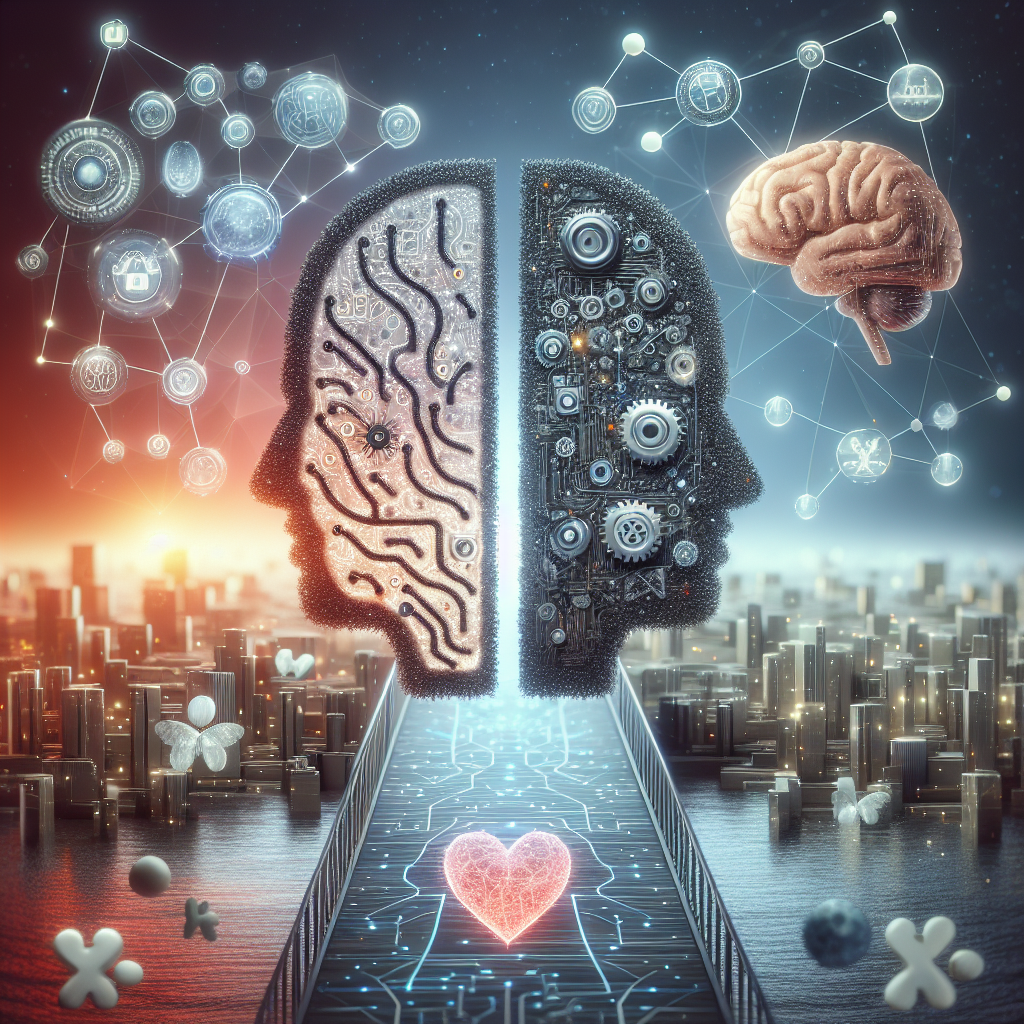
The Impact of AI Deployment on Mental Health and Well-being
Artificial Intelligence (AI) has become increasingly prevalent in our society, with applications ranging from virtual assistants like Siri and Alexa to complex algorithms used in healthcare and finance. While AI has the potential to revolutionize industries and improve efficiency, there is growing concern about its impact on mental health and well-being. In this article, we will explore the various ways in which AI deployment can affect individuals’ mental health and well-being, as well as potential solutions to mitigate these negative impacts.
Impact of AI on Mental Health
One of the main concerns surrounding AI deployment is its potential to exacerbate feelings of anxiety and stress. As AI technology becomes more advanced, there is a fear that it will replace human workers in various industries, leading to job loss and economic instability. This uncertainty about the future of work can contribute to feelings of anxiety and stress among individuals who fear being replaced by machines.
Additionally, the use of AI in social media platforms and online advertising can have negative effects on mental health. AI algorithms are designed to track users’ online behavior and preferences in order to deliver targeted advertisements. This can create a sense of invasion of privacy and contribute to feelings of being constantly monitored and manipulated.
Furthermore, the rise of AI-powered chatbots and virtual assistants can lead to feelings of isolation and loneliness. While these technologies are designed to provide convenience and assistance, they lack the human touch and emotional connection that comes from interacting with another person. This can lead to feelings of detachment and disconnection from others, which can negatively impact mental health.
Impact of AI on Well-being
In addition to its impact on mental health, AI deployment can also affect individuals’ overall well-being. One of the main concerns is the potential for AI to perpetuate biases and discrimination. AI algorithms are trained on large datasets that may contain biased or discriminatory information, which can result in biased decision-making in various applications, such as hiring processes and loan approvals. This can lead to inequities and injustices that can harm individuals’ well-being.
Furthermore, the use of AI in healthcare can raise ethical concerns about privacy and consent. AI algorithms are increasingly being used to analyze patient data and make medical diagnoses, raising questions about the security and confidentiality of this sensitive information. Additionally, the use of AI in mental health diagnosis and treatment can raise concerns about the accuracy and reliability of these technologies, as well as the potential for over-reliance on AI at the expense of human judgment and empathy.
Potential Solutions
Despite these potential negative impacts, there are steps that can be taken to mitigate the effects of AI deployment on mental health and well-being. One approach is to prioritize transparency and accountability in the development and deployment of AI technologies. This includes ensuring that AI algorithms are designed and trained in an ethical and unbiased manner, and that individuals are informed about how their data is being used and protected.
Another approach is to prioritize human-centered design in the development of AI technologies. This involves incorporating human values and perspectives into the design process, in order to ensure that AI technologies are aligned with the needs and preferences of users. This can help to create AI systems that are more user-friendly, trustworthy, and supportive of individuals’ mental health and well-being.
Frequently Asked Questions (FAQs)
Q: Can AI technologies be used to improve mental health and well-being?
A: Yes, AI technologies have the potential to be used in a positive way to improve mental health and well-being. For example, AI-powered chatbots and virtual assistants can provide support and resources to individuals experiencing mental health challenges, such as anxiety or depression. Additionally, AI algorithms can be used to analyze large datasets of patient information in order to identify patterns and trends that can inform more effective treatment strategies.
Q: How can individuals protect their mental health in the age of AI?
A: One way individuals can protect their mental health in the age of AI is to be mindful of their online behavior and privacy settings. This includes being aware of how their data is being collected and used by AI algorithms, and taking steps to limit the amount of personal information they share online. Additionally, individuals can prioritize human connections and relationships in order to counteract feelings of isolation and loneliness that may arise from interacting with AI technologies.
Q: What role can policymakers play in mitigating the negative impacts of AI deployment on mental health and well-being?
A: Policymakers have an important role to play in ensuring that AI technologies are developed and deployed in an ethical and responsible manner. This includes enacting regulations and guidelines that promote transparency, accountability, and fairness in the use of AI, as well as protecting individuals’ privacy and data rights. Policymakers can also support initiatives that prioritize human-centered design and the well-being of individuals in the development of AI technologies.
In conclusion, the deployment of AI technologies has the potential to impact individuals’ mental health and well-being in various ways. While there are concerns about the potential negative effects of AI on mental health and well-being, there are also opportunities to leverage AI in a positive way to support individuals’ mental health and well-being. By prioritizing transparency, accountability, and human-centered design in the development and deployment of AI technologies, we can work towards creating a future in which AI enhances, rather than detracts from, individuals’ mental health and well-being.