
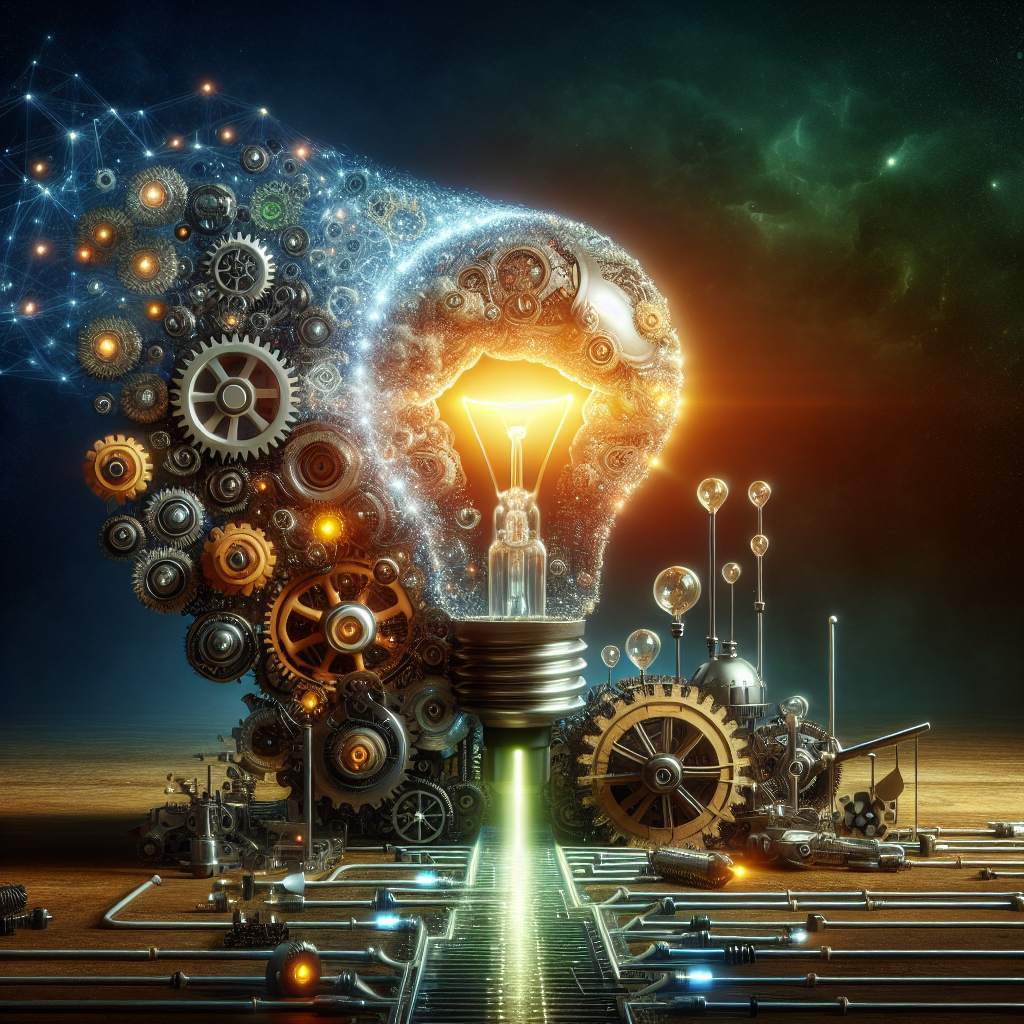
AI-Powered Creativity: The Next Frontier in Innovation
Artificial Intelligence (AI) has been disrupting various industries for years, from healthcare to finance to education. One area where AI is making a significant impact is in the realm of creativity. AI-powered creativity is revolutionizing the way we think about innovation and problem-solving, and it is opening up new possibilities for artists, designers, and entrepreneurs alike.
AI-powered creativity refers to the use of artificial intelligence algorithms and technologies to enhance and augment human creativity. These tools can help generate new ideas, designs, and solutions that may not have been possible through traditional methods alone. By leveraging AI, creators can push the boundaries of what is possible and explore new ways of thinking and creating.
One of the key benefits of AI-powered creativity is its ability to rapidly generate and test a large number of ideas. For example, AI algorithms can analyze large datasets of images, text, or other creative content to identify patterns and trends that humans may not have noticed. This can help creators come up with new ideas or solutions more quickly and efficiently.
AI-powered creativity can also help creators overcome common creative blocks or challenges. For example, AI tools can suggest alternative design options, provide feedback on a work in progress, or even generate entirely new concepts based on a set of criteria. This can help creators break out of their usual patterns of thinking and explore new directions for their work.
Another benefit of AI-powered creativity is its ability to personalize and tailor creative experiences to individual preferences. For example, AI algorithms can analyze a user’s past work or preferences to suggest new ideas or techniques that may be of interest. This can help creators discover new styles or approaches that they may not have considered before.
AI-powered creativity is also opening up new possibilities for collaboration and co-creation. For example, AI tools can help facilitate collaboration between artists, designers, and other creatives by providing a platform for sharing ideas, feedback, and resources. This can help creators work together more effectively and efficiently, leading to new and innovative outcomes.
In addition to these benefits, AI-powered creativity is also raising important questions and challenges for creators and society as a whole. For example, there are concerns about the impact of AI on traditional creative industries, such as design, art, and music. Will AI tools replace human creators, or will they augment and enhance human creativity? How will AI-powered creativity affect the way we value and consume creative work?
There are also ethical considerations to take into account when using AI in creative processes. For example, who owns the rights to creative work generated by AI algorithms? How can we ensure that AI-powered creativity is used ethically and responsibly, without perpetuating biases or stereotypes?
Despite these challenges, the potential of AI-powered creativity is vast and exciting. As AI technologies continue to improve and evolve, we can expect to see even more innovative and groundbreaking applications of AI in the creative industries. From music composition to fashion design to advertising, AI-powered creativity is poised to revolutionize the way we think about and create art and innovation.
FAQs
Q: Will AI replace human creativity?
A: While AI algorithms are capable of generating creative content, they are not a replacement for human creativity. Instead, AI can augment and enhance human creativity by providing new tools and techniques for generating ideas and solving problems.
Q: How can AI-powered creativity benefit artists and designers?
A: AI-powered creativity can help artists and designers generate new ideas, overcome creative blocks, and collaborate more effectively with others. AI tools can also help personalize creative experiences and suggest new techniques or styles based on individual preferences.
Q: What are the ethical considerations of using AI in creative processes?
A: There are ethical considerations to take into account when using AI in creative processes, such as ensuring that AI-powered creativity is used responsibly and ethically, and addressing issues of ownership and bias in AI-generated content.
Q: What are some examples of AI-powered creativity in action?
A: Examples of AI-powered creativity include AI-generated music compositions, AI-designed fashion collections, and AI-assisted advertising campaigns. These examples showcase the diverse ways in which AI can be used to enhance and augment human creativity in various industries.
In conclusion, AI-powered creativity is the next frontier in innovation, offering new possibilities for artists, designers, and entrepreneurs to push the boundaries of what is possible. By leveraging AI algorithms and technologies, creators can generate new ideas, overcome creative blocks, and collaborate more effectively with others. While there are challenges and ethical considerations to consider, the potential of AI-powered creativity is vast and exciting, with the promise of revolutionizing the way we think about and create art and innovation.