
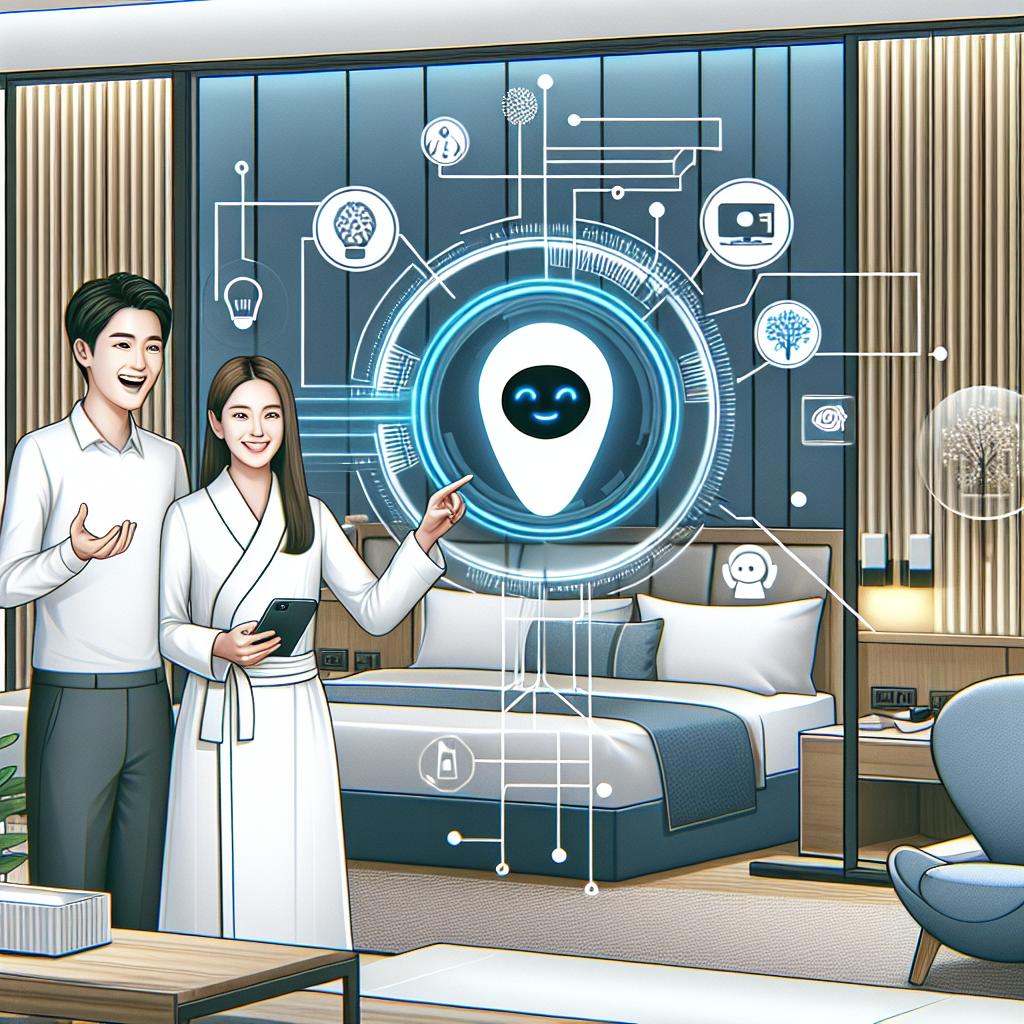
In today’s digital age, hospitality industry is constantly evolving to meet the changing needs and expectations of guests. One of the most significant advancements in recent years is the integration of artificial intelligence (AI) technology to enhance the in-room guest experience. From personalized recommendations to automated room service requests, AI is revolutionizing the way hotels interact with their guests.
AI technology has the ability to collect and analyze vast amounts of data in real time, allowing hotels to anticipate the needs and preferences of their guests. This level of personalization not only enhances the overall guest experience, but also increases guest satisfaction and loyalty.
One of the key ways AI is being used to enhance the in-room guest experience is through the implementation of virtual assistants. These AI-powered chatbots can provide guests with information about hotel amenities, local attractions, and even assist with room service orders. By simply sending a text message or speaking to a virtual assistant, guests can easily access the information they need, without having to pick up the phone or wait in line at the front desk.
In addition to virtual assistants, AI technology is also being used to personalize the guest experience through the use of predictive analytics. By analyzing guest data such as previous stay history, preferences, and booking patterns, hotels can tailor their services and offerings to meet the individual needs of each guest. For example, if a guest frequently orders room service for breakfast, the hotel can proactively offer a breakfast package as part of the booking process.
Furthermore, AI technology can also be used to enhance the in-room entertainment experience. By analyzing a guest’s viewing history and preferences, hotels can recommend movies, TV shows, and other content that they are likely to enjoy. This level of personalization not only enhances the guest experience, but also increases in-room revenue through the sale of premium content.
Another way AI is being used to enhance the in-room guest experience is through the implementation of smart room technology. By connecting in-room devices such as lighting, temperature control, and entertainment systems to a central AI platform, hotels can offer guests a seamless and convenient experience. For example, guests can use voice commands to adjust the temperature, dim the lights, or even order room service, all without having to leave the comfort of their bed.
Overall, the integration of AI technology into the hospitality industry is revolutionizing the way hotels interact with their guests. By providing personalized recommendations, predictive analytics, and smart room technology, hotels can create a unique and memorable guest experience that keeps guests coming back time and time again.
FAQs
Q: How does AI technology enhance the in-room guest experience?
A: AI technology enhances the in-room guest experience by providing personalized recommendations, predictive analytics, and smart room technology. This level of personalization not only enhances the overall guest experience, but also increases guest satisfaction and loyalty.
Q: What are some examples of how AI is being used to enhance the in-room guest experience?
A: Some examples of how AI is being used to enhance the in-room guest experience include the implementation of virtual assistants, predictive analytics, and smart room technology. Virtual assistants can provide guests with information about hotel amenities, local attractions, and assist with room service orders. Predictive analytics can tailor services and offerings to meet the individual needs of each guest. Smart room technology can connect in-room devices to a central AI platform, offering guests a seamless and convenient experience.
Q: How can hotels benefit from using AI to enhance the in-room guest experience?
A: Hotels can benefit from using AI to enhance the in-room guest experience by increasing guest satisfaction and loyalty, generating additional revenue through personalized recommendations and in-room entertainment, and streamlining operations through the use of smart room technology. By providing a unique and memorable guest experience, hotels can differentiate themselves from competitors and attract repeat business.
Q: What are some challenges associated with implementing AI technology in the hospitality industry?
A: Some challenges associated with implementing AI technology in the hospitality industry include data privacy concerns, the need for ongoing training and support for staff, and the initial investment required to implement AI technology. Hotels must also ensure that AI technology is seamlessly integrated into existing systems and processes to maximize its effectiveness in enhancing the in-room guest experience.