
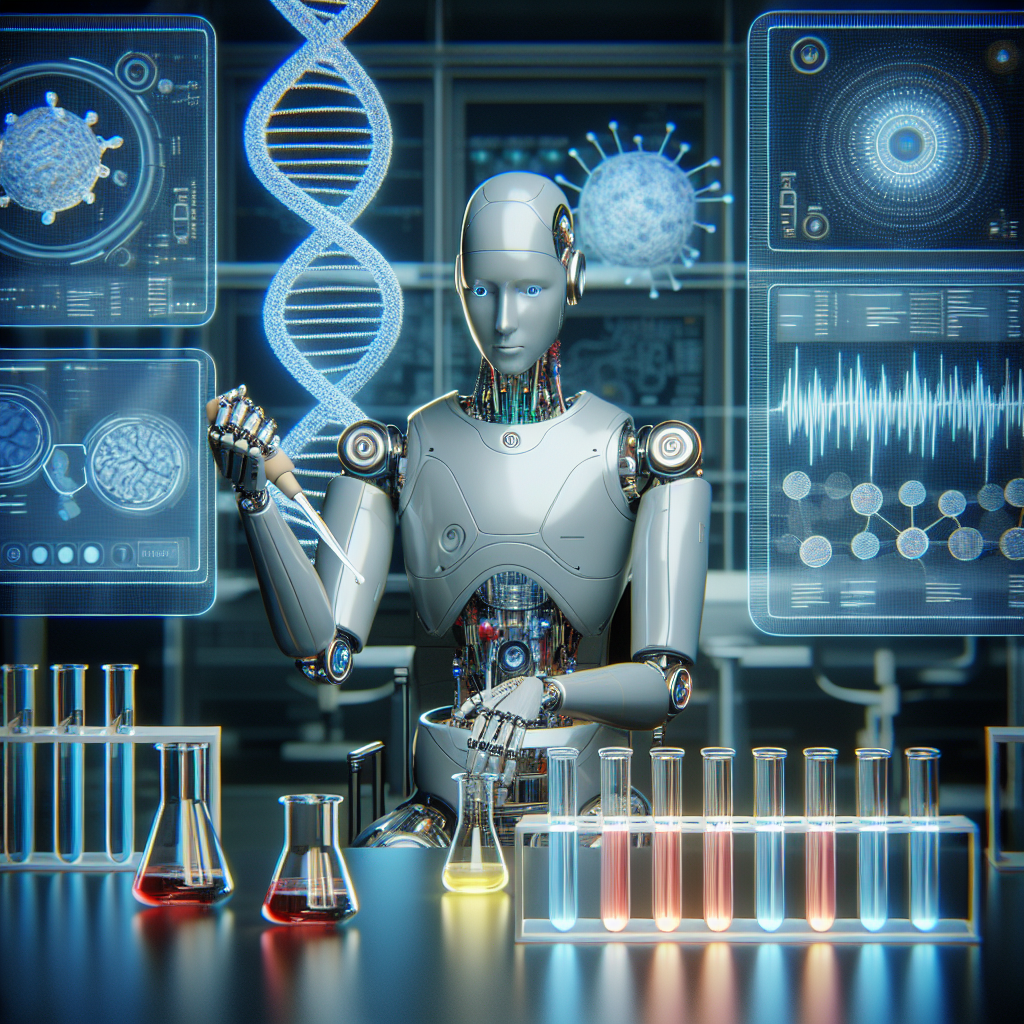
Advancements in artificial intelligence (AI) technology have revolutionized many industries, and healthcare is no exception. One area where AI is making a significant impact is in personalized medicine. Personalized medicine, also known as precision medicine, is a medical approach that uses detailed information about an individual’s genetic makeup, lifestyle, and environment to tailor medical treatment to their specific needs. AI automation is enhancing personalized medicine by streamlining processes, analyzing data more efficiently, and providing more accurate and personalized treatment options.
One of the key ways AI automation is enhancing personalized medicine is by analyzing vast amounts of data quickly and accurately. In personalized medicine, data is crucial in determining the best treatment for an individual. AI algorithms can sift through massive amounts of genetic, clinical, and lifestyle data to identify patterns and correlations that humans may not be able to detect. This allows healthcare providers to make more informed decisions about treatment options and predict patient outcomes more accurately.
For example, AI-powered algorithms can analyze a patient’s genetic data to predict their risk of developing certain diseases or how they may respond to a particular medication. This information can help doctors tailor treatment plans to the individual’s specific needs, leading to more effective and personalized care.
AI automation is also improving the speed and efficiency of personalized medicine. Traditionally, analyzing large datasets and identifying patterns could take weeks or even months for humans to complete. However, AI algorithms can process this information in a fraction of the time, allowing healthcare providers to make faster, more informed decisions about treatment options.
Additionally, AI automation can help healthcare providers prioritize patient care by identifying high-risk individuals who may benefit from more personalized treatment plans. By flagging patients who are at higher risk for certain conditions or who may not respond well to standard treatments, AI automation can help healthcare providers allocate resources more efficiently and provide better care to those who need it most.
Furthermore, AI automation in personalized medicine is improving patient outcomes by reducing the likelihood of human error. AI algorithms are not prone to the same biases or fatigue that can affect human decision-making, leading to more consistent and accurate treatment recommendations. This can result in better outcomes for patients and reduce the likelihood of adverse events.
In addition to improving patient care, AI automation in personalized medicine is also driving advancements in research and drug development. By analyzing large datasets and identifying patterns, AI algorithms can help researchers uncover new insights into disease mechanisms, identify potential drug targets, and develop more effective treatments. This can lead to the development of personalized therapies that target the specific genetic mutations or biomarkers of individual patients, leading to more targeted and effective treatments.
Overall, AI automation is transforming personalized medicine by improving the speed, accuracy, and efficiency of healthcare delivery, leading to better outcomes for patients and driving advancements in research and drug development.
FAQs:
Q: How is AI automation used in personalized medicine?
A: AI automation is used in personalized medicine to analyze large datasets of genetic, clinical, and lifestyle information to identify patterns and correlations that can help healthcare providers make more informed decisions about treatment options. AI algorithms can process this information quickly and accurately, leading to more personalized and effective care for individuals.
Q: What are the benefits of AI automation in personalized medicine?
A: The benefits of AI automation in personalized medicine include improved speed and efficiency of healthcare delivery, more accurate and personalized treatment options, better patient outcomes, and advancements in research and drug development. AI automation can help healthcare providers prioritize patient care, reduce human error, and drive innovations in personalized therapies.
Q: Are there any challenges to implementing AI automation in personalized medicine?
A: While AI automation has many benefits in personalized medicine, there are also challenges to implementation, such as data privacy concerns, regulatory obstacles, and the need for healthcare providers to be trained in using AI technology. Additionally, the cost of implementing AI automation in healthcare systems can be a barrier to adoption.
Q: How can patients benefit from AI automation in personalized medicine?
A: Patients can benefit from AI automation in personalized medicine by receiving more personalized and effective treatment options, faster and more accurate diagnoses, and better outcomes. AI automation can help healthcare providers tailor treatment plans to the individual’s specific needs, leading to improved patient care and quality of life.