
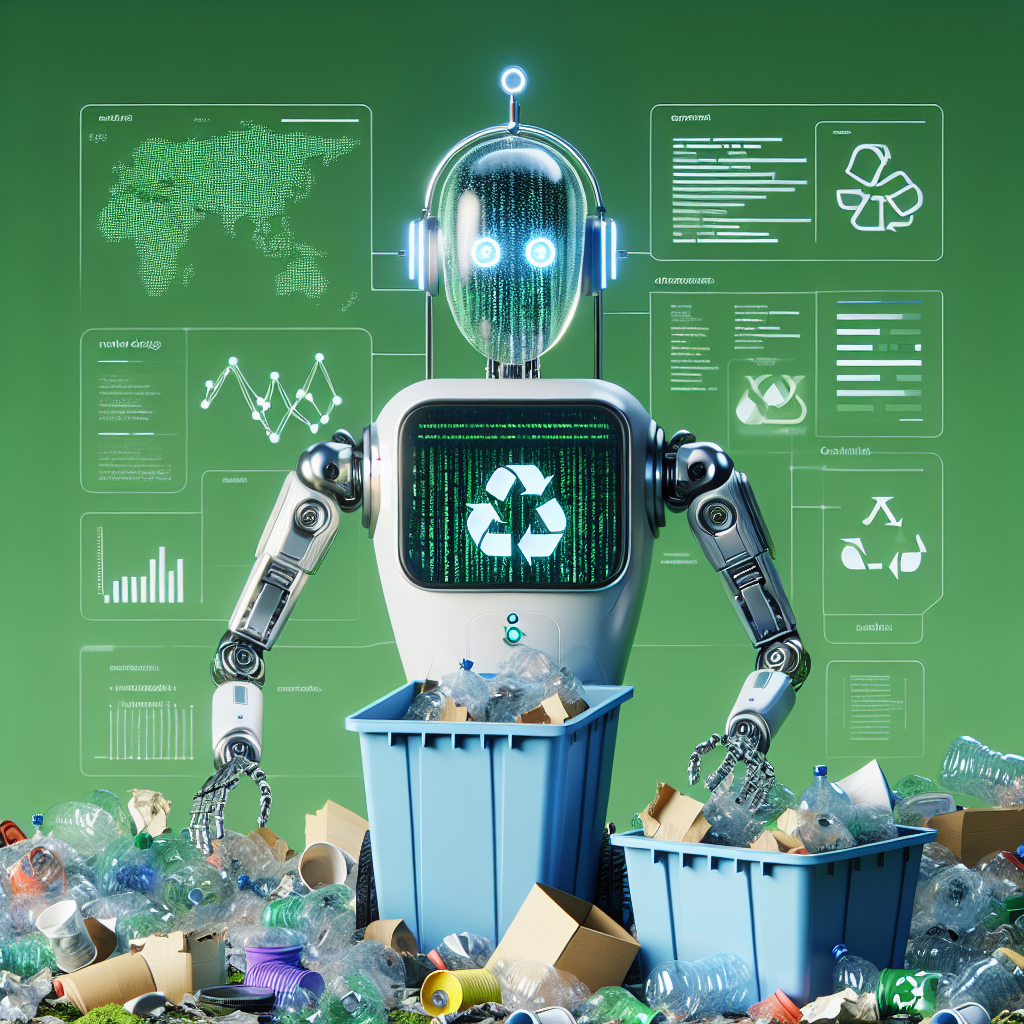
In recent years, advancements in artificial intelligence (AI) have revolutionized various industries, including waste recycling and management. AI technologies have the potential to significantly improve the efficiency and effectiveness of waste recycling processes, leading to a more sustainable and environmentally friendly approach to managing waste.
One of the key areas where AI can make a significant impact is in the sorting and processing of recyclable materials. Traditional waste sorting processes rely on manual labor, which can be slow, inefficient, and error-prone. AI-powered sorting systems, on the other hand, use computer vision and machine learning algorithms to automatically identify and separate different types of materials, such as plastics, metals, and paper. This not only speeds up the sorting process but also ensures a higher level of accuracy and consistency in the separation of recyclable materials.
AI technologies can also be used to optimize waste collection routes and schedules. By analyzing data on waste generation patterns, traffic conditions, and other relevant factors, AI algorithms can help waste management companies to plan more efficient collection routes that minimize fuel consumption, reduce emissions, and lower overall costs. This not only benefits the environment but also improves the overall operational efficiency of waste collection services.
Furthermore, AI can be used to predict and prevent equipment failures in waste processing facilities. By monitoring the performance of machines and equipment in real-time, AI algorithms can detect early signs of potential malfunctions or breakdowns and alert maintenance teams to take preventive action. This proactive approach to maintenance can help to minimize downtime, reduce repair costs, and prolong the lifespan of equipment, ultimately leading to more sustainable waste management practices.
Another area where AI is making a significant impact is in the development of smart waste bins and sensors. Smart waste bins equipped with sensors and AI algorithms can automatically detect when they are full and send alerts to waste collection teams for timely emptying. This not only helps to prevent overflowing bins and littering but also ensures that waste collection services are more efficient and cost-effective.
In addition to improving the efficiency of waste recycling and management processes, AI technologies can also help to increase the overall sustainability of waste management practices. By analyzing data on waste generation, recycling rates, and environmental impact, AI algorithms can provide valuable insights and recommendations for optimizing waste management strategies. This can help waste management companies to set more ambitious recycling targets, reduce the amount of waste sent to landfills, and minimize the overall environmental footprint of their operations.
Overall, the advancements in AI for sustainable waste recycling and management have the potential to transform the way we approach waste management and contribute to a more sustainable and environmentally friendly future. By leveraging the power of AI technologies, waste management companies can improve the efficiency, effectiveness, and sustainability of their operations, leading to a cleaner and healthier environment for future generations.
FAQs:
Q: How does AI help in waste sorting and processing?
A: AI technologies use computer vision and machine learning algorithms to automatically identify and separate different types of materials, such as plastics, metals, and paper, speeding up the sorting process and ensuring a higher level of accuracy and consistency in the separation of recyclable materials.
Q: How can AI optimize waste collection routes and schedules?
A: By analyzing data on waste generation patterns, traffic conditions, and other relevant factors, AI algorithms can help waste management companies to plan more efficient collection routes that minimize fuel consumption, reduce emissions, and lower overall costs.
Q: How does AI help in predicting and preventing equipment failures in waste processing facilities?
A: AI algorithms can monitor the performance of machines and equipment in real-time, detecting early signs of potential malfunctions or breakdowns and alerting maintenance teams to take preventive action, minimizing downtime, reducing repair costs, and prolonging the lifespan of equipment.
Q: How do smart waste bins and sensors equipped with AI algorithms improve waste management practices?
A: Smart waste bins can automatically detect when they are full and send alerts to waste collection teams for timely emptying, preventing overflowing bins, and littering, and ensuring that waste collection services are more efficient and cost-effective.