
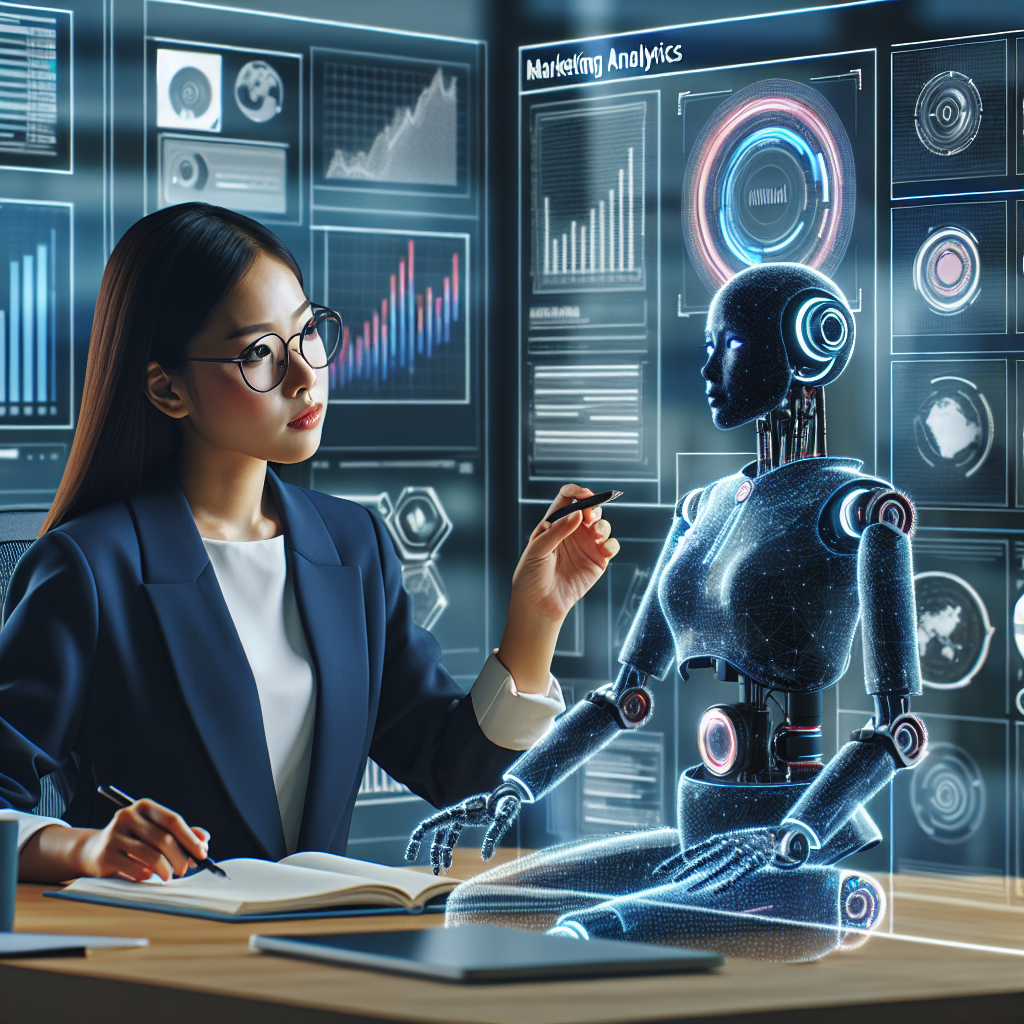
In today’s fast-paced digital world, businesses are constantly looking for ways to stay ahead of the competition and reach their target audience more effectively. One key strategy that has emerged in recent years is the integration of artificial intelligence (AI) in marketing. By harnessing the power of AI, businesses can gain valuable insights, automate processes, and deliver personalized experiences to their customers. In this article, we will explore how AI integration in marketing can be the key to success for businesses of all sizes.
What is AI Integration in Marketing?
AI integration in marketing refers to the use of artificial intelligence technologies to enhance various aspects of a company’s marketing efforts. This can include using AI-powered tools to analyze customer data, create personalized marketing campaigns, automate tasks, and optimize advertising strategies. By leveraging AI, businesses can gain a deeper understanding of their target audience, improve the efficiency of their marketing efforts, and ultimately drive better results.
AI technologies such as machine learning, natural language processing, and predictive analytics are increasingly being used in marketing to streamline processes and deliver more personalized experiences to customers. For example, AI-powered chatbots can be used to engage with customers in real-time, answer their questions, and provide personalized recommendations. Similarly, AI algorithms can analyze customer data to identify trends, predict future behavior, and optimize marketing campaigns for better performance.
Benefits of AI Integration in Marketing
There are several key benefits to integrating AI into marketing strategies:
1. Improved Customer Insights: AI technologies can analyze vast amounts of customer data to gain valuable insights into customer behavior, preferences, and trends. By understanding their customers better, businesses can create more targeted and personalized marketing campaigns that resonate with their audience.
2. Increased Efficiency: AI-powered tools can automate repetitive tasks, such as data analysis, campaign optimization, and customer segmentation. This allows marketing teams to focus on more strategic initiatives and drive better results with less effort.
3. Personalized Experiences: AI can help businesses deliver personalized experiences to their customers by analyzing their behavior, preferences, and interactions. By tailoring marketing messages and offers to individual customers, businesses can increase engagement and drive loyalty.
4. Enhanced Decision-Making: AI algorithms can analyze data in real-time to provide valuable insights and recommendations for marketing strategies. By leveraging AI-powered tools, businesses can make more informed decisions and optimize their marketing efforts for better results.
5. Competitive Advantage: Businesses that integrate AI into their marketing strategies gain a competitive edge by staying ahead of the curve and delivering more relevant and personalized experiences to their customers. By leveraging AI, businesses can differentiate themselves from competitors and drive better business outcomes.
Examples of AI Integration in Marketing
There are several ways that businesses can integrate AI into their marketing strategies to drive better results:
1. Personalized Recommendations: E-commerce companies can use AI algorithms to analyze customer data and provide personalized product recommendations based on past behavior and preferences. This can help businesses increase sales and drive customer loyalty.
2. Predictive Analytics: AI-powered tools can analyze historical data to predict future trends and behaviors, allowing businesses to optimize their marketing campaigns for better performance. For example, AI algorithms can predict which customers are most likely to churn and proactively engage with them to prevent attrition.
3. Chatbots: AI-powered chatbots can be used to engage with customers in real-time, answer their questions, and provide personalized recommendations. This can help businesses improve customer service, drive engagement, and increase sales.
4. Content Optimization: AI technologies can analyze content performance data to identify trends, optimize content for search engines, and improve engagement with target audiences. By leveraging AI, businesses can create more relevant and compelling content that resonates with their customers.
FAQs
Q: How can AI help businesses improve their marketing efforts?
A: AI can help businesses improve their marketing efforts by analyzing customer data, creating personalized experiences, automating tasks, and optimizing campaigns for better results. By leveraging AI technologies, businesses can gain valuable insights into their customers, deliver more targeted messages, and drive better business outcomes.
Q: What are some common AI-powered tools used in marketing?
A: Some common AI-powered tools used in marketing include predictive analytics platforms, chatbots, recommendation engines, and content optimization tools. These tools can help businesses automate tasks, analyze data, and deliver personalized experiences to their customers.
Q: Is AI integration in marketing only for large businesses?
A: No, AI integration in marketing is not limited to large businesses. Businesses of all sizes can benefit from leveraging AI technologies to enhance their marketing efforts. Many AI-powered tools are scalable and affordable, making them accessible to businesses of all sizes.
Q: How can businesses get started with AI integration in marketing?
A: Businesses can get started with AI integration in marketing by identifying their goals and objectives, assessing their data and technology infrastructure, and exploring AI-powered tools and platforms that align with their needs. It’s important to start small and gradually scale up as businesses gain experience and see results.
In conclusion, AI integration in marketing is becoming increasingly important for businesses looking to stay competitive in today’s digital landscape. By leveraging AI-powered tools and technologies, businesses can gain valuable insights, automate processes, and deliver personalized experiences to their customers. With the right strategy and tools in place, businesses of all sizes can harness the power of AI to drive better results and achieve success in their marketing efforts.